(Editor’s note: This is Pt. 1 of a two-part post about the evolution of Croatia. You can jump to Pt. 2 here.)
I recently wrote about the 10 ways Croatia changed me in 10 years, But, a more important topic is just how Croatia has changed in 10 years. The alterations this country has gone through since European Union accession in summer, 2013 (alright, that’s 12, but who’s counting?) are both jarring and impressive.
When I first arrived in Croatia in May 2014, there weren’t many foreigners living here. Sure, there were a handful in major cities, but that was all. Croats would look at Western Europeans like they’d just landed from Mars when they’d relocate here. “Why would anyone want to move to Croatia?!” they’d ask, aghast.
Now, that question is asked less and less.
Here’s how Croatia has changed in the past 10 years.
Transformation from ‘just a tourist destination’ to tech hub
Croatia has been the EU’s tourism star for a long time. As part of the former Yugoslavia, it also easily attracted crowds of sun-deprived foreigners who would top up on their vitamin D before running home to gush about how beautiful and cheap “Yugoslaaahhvia” is. Yugoslavia has been dead in the water for more than 30 years now, and Croatia came into its own as a gem on the tourism map of Europe not long after the war drew to a close.
But it could be – and has become – so much more than that.
Gorgeous mountains, breathtaking views, azure water … it’s all true and it’s all incredible. More incredible yet is how Croatia has managed to fight for its right to be on the tech map of Europe. Startups in Croatia have bloomed over the last decade, with innovation sprouting from the most unlikely locations. Novska, an obscure town in a part of the country nobody ever visited until recently is one such saga, as is Gideon from eastern Croatia, a region tainted by war and demographic issues.
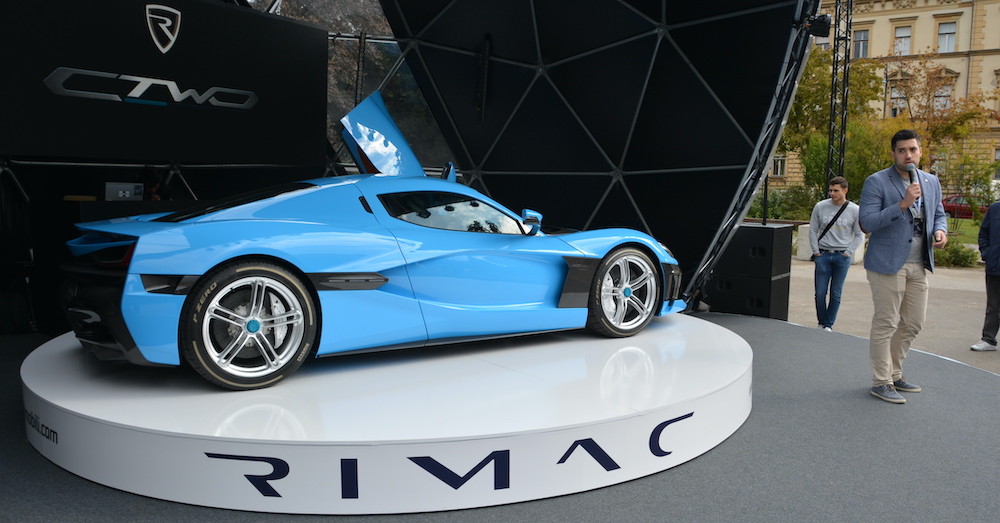
Then we of course have the legendary Mate Rimac who placed Croatia, a nation with zero automotive industry (let’s disregard the dreaded Yugo), on the car map of the world. In a deal with Porsche, Rimac has expanded from an electric car pioneer to controlling the world’s most exotic supercar brand, Bugatti. The global headquarters for Bugatti Rimac is Sveta Nedelja near Zagreb.
We can’t ignore Damir Sabol, either. He’s the Croat who sold his remarkable Photomath to Google, no less. I could say (much) more, but you get the picture. Croatia is no longer just sunshine and sea. It’s tech, robotics and hypercars.
More foreigners from wealthy countries are moving here
I don’t want to oversell this, as Croatia is still grappling with demographic issues including an imbalance in working age adults and retirees plus high internal emigration from disadvantaged areas. But, there are more and more foreign nationals living in Croatia, who originate from rich nations. Western Europeans, Americans, Australians, Canadians … you name it, you’ll find them here, now.
Ten years ago? You’d find a few here and there, but you’d have a task on your hands.
Croatia is one of the safest countries in the world with a climate to die for. For many people, that’s more than enough of a reason to relocate. Given that Croatia has an enormous diaspora, there are a lot of ethnic Croats moving back to the homeland of their parents and grandparents to make a go of it, as well. Croats also speak an enviably high level of English, meaning there’s little to no language barrier for foreign residents.

Wages are on the up
Much like many other southeastern European countries, and Mediterranean countries in general, wages were always lower than farther west. That has altered significantly over the past several years. Croatian average wages are now far closer to the EU average than they’ve ever been, and they’re only growing.
The same is true for pensions. Not only is this incentivising Croats toying with moving to another EU country to stay, it’s also attracting talented employees from other countries keen to get a taste of the Croatian lifestyle.
The bureaucracy is slightly better
Croatian bureaucracy is infamous. I think Croatia has a masochistic love of red tape. It’s reminiscent of a former regime that I won’t name here where it was all but impossible to lose your job. Once upon a time, it didn’t matter how poorly you performed at it, you were employed for life and absolutely protected if you were someone’s cousin’s sister’s friend.
There are still echoes of this today, but it’s a far cry from how it was a decade ago.
Digitalisation has forced certain aspects of it into the 21st century, and the increase in foreign presence required making some changes. Things aren’t perfect, and no expat setting up anything administrative will manage to get by without experiencing just why it’s so infamously poora. But is it improving?
Definitely.
Croatia is not only an EU country, but a fully fledged Schengen and Eurozone one
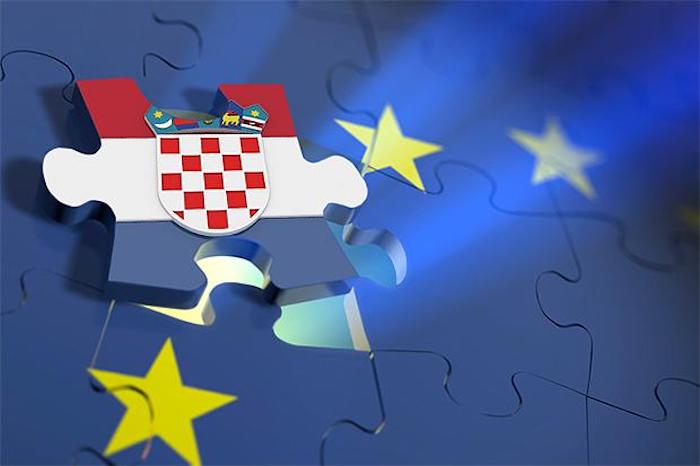
Perhaps the biggest change has been Croatia’s transition from a country synonymous with the collapse of Yugoslavia, war and then (rather paradoxically) sunshine and sea, to an EU, Schengen and Eurozone country.
It entered the EU in July 2013, and is the only country in history to have joined both Schengen and the Eurozone on the exact same date – 1 January 2023.
It was on that date that border controls were dropped and the former currency, the kuna, was sent to the history books. It was bittersweet to see another sovereign currency scrapped, but it was a tremendously positive sign of Croatia’s incredible progress.
The next step? Joining the OECD.
–––––––––––
Read more about Croatia here in Dispatches’ archives.

Lauren Simmonds
Lauren Simmonds is the editor of Total Croatia News, the largest English language portal in Croatia. She lives in Zagreb, Croatia, and is a translator, content writer, interpreter and the co-author of "Croatia - A Survival Kit for Foreigners," which was published in 2022.