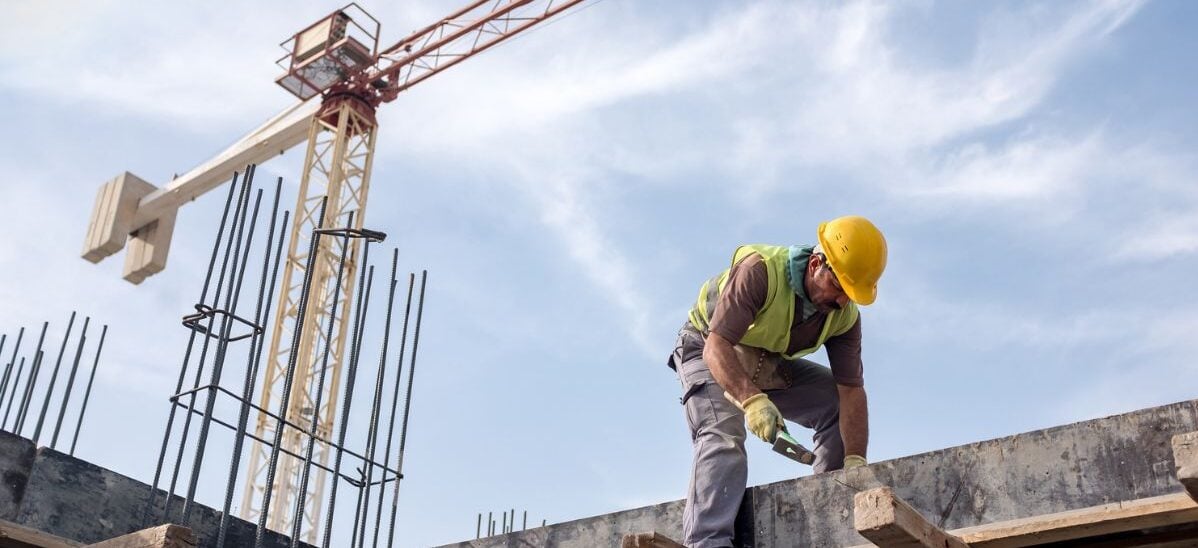
If you were to turn the clock back by about six years, you’d rarely see anyone who wasn’t white in Croatia, unless they were a tourist. Now, taxis are generally driven by foreign workers, typically from Asian countries. Indian accents echo from construction sites and delivery platforms rarely have Croats whizzing around the streets on bikes anymore.
Things are changing – and markedly so, with new laws relating to the increasing number of foreign workers.
The mass importation of foreign labour from third (non-EEA) countries became commonplace before the law could catch up, leading to abuses and payment evasion on the part of not only shady agencies but local employers keen to avoid Croatia’s often burdensome contribution demands.
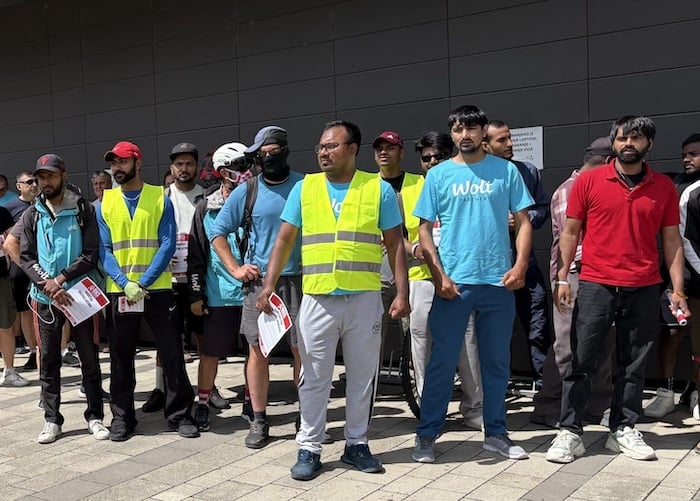
Exploitation runs rife in unchartered legal territory
Journalists exposed dire situations in which foreign workers had been crowded into tiny apartments, living in unacceptable conditions and sometimes even with their passports having been removed. Dodgy landlords and employers would always use the excuse of needing to take them to ensure their work permits and residence paperwork was in order, but the reality behind such statements was always in question. As such, foreign workers were being subjected to a grey area (something Croatia does so well) in which they were being taken advantage of, and there was no real recourse available to them.
In addition, the Interior Ministry (MUP) would process applications submitted for work permits by genuine employers at a pace so slow grass could grow on it. This put employers desperate for staff within Croatia’s increasingly unreliable labour market in a tricky position as they were unable to employ anyone from outside the European Union without all the papers signed and stamped beforehand without being harshly punished. This ridiculous situation often resulted in the prospective foreign employee getting bored and heading elsewhere.
The cost? Time, money, and nerves.
Croatia’s laws finally catch up (kind of, anyway)
This influx of foreign nationals saw numerous shake ups in the Law on Foreigners, which, outside of the digital nomad permit, had otherwise sat collecting dust for years following EU accession in 2013. Nine amendments, pushed through without a great deal of thought in an attempt to get the situation under control, rendered the situation even more confusing, and now an overhaul is taking place. I wrote not long ago about the new language requirement for third country nationals, and things are now being taken a step further. As of now, much more than the ability to say dobar dan and burek sa sirom will be required, from both employees and employers.
Medical records and vaccinations
In order for a Croatian employer to get their hands on a work permit for a foreign worker, that worker will need to provide not only their medical record demonstrating a clean bill of health but proof of their up -to-date vaccinations. If they haven’t been vaccinated according to the rules set out by the Croatian public health system, then the application will not be processed any further until all those vaccinations have been administered.
Employers can no longer abuse grey areas
Horror stories about tiny apartments barely suitable to live in, overcrowding and more did the rounds for some time. Images of entire groups of men from Nepal trying to squeeze into a space barely fit for three people were splashed all over the newspapers, and the State Inspectorate began taking a keen interest in the agencies importing these people, as well as the local employers so keen on snapping them up. What was revealed (and what resulted in more than 10,000 legal violations and over 1 million euros in fines), led to changes that would give employers much more to worry about than before.
Now, before employing such a worker, Croatian employers must present proof not only of a salary being paid via a legally binding employment contract, but proof that the worker’s accommodation is up to scratch via a lease agreement. Fourteen square metres at the bare minimum must be allocated per individual living in a given property, with numerous other
requirements.
From needing proof of ventilation to a functioning stove and fridge and a separate toilet, employers will no longer be able to cheat the system without facing severe consequences. On top of all that, no more than 30 percent of the wage paid to the worker can go on rent, ensuring more room for fair living conditions.
Croatia is catching up with its own reality. Croatia’s domestic labour market is increasingly shaky. It is a highly seasonal country when it comes to employment, and the need for foreign labour – particularly during the tourist season – is becoming more and more necessary.
It remains to be seen whether or not Croatia will be able to actually adapt its laws to rapid changes going forward.
––––––––––
See more about Croatia here in Dispatches’ archives.
Read more from Lauren here.

Lauren Simmonds
Lauren Simmonds is the editor of Total Croatia News, the largest English language portal in Croatia. She lives in Zagreb, Croatia, and is a translator, content writer, interpreter and the co-author of "Croatia - A Survival Kit for Foreigners," which was published in 2022.