
Moved abroad alone in your 30s? Here is how I built a social life in Lisbon from scratch, with tips on apps, classes and showing up. Moving abroad in your 30s is a different experience than moving at 22. You are not surrounded by classmates or housemates, and your friendships back home were built over years. Starting over can feel daunting, especially when you work for yourself.
But it is absolutely possible, and my social life in Lisbon is now full. (When I moved to Lisbon, I came with just a suitcase, a laptop and my dog).
Here is what worked for me, and what I would suggest to anyone making the same leap.
Start with the people you already sort of know
My first two friends in Lisbon came from the internet. One was another writer I connected with on Substack, who happened to live here and told me to come out. The other was a woman I knew through LinkedIn, who was also my business coach. She was the one who urged me to move to Lisbon in the first place.
Before you go, mention your plans to everyone: online communities, former colleagues, newsletter writers you admire. You will be surprised how many people say, “I know someone there.”
Warm introductions are far easier than cold approaches.

Let one friend multiply into many
My coach used Bumble Friends and introduced me to several women in the city. That one connection opened a whole circle. When a new friend offers an introduction, say yes every time. If you can, host something small yourself, like a dinner or a beach afternoon, and invite everyone to meet each other. We started by coming together every Thursday for dinner and that snowballed into pottery classes, wine tastings and themed house parties.
Use the apps, but treat them as a starting point
Apps are useful because they take away the awkwardness of approaching strangers. These are the ones I recommend trying:
- Bumble Friends: Good for meeting other people who are actively looking for friends.
- Meetup: Lots of language exchanges, hikes, book clubs and professional events.
- Timeleft: Matches you with strangers for a dinner, which is great if you want a low-pressure way to meet several people at once.
- Facebook groups: Search for expat, women-in-business and dog owner groups in your city.
Reminder: apps get you to the first meeting, but they do not make the friendship. The real work happens when you follow up.
Say yes to events, even the awkward ones
Go to networking events. Go to dating events, because they are full of people who are open to meeting new faces. Go to bars and strike up conversations. Take fitness classes.
The point is volume and repetition.
Not every event will lead to a friend, but each one raises the odds. And you never know where you’ll meet someone.
Pick one recurring thing and show up every week
This is the single most useful piece of advice I can give.
A one-off event rarely turns into a friendship, but a weekly class, run club, or standing coffee spot does.
People start to recognize you. Recognition becomes conversation, and conversation becomes plans.
I also recommend following several social accounts in the city you live in — for instance in Lisbon, I follow a wine bar that I frequent where they host live jazz nights every Wednesday and a coffee shop that hosts writers hour every Tuesday. The more accounts you follow, the more in the know you’ll be about events happening in your city.
Lean into your dog
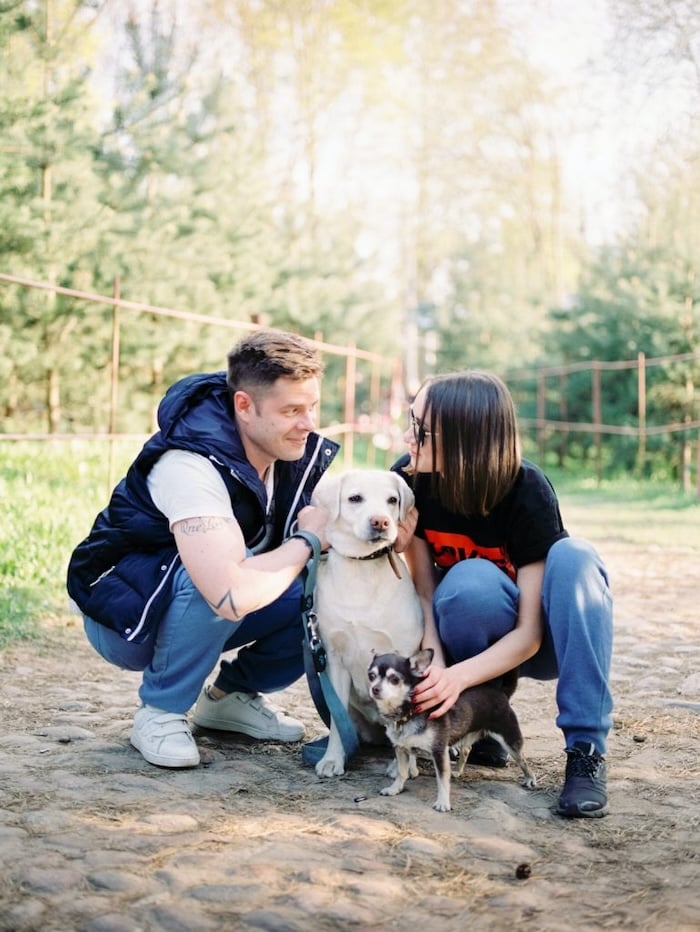
If you have a dog, you are halfway there. Dogs are instant icebreakers, and they get you out of the house at the same times every day, which means you run into the same neighbors again and again. Find your local dog park, join dog owner groups and look for dog-friendly cafes. Your vet, groomer and dog sitter also tend to know half the neighborhood.
Try classes, languages and shared activities
Language classes put you in a room with other newcomers who are also hoping to make friends, and they earn goodwill with locals. Beyond that, anything that gives you something to do together makes conversation easier: surfing, padel, hiking, cooking classes, pottery, dance, or volunteering at a beach cleanup or animal shelter. People bond over an activity far more easily than over small talk alone.
Work where other people work
If you freelance, a coworking space can do a lot of the social work for you. You get regular faces, community events and colleagues who understand your situation. Many cities also have Slack, WhatsApp, or Discord groups for freelancers and expats, and the real invitations often happen there rather than on public pages.
Be the one who makes the plan
Most people are waiting for someone else to organize. When you meet someone you like, suggest something specific within a week: “Coffee on Saturday?” works far better than “We should hang out sometime.” It can feel vulnerable, but the person on the other end is usually relieved.
Build both expat and local circles
Expat friends are easier to make because they are in the same situation and want the same things. Local friends root you in the place and tend to last longer, since expats often move on. Aim for a mix. Learning even basic phrases of the language helps with the second group more than almost anything else.
Give it time, and be honest about the lonely stretch
I will not pretend it was instant.
The first stretch can be lonely, and that is normal. Building a real circle takes months, not weeks.
The people who end up with the best social lives abroad are usually not the most outgoing. They are the ones who keep showing up.
The bottom line
You do not need a huge network. You need a few warm connections, one or two recurring places to be and the willingness to invite people first. Say yes, follow up and give it time. A year from now, you may be the one introducing someone else to the city!
––––––––––––
Read more about Lisbon here in Dispatches’ archives.
See more from Taylor here.

Taylor Haught
Taylor Haught is a Lisbon-based travel writer and editor specializing in European destinations. She also coaches aspiring travel writers and women ready to trade their zip codes for European addresses."Taylor is a Lisbon-based travel writer and editor specializing in European destinations. She also coaches aspiring travel writers and women ready to trade their zip codes for European addresses.