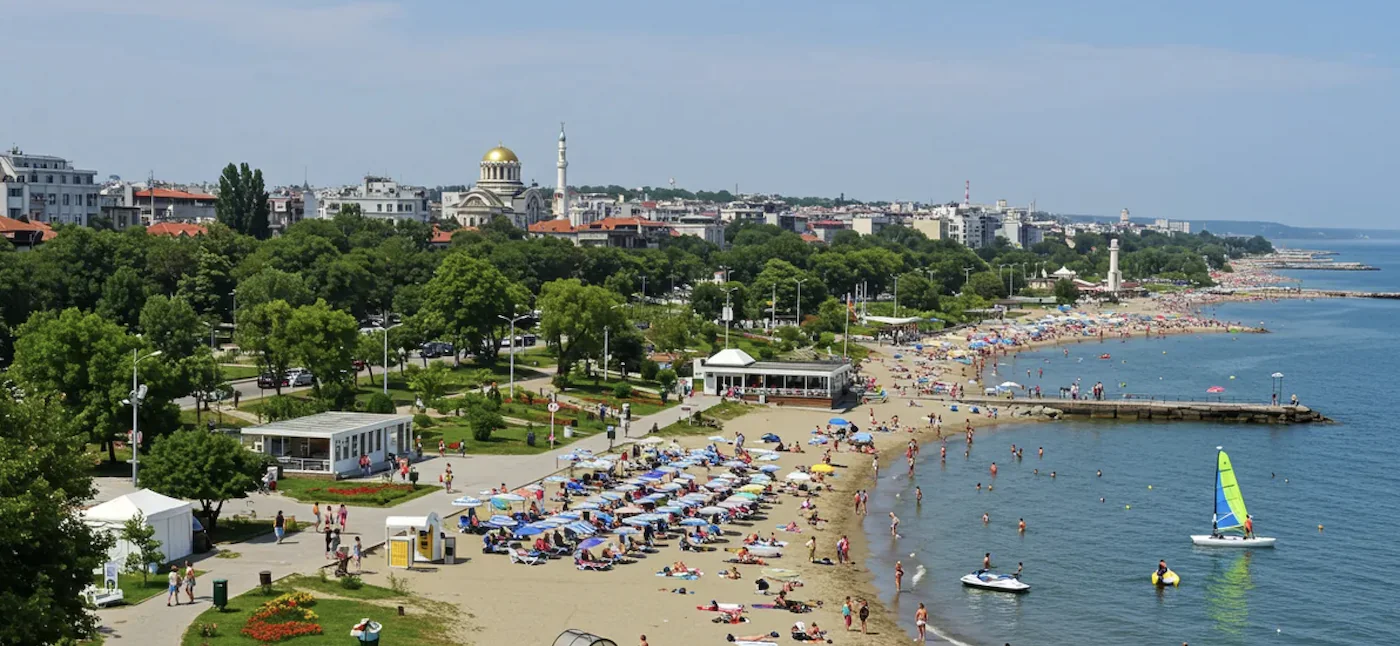
A growing international population, lower housing costs and a year-round Black Sea lifestyle are putting Bulgaria’s maritime capital on the radar of Americans considering a move to Europe. For Americans considering a move abroad, the European map has traditionally been dominated by a familiar list of destinations: Portugal, Spain, Italy, France and, increasingly, Greece. But as housing costs rise across much of Western Europe, another part of the continent is attracting attention.
On Bulgaria’s Black Sea coast, Varna offers something increasingly difficult to find elsewhere: a high functioning European city with beaches, an international airport, universities, hospitals, restaurants and a substantial service economy, combined with housing costs that remain below those of many major American and Western European cities.
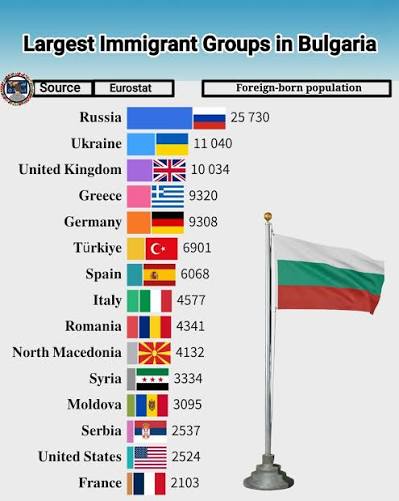
Varna is not an American expatriate enclave. Nor does Bulgaria publish a current official statistic identifying exactly how many United States citizens live in the city. But Americans are part of Varna’s growing international community, alongside British, Russian, Ukrainian and other European residents. The available data points to a relatively small but established American presence, with Americans appearing particularly among retirees, remote workers, educators, entrepreneurs and people with Bulgarian family or business connections.
That makes Varna an interesting case study in a broader question: what happens when Americans begin looking beyond the traditional European destinations?
How many Americans are in Varna?
There is an important distinction between what is documented officialy and what is observable through expat communities. Bulgaria’s National Statistical Institute does not publish a continuously updated public table showing the exact number of U.S. citizens living in Varna in 2026, nor does it publish a neighborhood-by-neighborhood nationality map. The latest city-level statistical series cited in the available research recorded approximately 1,338 European Union citizens and 9,713 non-EU citizens in Varna in 2022, meaning that the city had more than 11,000 foreign citizens in that statistical category.
Americans are only one part of this international population, and the available data do not justify presenting a precise figure for the number of U.S. citizens. Expatriate communities, however, provide evidence that Americans have been living in Varna for years. An Expat.com discussion dating back more than a decade includes U.S. citizens living in the Varna area, while more recent discussions include American couples considering Varna for retirement and coastal living.
This suggests a community that is visible but relatively small rather than a large concentration of Americans. That distinction matters. An American moving to Varna is unlikely to find an American neighborhood comparable to an expatriate district in parts of Portugal, Mexico or Spain. Instead, Americans tend to live among Bulgarians and other international residents.
For many people, that is part of the attraction.
Who are the Americans living in Varna?
There is no official occupational census of American residents in Varna, so the following groups should be understood as identifiable patterns rather than a statistical breakdown of the entire American population.
• Retirees and semi-retirees Retirement is one of the clearest reasons Americans investigate Varna. A number of expatriate discussions feature Americans considering the city because they want a coastal lifestyle while keeping housing and everyday expenses below the levels found in major U.S. metropolitan areas. One recent discussion on Expat.com, for example, involved a U.S. citizen approaching retirement who was considering Varna with Social Security income and online English teaching as part of his income.
For retirees, the attraction is straightforward: the Black Sea, a large urban infrastructure, restaurants, public transportation, healthcare facilities and a comparatively inexpensive housing market.
• Remote workers Remote employment changes the relocation equation. Someone earning a U.S. salary while living in Bulgaria is operating in a very different economic environment from someone dependent on a Bulgarian salary. The available June 2026 city estimates in the source material place a one-bedroom apartment in central Varna at approximately 518 euros per month, compared with about 704 euros in Sofia. A city–center apartment purchase was estimated at approximately 2,792 euros per square meter in Varna. That makes the city particularly relevant to Americans working online for international companies, consulting businesses, freelancing or operating their own businesses.
• Teachers and education professionals Education is another connection between Americans and Varna. The American School of Bulgaria has operated in Varna since 2015 and provides English-language education from elementary through high school. The school has teachers fro various countries and uses qualifications based on U.S. standards. Its high-school center is in the Greek Quarter, while its Foundation School is in the Sea Garden. That creates an educational environment that can be relevant to internationally mobile families as well as educators.
• Entrepreneurs and international professionals Varna’s economy is broader than tourism. Shipping, maritime services, education, healthcare, tourism, retail, technology and professional services all contribute to the city’s year-round economy. An American entrepreneur could therefore use Varna as a residential base while conducting business internationally.
• Americans with Bulgarian family connections Another group consists of Americans with Bulgarian spouses, relatives or other connections to the country. These residents may have a different relationship with Bulgaria from someone arriving purely for its cost of living. Family ties can influence the choice of city, neighborhood, schools and long-term residence plans.
• Where Do Americans Live in Varna? There is no official database showing where American citizens live by neighborhood. What can be documented is that several districts are repeatedly identified by international residents and relocation guides as attractive places for foreigners. Those areas include Briz, Chayka, Vinitsa, Trakata, Galata, Asparuhovo and central Varna.
Briz
Neighborhoods
It would be misleading to say, “Americans live in one particular district.” The American population is dispersed. But different neighborhoods appeal to different lifestyles.
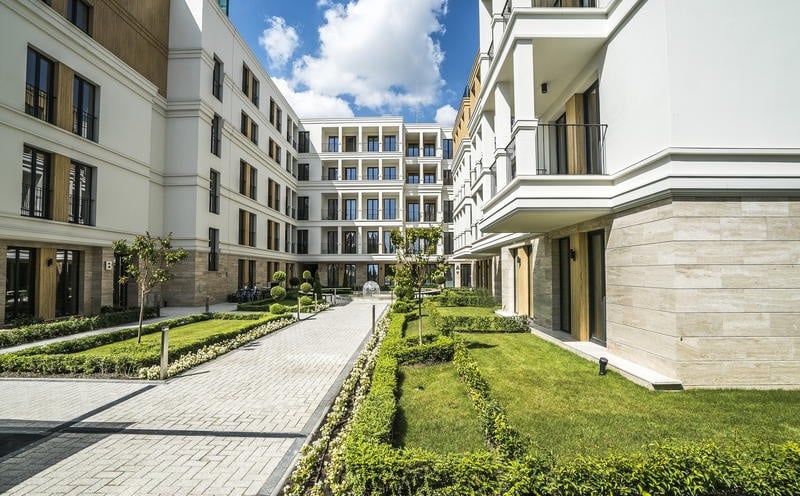
• Briz: modern apartments and sea views Briz is particularly attractive to residents looking for newer construction, sea views and proximity to the Sea Garden and northern beaches. For an American accustomed to condominium living, Briz can be an easy introduction to Varna.
• Chayka: city and beach Chayka is next to the Sea Garden and university area. It combines a traditional residential environment with quick access to the beach and central Varna. For residents who do not want to live in a suburban house but still want to be close to the sea, Chayka is one of the more practical choices.
• Vinitsa: houses and quieter living Vinitsa is popular with residents who want more space, gardens and a quieter atmosphere. It is particularly relevant for families and retirees who do not need to be within walking distance of the center.
• Trakata: larger properties Trakata, on the northern side of Varna, attracts people looking for larger houses and gardens. It is more suburban and can suit residents who prioritize privacy and space over urban walkability.
• Galata: quieter coastal living Galata is located south of the city and offers sea views and a quieter atmosphere. Expatriate discussions have specifically mentioned Galata as an attractive location for people seeking peace and a connection with the coast.
• Asparuhovo: beach and value Asparuhovo offers another southern alternative, with a beach, restaurants and transport connections to the rest of Varna. It can provide a different price profile from some of the more expensive northern coastal districts.
• Central Varna and the Greek Quarter For Americans who value walkability, restaurants, cultural attractions and urban life, the center and Greek Quarter are logical choices. The Greek Quarter also has an international educational connection: the American School of Bulgaria’s high-school center is located there.
We’ll have more on cost comparisons between Bulgaria and the U.S. in an upcoming post.
Kalina Varbanova freelance journalist based in Varna, Bulgaria. Kalina’s interests include culture, tourism, archeology and politics. She's been a Dispatches contributor since 2017, and has written some of our best-read posts.
Receive the latest news and updates from Dispatches Europe. Get lifestyle & culture, startup & tech, jobs and travel news dispatched to your inbox each week.