Few cultural traditions capture the spirit of Swedish life as clearly as fika. Often translated simply as a “coffee break,” fika is more of a concept than that.
It’s a daily ritual, a social institution, and in many ways, a philosophy of balance.
What Is fika?
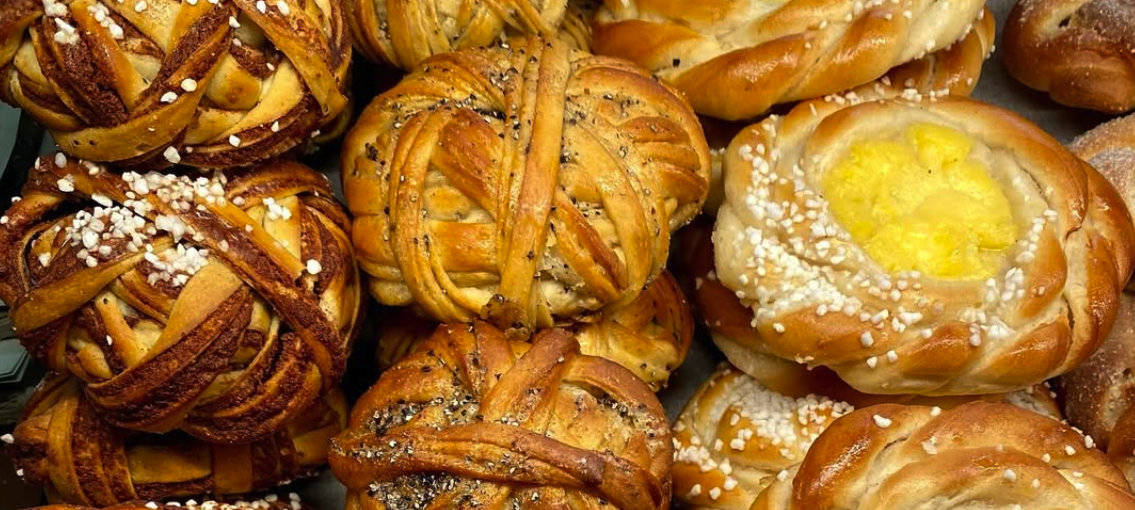
Fika is centered around coffee or tea paired with something sweet, most commonly cinnamon or cardamom buns, or literally called “fikabröd” (fika bread). But the essence is the break, itself; taking time out of the day to relax and connect with others.
Fika happens everywhere – at home, in a café or at the workplace – but what makes it distinct is the emphasis on togetherness and conversation. Unlike the hurried coffee culture in the US, fika is slow and intentional.
Fika in the workplace
In Sweden, this break is not really a personal choice but a structured part of the workday. Many workplaces schedule fika twice a day; in the morning and the afternoon. Employees gather in break rooms to share coffee and talk, setting work tasks aside for the moment.
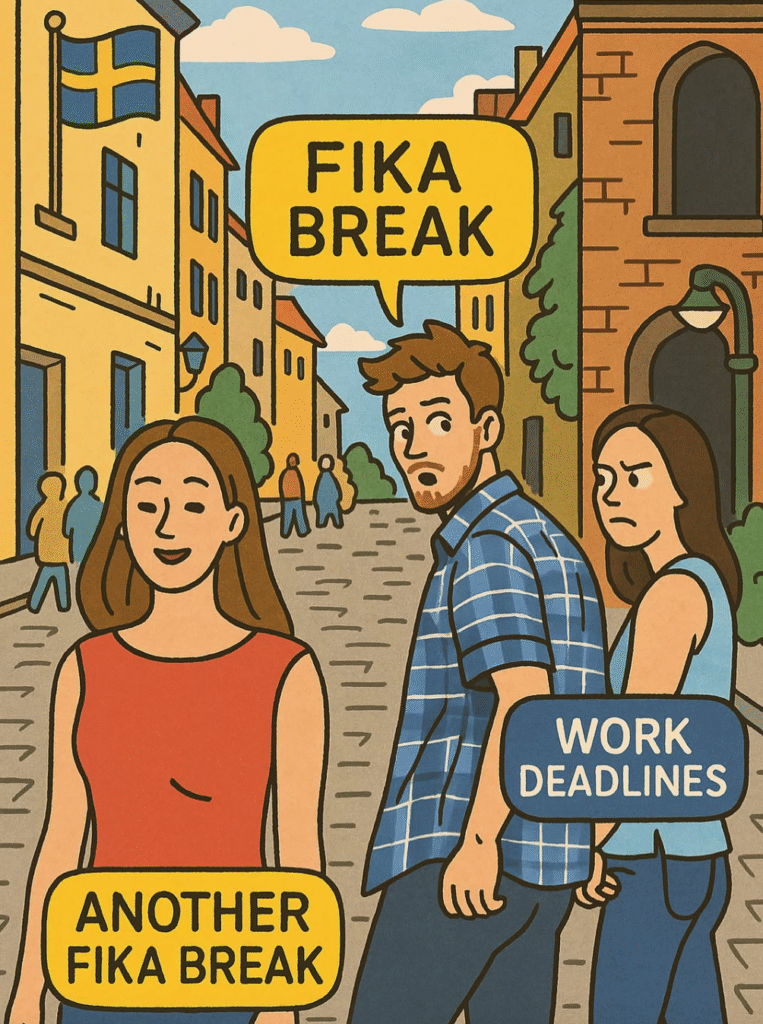
This ritual serves both practical and cultural purposes. It strengthens team cohesion, flattens hierarchies, and creates informal space for ideas to be exchanged. Some managers even view it as more valuable for innovation than formal meetings.
Skipping fika can be seen as unusual, as the custom is considered integral to workplace culture. For newcomers, participating in fika is one of the most effective ways to integrate into Swedish professional life.
A social tradition
Outside of work, fika is a cornerstone of social interaction. Friends meet for fika in cafés, families gather around the kitchen table and even business contacts often begin discussions over coffee rather than in boardrooms.
The casual nature of fika makes it accessible to all ages and social groups. It’s less formal than a dinner, but more meaningful than a quick greeting. In many cases, an invitation to fika is an invitation to connection and community.
Seasonal and cultural variations
Fika adapts to the seasons and the Swedish calendar. In winter, it means warm drinks and pastries enjoyed indoors by candlelight. In summer, it moves outside to gardens, patios, or summer cottages.
There are specific days dedicated to fika traditions. Kanelbullens dag (Cinnamon Bun Day) on 4 October is probably the most famous, when bakeries across Sweden showcase their cinnamon buns. During December, saffron buns (my favourite, so delicious!) called lussekatter are central to Advent and Lucia celebrations. These seasonal touches reinforce fika’s role as a cultural marker throughout the year.
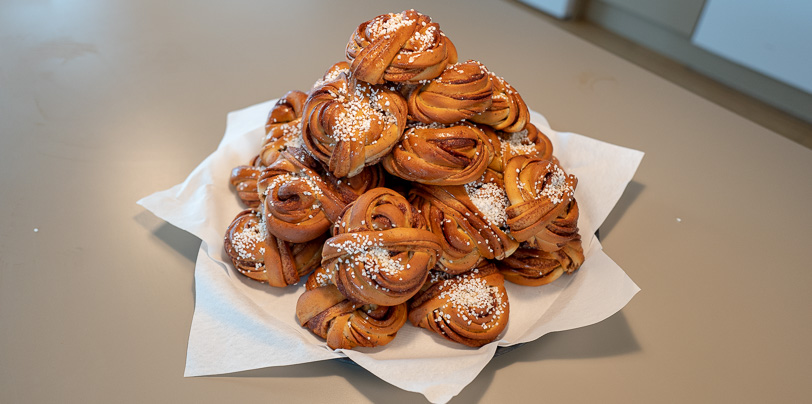
Fika treats (Wikimedia Commons)
Why fika matters
Fika illustrates several key aspects of Swedish society:
- Work-life balance: Built-in breaks reflect Sweden’s broader emphasis on wellbeing and sustainable productivity.
- Equality: It creates space where everyone, regardless of role or status, participates equally.
- Community: The practice prioritises connection over efficiency, reinforcing social bonds in both private and professional settings.
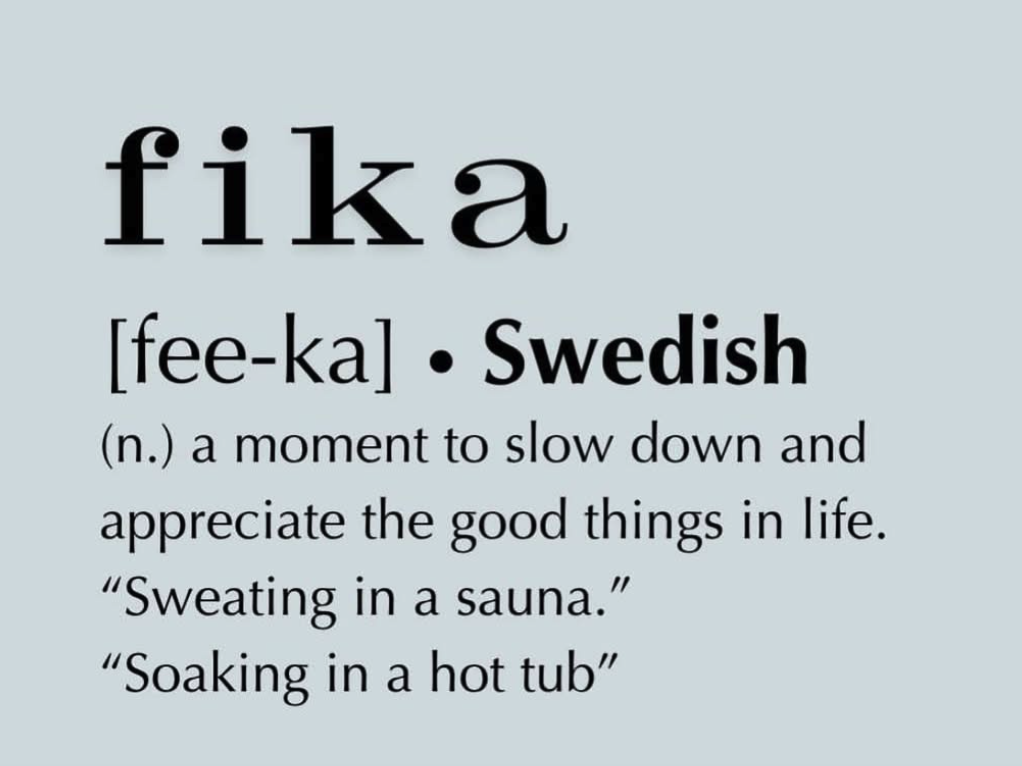
(Instagram)
For expats, understanding fika is essential to understanding Sweden itself. It is not simply about having coffee, but about valuing time, relationships and the small rituals that give daily life structure and meaning.
One of Sweden’s most enduring cultural practices, fika is a symbol of balance, hospitality, and connection. Whether in the office, a café, or a countryside summer house, it is a reminder that even in a modern, fast-paced society, there is always time to stop, share, and enjoy life together.
–––––––––––
Read more about Sweden here in Dispatches’ archives.

Jess Bretin
Jess Bretin is a communications and content specialist, and an American living in Gothenburg, Sweden. While in the states, she spent 2 years on the road living in a van and visited every state. She then married a Frenchman, so she has spent alot of time in France. Jess is also a singer/songwriter in a rock band and loves to cook and stand-up paddle board.
See her posts here:
• Walk like a Swede, talk like a Swede: How to make friends in Sweden
• Chistmas in Sweden: Tradition, light and togetherness
• The cost of living in Sweden 2025: What's actually going on.