On paper, Malta is tiny. I can drive from one end of the island to the other in under an hour, albeit on a very, very clear run. In reality, choosing the wrong postcode has left friends of mine sitting in traffic, wondering how they’ve managed to travel three kilometres in 45 minutes. Equally, the wrong postcode can cost several hundred euros more each month in rent than someone living ten minutes away.
After more than a decade in Malta, there’s one mistake I’ve seen people make time and again: assuming they have to live in Sliema or St Julian’s.
I thought exactly the same when I arrived. They’re popular for obvious reasons but they’re also among the most expensive places to rent. Spend a little time on the island and you’ll soon realise there are plenty of other options. Choosing where to live in Malta is a deceptively important decision because living ten minutes down the road can completely change your experience of Malta.
I’m here to show you what I’ve learnt about the island’s neighbourhoods:
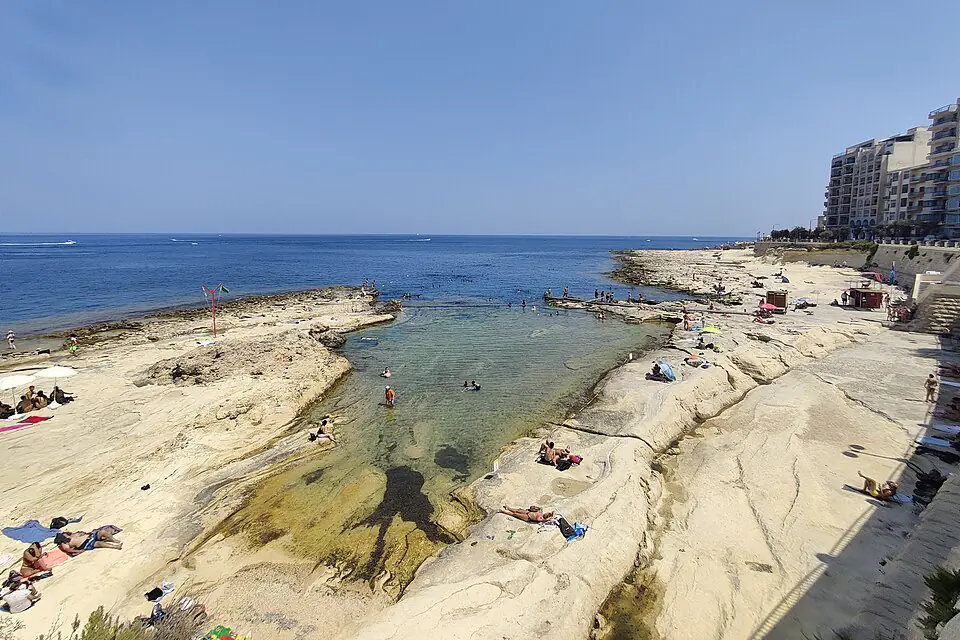
Image source: Wikimedia Commons
Sliema
If Malta had an arrivals lounge, it would probably be Sliema. It’s where I landed during my first year here too. I could walk almost everywhere, catch the ferry to Valletta and hear almost as much English as Maltese, which made settling in easy. The promenade is always busy, decent coffee is never far away and if you’re moving here on your own, I’d still say it’s one of the easiest places to meet people. The downside is that everyone else has had the same idea. Rents are among the highest on the island, parking feels like a competitive sport and there’s almost always a pavement being dug up or a colossal building site popping up nearby.
St Julian’s
I think of St Julian’s as Sliema’s much louder sibling. Much of Malta’s iGaming industry is based here. So if you’ve moved over for work, there’s every chance you’ll be able to walk to the office. Add in the restaurants, bars and cafés and it’s easy to see why so many younger professionals choose it. One thing I learned fairly quickly is that not every part of St Julian’s feels the same. Paceville is the island’s nightlife hub, attracting revellers well into the early hours, so where you rent really does make a difference.
Gżira and Msida
Gżira and Msida don’t usually star in glossy relocation guides but they’re well-connected and easier on the budget than Sliema. In my experience, all too often overlooked. I know a few people who started apartment hunting in Sliema before ending up here instead and none of them seemed disappointed by the outcome.
Valletta
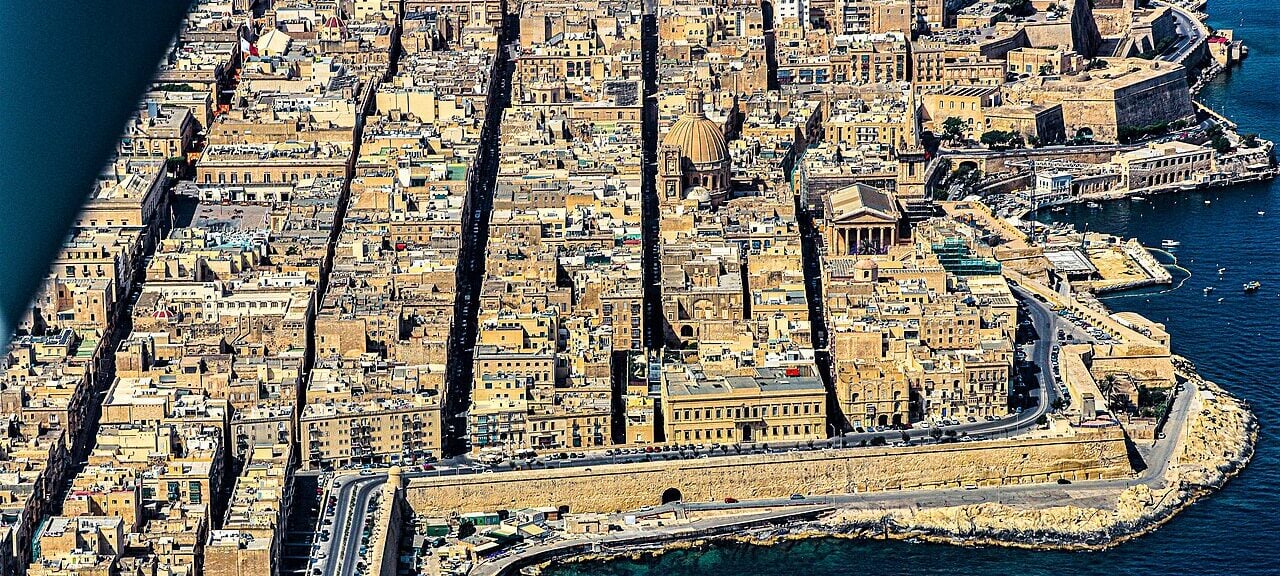
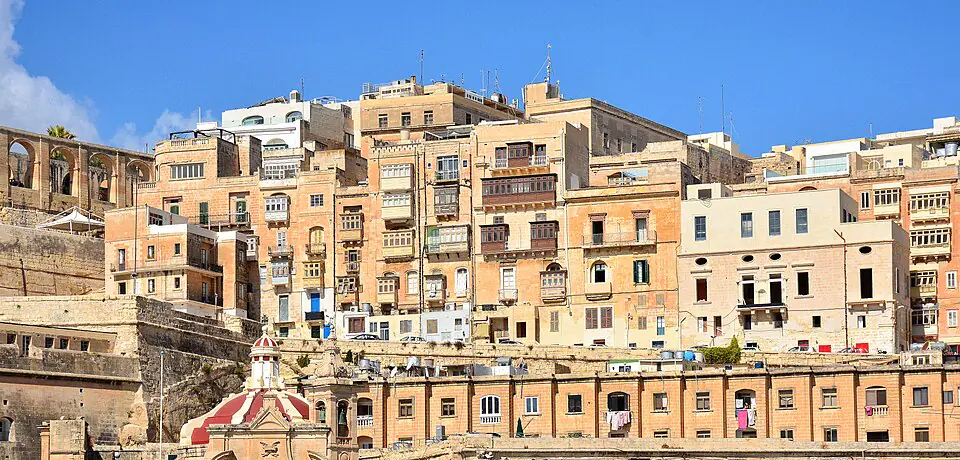
Valletta is oozing with personality. You swap modern apartments for centuries-old townhouses, your morning pastizzi come with Baroque architecture. The best part is that there’s nearly always another tiny wine bar, exhibition or festival to discover. It’s beautiful but it’s also full of cruise passengers and day trippers for much of the year. Parking borders are mythical and I can confirm that lugging groceries up three flights of limestone stairs gets old surprisingly quickly.
That’s Valletta for you.
Swieqi and Pembroke
If friends tell me they like the buzz of St Julian’s but would rather sleep through the night, I usually suggest Swieqi or Pembroke. They’re quieter, greener and still close to offices, great restaurants and top international schools.
Mellieħa
Mellieħa feels a world away from central Malta, even though it really isn’t. If you like being close to the sea and don’t mind a slower pace of life, it’s easy to see the attraction. Homes tend to be a bit bigger too, which is one reason plenty of families end up there. The only thing I’d think carefully about is the drive. It doesn’t look far on the map but I’ve sat in enough traffic over the years to know those short journeys don’t always stay short.
Marsaskala and the villages
Marsaskala was once something of a well-kept secret, although plenty of expats have discovered it in recent years. I spent four happy years there myself. With waterfront restaurants, gentler rents and a more relaxed vibe, it’s easy to understand why. The same goes for villages such as Rabat, Siġġiewi, Żurrieq and Għargħur. You’ll spend more time in the car but you’ll also find village festas, neighbours who know each other by name. Life in the villages show a traditional side of Malta that many visitors never experience.
So where should you live?
In the end, it comes down to the kind of life you want.
Without a car, I’d stick to Sliema, Gżira, Msida or St Julian’s. If you’re working remotely, places such as Mellieħa, Marsaskala or even Gozo can stretch your budget much further. Families often gravitate towards more peaceful neighbourhoods with larger homes, while those working in finance or iGaming usually stay close to the central business hubs.
After more than a decade here, one thing has become clear to me. There isn’t a perfect postcode. The best place to live is simply the one that suits your preferred version of Malta.
–––––––––––
Read more about Malta here in Dispatches’ archives.
See more from Dayna here.

Dayna Camilleri Clarke
Dayna Camilleri Clarke is an award-winning writer, editor, and leading media voice from Malta, recognised for her contribution to the islands’ cultural and editorial landscape. Having held prestigious editorial roles, including editor of Air Malta’s in-flight magazine and the Malta Business Weekly, she is now a contributor to Oh My Malta and is widely regarded as a destination expert on Malta, Gozo and the wider European landscape, known for her elegant storytelling and astute editorial voice.