Many expats who left the U.S. for sociopolitical reasons wrestled long and hard with the stay-or-go question before reaching their decision. (I did too, until January 6, 2021 removed all doubt.) Once settled in their new country, those same expats often watch their new sociopolitical landscape with a keen eye. Here in Italy, a few of us recently discussed the new “National Future” party led by Roberto Vannacci–an even farther right-wing extremist than the fascist-adjacent Meloni.These are the times when we may have to re-weigh the pros and cons of our chosen home.
Sure, the food and wine, the beauty, art and architecture are no-brainers for the “pros” column. But, when it comes to everyday living, it’s subjective.
We have different priorities–the things that make daily life doable, and our chosen country still the “right” place for each of us. For me, one of those priorities is public transit. While most in our little discussion group have vehicles, I vowed never to drive again when I retired. So, having a reliable transit system was important to me.
A rail system second to none
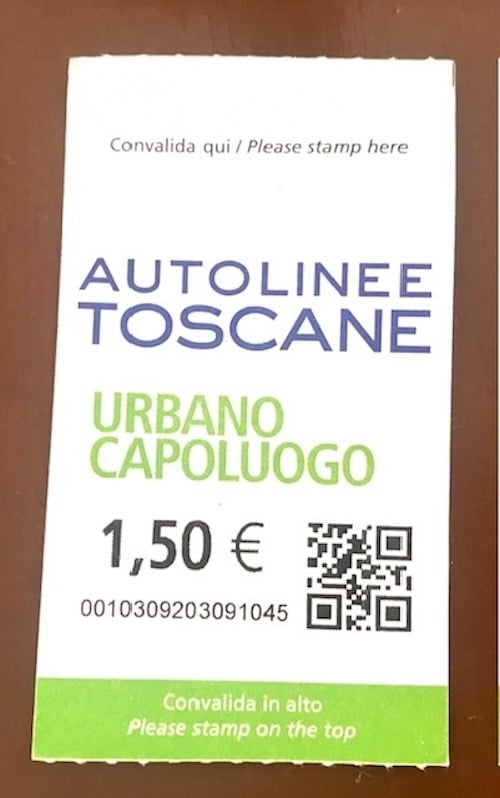
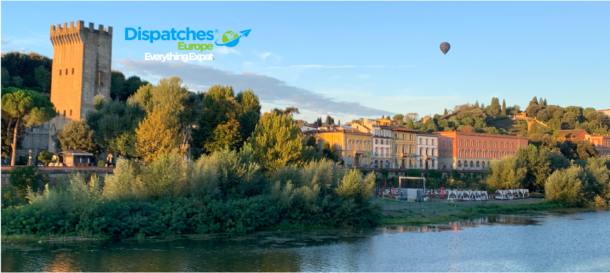
In my view, Italy’s rail system is second to none. I live in Sesto Fiorentino, which is part of Florence but six kilometers outside the city center. It’s a quiet suburb, which I love, but quick access to Centro is crucial. One block from my apartment is the Firenze Castello train station, from which I can reach just about any destination in the country, usually connecting through Florence’s famous hub, the Santa Maria Novella (SMN) station. So, 1.5 euros and an eight-minute ride to SMN gets me to group meet-ups, shopping, church and anywhere I want to go in the city, but also connects me to virtually everywhere else, whether visiting a friend in Sienna or a favorite restaurant in Lucca. And those same trains also meet your tourism needs.
Several vineyard and food tours meet at SMN. Or, hop a train to Rome – a beautiful two-hour ride that will take you to the airport, drop you right in front of the Colosseum, or in the city center where you’ll meet your tours to the Vatican and other popular destinations. Or, take a direct train a couple of hours in the opposite direction to Venice, where you’re dropped off at Santa Lucia station, right on the canal where you can meet your gondola tours (or where you can take the People Mover to the port to meet your cruise ship).
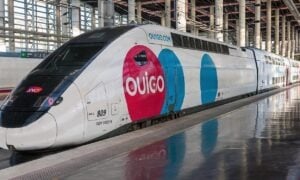
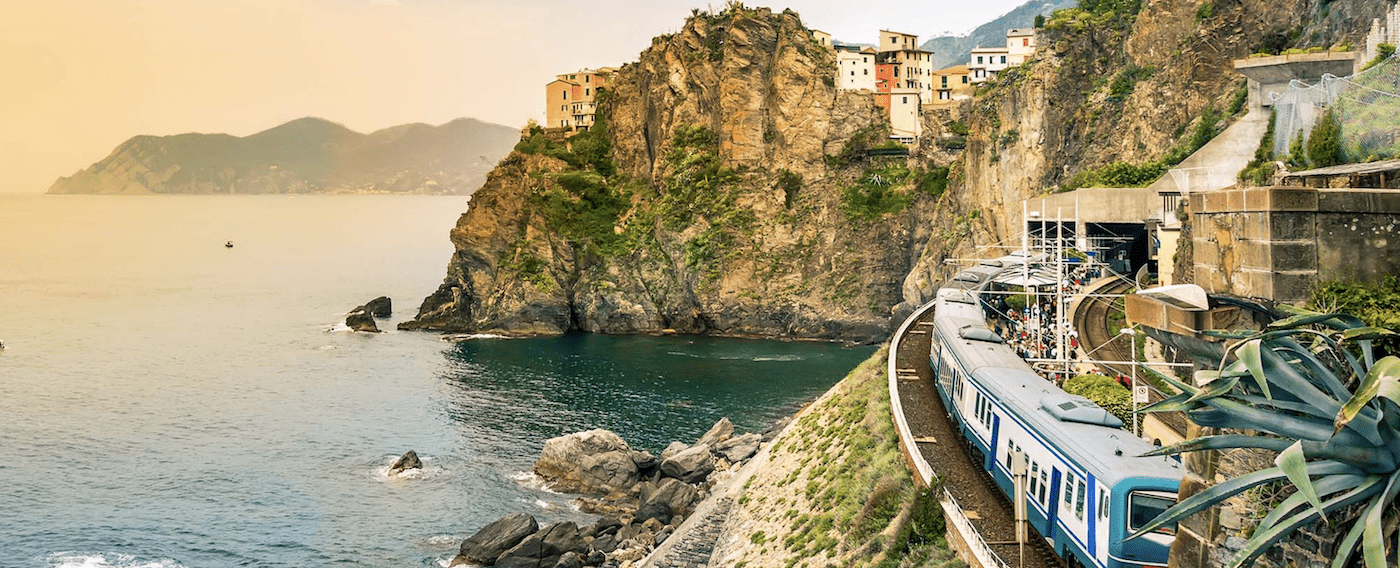
A three-hour train ride from SMN gets you from the center of Florence to Naples or Pisa/Cinque Terre; or two hours to Milan, or 90 minutes to Sienna. You get it – there’s almost nowhere you can’t reach by train in Italy, either on the government’s Trenitalia line or the private Italo high-speed trains. I’ve traveled extensively on both, and can attest that they are clean, comfortable and well-maintained, with a choice of class and service but all still reasonably priced.
Okay, the taxis aren’t great
Whether buying your ticket at the station kiosk or online, it’s important to compare pricing for various schedules. And one other caveat for Italian train travel: strikes. At any given time, there are impromptu train strikes. Mind you, not protests for higher pay or any other end that would justify such means. I have yet to learn of any such outcomes.
No, these frequent strikes seem to be just arbitrary days off to head to the beach.
And they’ll happen when you least expect it, so listen for announcements and watch for hastily-posted signs. As for other public transit options, buses and trams are everywhere to take you through the neighborhoods and more off-the-beaten path destinations. They’re often crowded, depending on time of day, so I rarely use them, but they’re convenient and dependable.
Taxis in Italy are another story. Generally, hailing taxis is not done. There are official apps like itTaxi, or you can simply go to the taxi stand at the train station. But taxis can be overpriced, and there are no rideshares like Uber or Lyft (other than the Uber Black limousine service). So, taxis are available but hardly one of the aforementioned conveniences.
Overall, Florence is the perfect centralized base for travel in Italy, and trains are my preferred mode of transportation. My discussion group agreed that such conveniences are what make the everyday expat life doable. They are the pros that outweigh all of Italy’s crazy bureaucratic cons.
Whether they will outweigh the possible coming changes in government, remains to be seen.
–––––––––––
Read more about Italy here in Dispatches’ archives.
See more from Carla here.

Carla Bastos is a former journalist and newspaper editor, and an American expat in Italy for several years. See her personal blog here: https://globalcarlabastos.blogspot.com/