

These days, leaving the United State for good is an easier decision than ever. Opportunities and options for relocating are ever expanding. But the process for making that move happen for expats is ever-changing in many countries. There were the good changes, of course, such as digital nomad visas. But many of today’s new rules just seem to complicate things.
Particularly for those interested in permanent residency or citizenship in a new country,
it’s important to pay attention, and plan ahead.

Italy
For example, Italy’s amended descendent citizenship law is affecting tens of thousands of people with Italian lineage, whose applications for citizenship have been in process for years. Under the old rules, one needed only prove Italian ancestry, even going back generations. But the new law requires the applicant to have a parent or grandparent who was born in Italy. Having ancestors from prior generations doesn’t qualify.
Because the process can take years, the government is exempting applications filed before March of 2025. But those who filed after that date – no matter how long they’ve been planning and working toward their Italian citizenship – are out of luck.
Mexico
Then there’s Mexico. I’ve had several friends who retired and moved to Mexico in the past, always touting the simple process and the inexpensive cost of living. Well, the cost of living hasn’t changed much: A single person can live comfortably for well under $2,000 per month. But the minimum monthly income required to become a resident recently skyrocketed to $4,400 from $2,000 (even up to $5,000, depending on the exchange rate and which consulate handles your application, according to the Mexico Tribune Mexico’s 2026 Residency Rules for Expats Updated).
These drastic changes may not seem fair, but they may be understandable from the countries’ perspectives. With growing expat numbers worldwide, there must be guarantees they won’t be a burden to the government or negatively impact its citizens.
Italy has also implemented strict limits on Airbnb rentals, which many new expats use when they first arrive, due to severe housing shortages for locals. In the case of Italian citizenship, the government has for some time cited a need to curb the surge in applications, and to carefully vet each one. (But there apparently have been no internal improvements to create a more functional system or reduce wait times.)
New rules
New rules for citizenship and both permanent and temporary residence applications, are becoming more frequent and must be monitored carefully. They will have a major impact on the process of becoming an expat, and related life decisions. When I moved to Italy in late 2021, the clock was started on my five-year wait to become eligible for permanent residency. As in most countries, requirements would include a minimum monthly income, A2 level language proficiency and more.
I was well on my way until, after nearly three years, I decided to embark on a 14-month world cruise. I knew that living outside of Italy for that long would mean restarting the five-year residency clock when I returned.
Not a new rule, but a major consideration in my decision.
To add insult to injury, my temporary residency, or permesso di soggiorno, expired while I was away. I had been given conflicting instructions by different authorities for renewing it remotely. Of course, none of them worked.
Schengen Shuffle
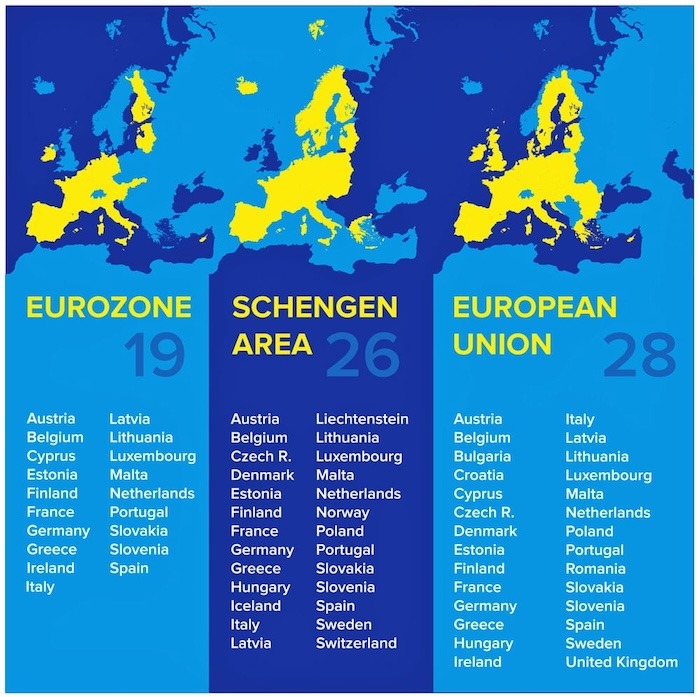
These bureaucratic challenges are causing some wannabe expats to rethink their choices altogether. Particularly for retirees who have worked most of their lives to be free from such craziness, one option to consider is what’s being called the Schengen Shuffle. It’s simply choosing to live in a particular country only for the time allotted by your visitor’s visa – three months in Schengen countries. And then, move on to another country outside the Schengen Zone for the next three months to restart your 90 days.
It may sound radical, but more folks are doing it.
Of course, there are those who are looking to put down roots in one place; or, who can’t let go of their houseful of furniture or other material possessions that provide that much-needed familiarity. So, perhaps the nomad’s life is not for everyone. But for minimalists, retirees without responsibilities, those with an insatiable wanderlust or those who just can’t be bothered with today’s bureaucratic madness, it may be a simpler, more doable lifestyle.
At the end of the day, the good news is, there are more options for expats than ever before. The key is keeping up with changing rules, making informed decisions – and maybe thinking outside the box a little.
–––––––––––
Read more about visas and immigration in Dispatches’ archives.

Carla Bastos is a former journalist and newspaper editor, and an American expat in Italy for several years. See her personal blog here: https://globalcarlabastos.blogspot.com/