
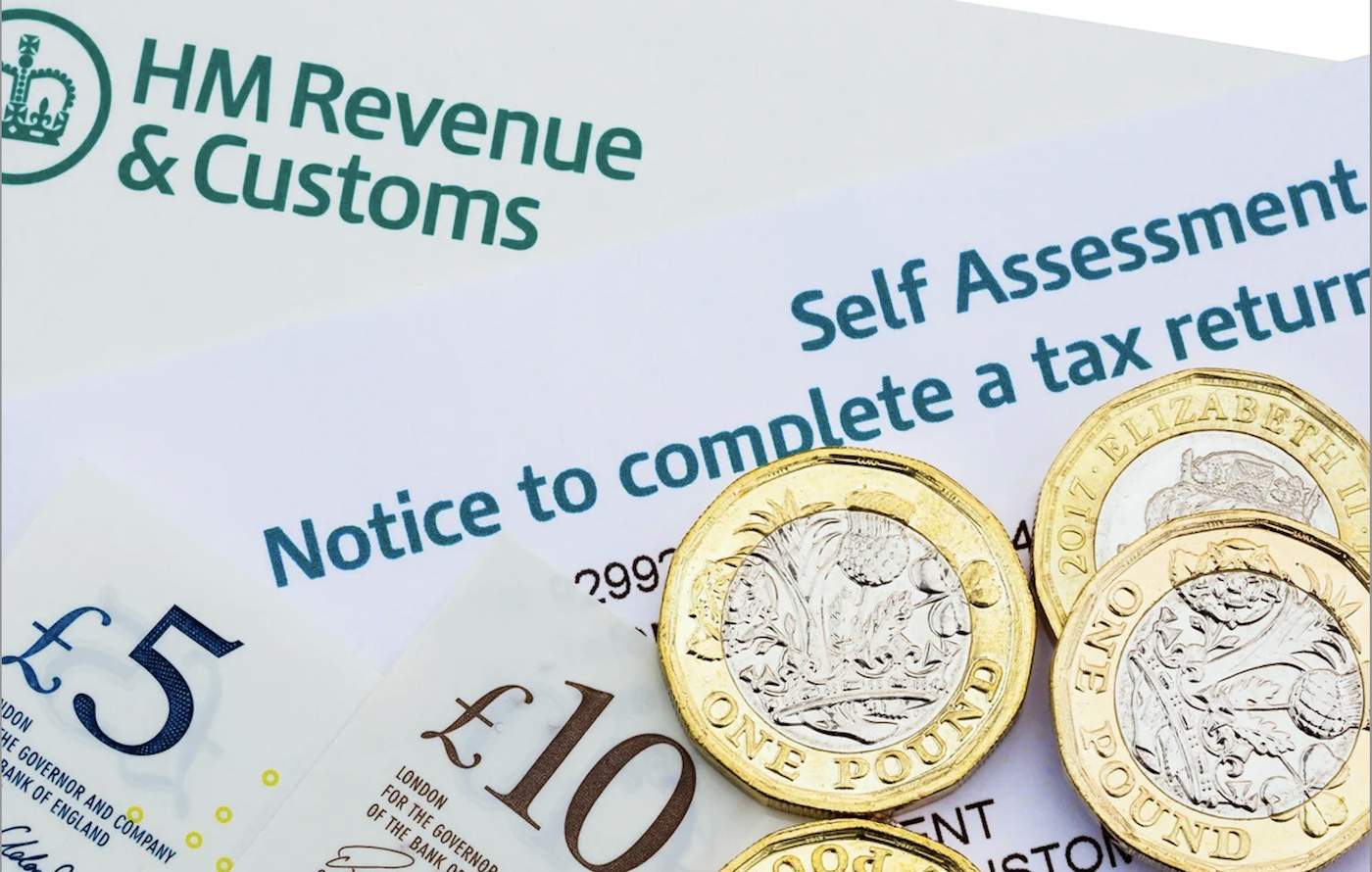
Ah, autumn in the United Kingdom. A time for leaves turning, sweater weather, cozy mugs of tea, and … taxes? Well, yes. While April is tax season in the United States, in the United Kingdom, taxes are traditionally filed in the autumn. That’s not the only difference, though, and if you’re an American expat in the UK, you’ll need to know how UK as well as US taxes work, and how to get your financial paperwork in order to ensure a minimum amount of stress.
So, without further delay, pull up your pay stubs and let’s have a look at how to file expat taxes as an American in the United Kingdom:
How do you measure a year?
One of the most important differences between the US and the UK, tax-wise, is that the financial year follows a different calendar in each country. In the US, the tax year is the same as the calendar year, beginning on January first and ending on 31 December. However, in the UK, the financial year begins and ends at the beginning of April, which is why British taxes aren’t due in April, and also is important to remember when you’re calculating your finances for any given year.
The UK also allows for more time than the US when it comes to how long you have from the end of the financial year to when your taxes are due.
If you’re filing taxes in the UK, your due date will depend on when you file.
For those filing a paper return, it needs to be received by HMRC (His Majesty’s Revenue and Customs, which is the British equivalent of the IRS) by 31 October — a spooky thing to think of for Halloween, depending on your circumstances. That said, most people file online, and if you’re among that number, your taxes aren’t due until 31January for the previous tax year. You can file taxes online, as well as pay any tax you owe, via the HMRC website.
Do I need to file?
If you have a full-time job with a UK employer, the odds are you won’t need to file taxes in the same way as you would in the US.
Most British employers will automatically deduct your tax contributions from your paycheck.
If this is the case for you, and your job is your only source of income, you will not need to file, as your taxes have already been paid. However, you might still need to file taxes if you have sources of income aside from your job. This includes income from savings, investments, rental income from properties you own, or a second job, gig work or other “side hustle.” The rules (and how much tax you owe) can vary significantly depending on your income and other circumstances, so be sure to check with HMRC if you’re not sure.
But what if I’m self-employed?
Self-employed people in the United States face a complicated tax schedule, with quarterly taxes to be paid throughout the year. Self-employed tax in the UK works slightly differently, but is also a little trickier than paying taxes from traditional employment. Depending on how much you earn, you may or may not owe income tax; either way, you will need to pay National Insurance contributions (similar to US Social Security), which can either be paid as you earn (known as PAYE), or pay when you file your taxes. Again, the HMRC website (you’ll need to make an account) will help you regarding your personal circumstance.
How about Refunds?
One of the only really “fun” parts of filing your taxes in the United States is getting paid if you’re owed a refund. But did you know that tax refunds are also a possibility for your UK taxes?
The UK system for tax refunds is highly streamlined, especially if you’re owed a refund from tax withheld from traditional employment. If you have overpaid taxes, for instance, if your job withheld more income tax than you owe, this will automatically be calculated through records your employer sends to HMRC, who will then send a check to your home address for the overpaid tax. This is less common in the UK than the US, though, as withholdings tend to be fairly accurate if you’re employed for the full financial year, so don’t expect a refund every year.
Uncle Sam wants you (to file taxes)
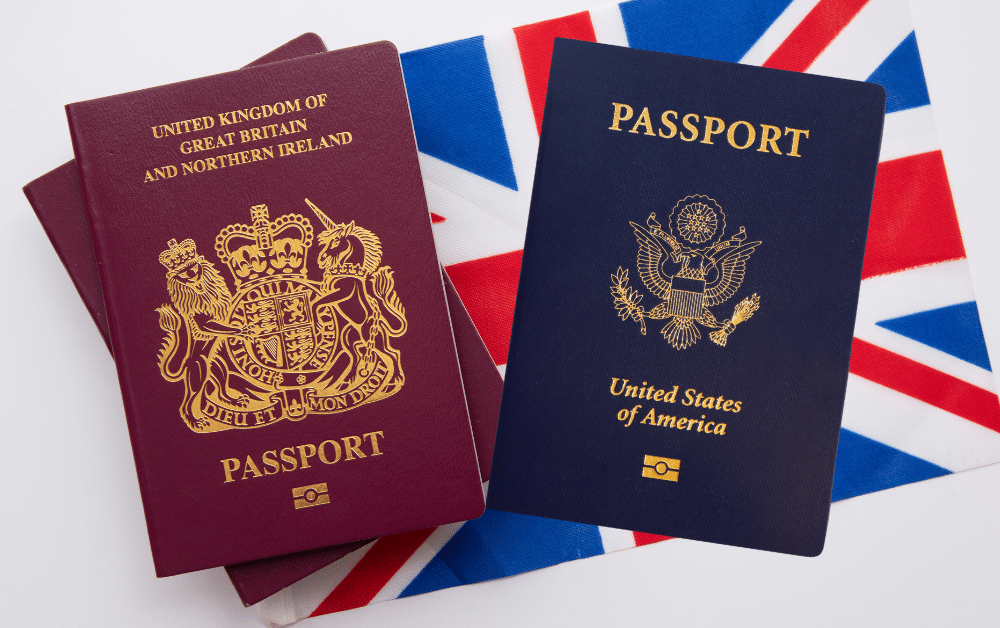
Unfortunately for American expats in Britain, you’re still not off the hook for filing your US tax return. As an expat, your tax return will be due in June, but you’re still required to file. Happily, Britain and the United States have a tax treaty, meaning that income below a certain threshold (currently $130,000 per year in 2025) cannot be taxed twice. An accountant, especially one who specializes in expat taxes, can help you with the particulars.
But the general rule is that even though you have to file twice, you don’t have to pay twice.
––––––––––
Read more about taxes here in Dispatches’ archives.

Ellery Weil
Dr. Ellery Weil is a writer and historian based in London. She was born in Washington, DC, raised in Maryland, and attended undergrad in Ann Arbor, Michigan, before moving to the UK to attend grad school at University College London, where she earned her PhD in History. She lives in London with her husband, where you can find her writing, reading, petting dogs in Regent's Park, and exploring the city's antique markets.