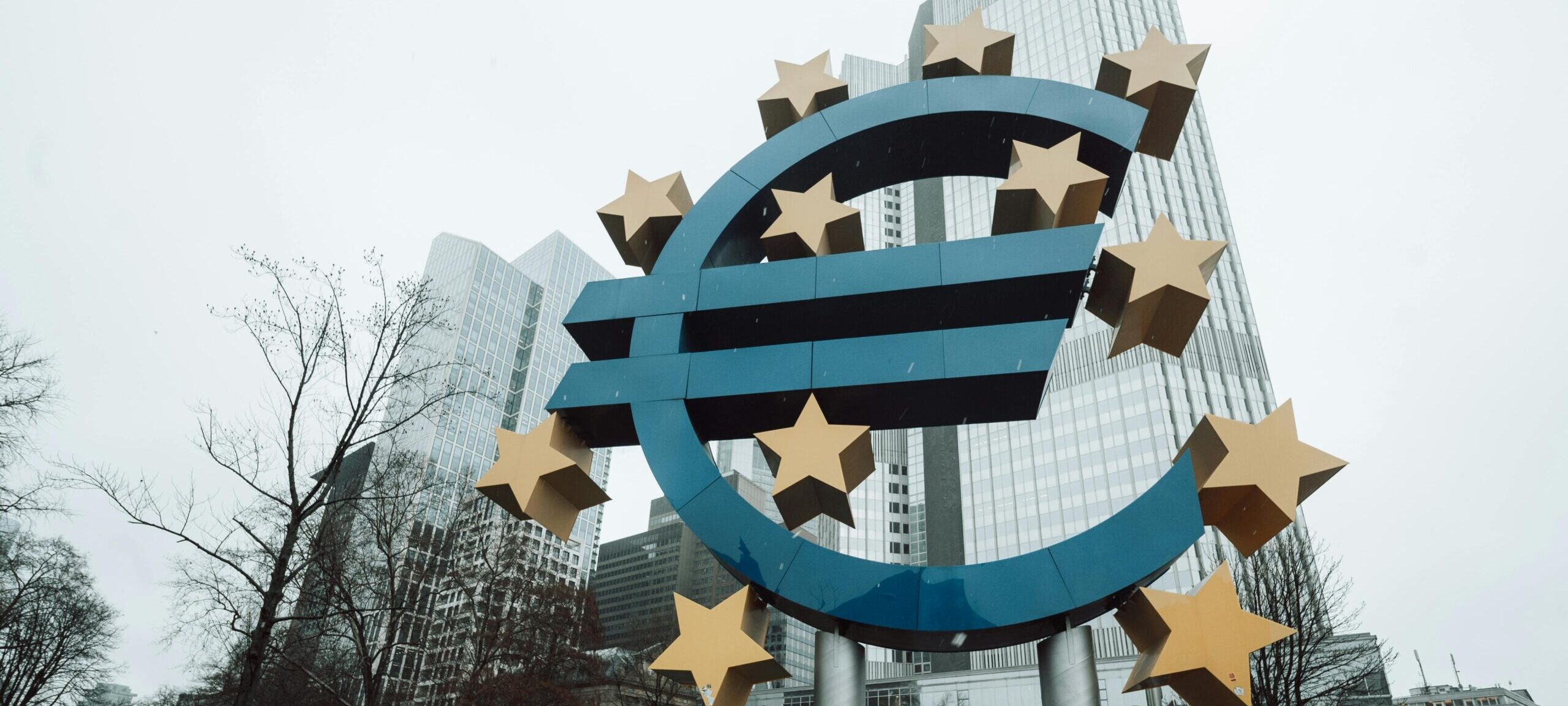
As Bulgaria stepped into the eurozone on 1 January 2026, the decision is already reshaping how the country is positioned as a travel destination. While the move has sparked political debate and public backlash at home, tourism experts say that the move will ultimately strengthen Bulgaria’s appeal – particularly among Western European travellers.
In 2024, visitors from other European countries accounted for nearly 30 percent of all foreign visitors to Bulgaria, a trend that the eurozone may reinforce and accelerate. According to information published by travelmole, experts believe that the euro adoption will make Bulgaria more competitive and accessible to travellers accustomed to using a single currency across much of the European Union.
Let’s explore what the eurozone membership means for Bulgarian tourism and what it might mean for visitors and the industry:
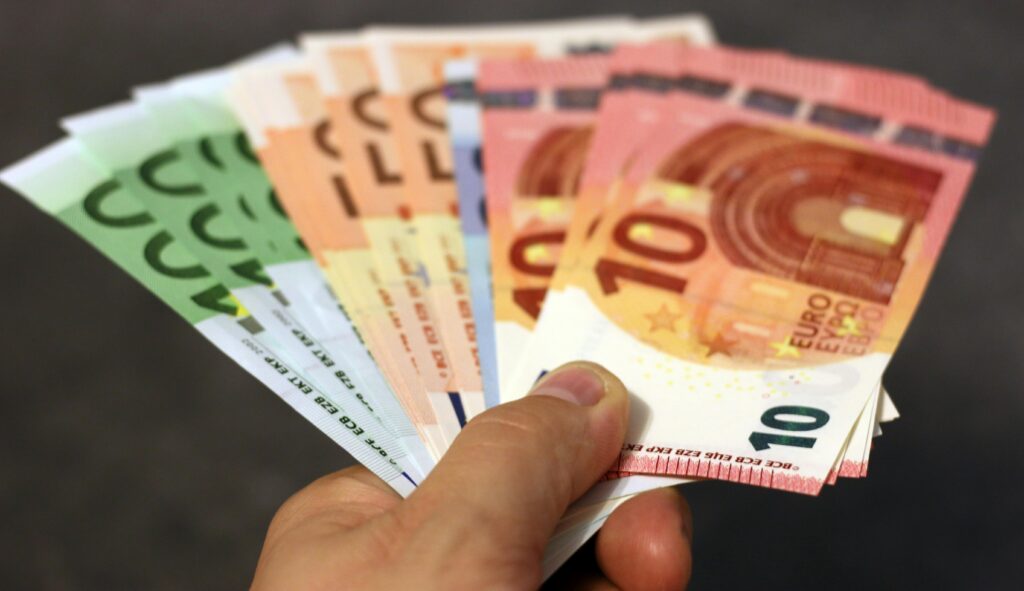
Eliminating currency exchange costs
With the euro replacing the lev, tourists from EU countries such as France, the Netherlands, Spain, or Austria will no longer need to exchange money when visiting Bulgaria. Even though the lev had a fixed rate since 1997 (1 euro = 1.95 lev), currency exchange remained an extra – and often unnecessary – step for travellers, particularly in areas where card payments are not universally accepted.
Under the new system, foreign travellers no longer face exchange fees. Meanwhile cash withdrawals from ATMs are expected to be simpler and cheaper. For short city breaks as well as longer stays, the reduced financial friction may make Bulgaria a more attractive choice compared to non-euro destinations.
Boosting price transparency
Euro pricing is also expected to improve price transparency. As noted by Travelmole, a shared currency allows visitors to compare costs more easily with other European or local destinations, lowering the risk of confusion and unexpected expenses.
This predictability is likely influence travel decisions, especially for budget-conscious travel enthusiasts planning multi-country trips or longer stays. With fewer variables to consider, visitors can calculate trip budgets more easily and make quicker booking decisions.
Potential increase in Western European tourist visits
Industry professionals believe that the impact on arrivals and bookings will not be visible immediately but will build over time. Ivan Groshev, chairman of the Association of Incoming Agencies in Bulgaria, an organisation that brings together the representatives of major European tour operators in Bulgaria, has suggested that while 2026 is expected to bring more tourists to Bulgaria, the biggest increase would occur be in 2027, after the transition period is finished.
According to BGtourism, the diversity of tourism offers winter and summer attractions together with cultural, wellness and natural experiences. These exciting features make the country even more appealing for longer-term travels and stays.
Potential investment in the sector
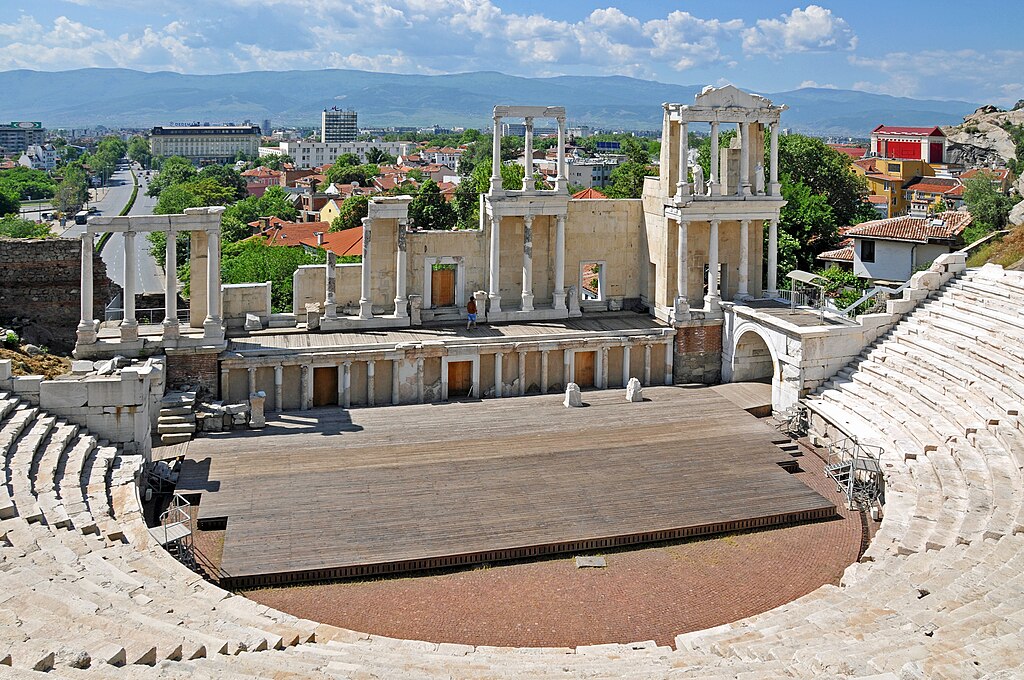
Beyond visitor numbers, the euro is expected to impact investment. Travelextra writes that having the euro as an official currency is going to integrate Bulgaria even more into the EU economy, increasing investment in coastal resorts and other cities such as Bansko, Burgas, and Plovdiv among others while reducing currency risk.
UN Tourism Secretary-General Zurab Pololikashvili has noted that investors are seeking stable destinations with clear rules and prospects for sustainable growth. Bulgaria offers an EU economy with increased demand.
What’s more, the geographical location of Bulgaria at the crossroads of Europe and the Black Sea, combined with its improved connectivity strengthens the investors’ interest in the business and leisure tourism.

Local backlash
The transition to the euro has faced public backlash despite visible benefits to the country. For many, the lev was a symbol of their national identity as well as fear of reduced purchasing power and price increases. According to data from the European Commission back in 2014, Bulgaria was the EU country with the lowest GDP per capita, at 34-percent below the EU average.
Public opinion remains mixed, according to a Eurobarometer poll: 53 percent of 1,017 Bulgarians surveyed opposed joining the eurozone, while 45 percent were in favor. The main concern is “abusive price setting during the changeover,” according to Politico.
This economic reality has fuelled concerns that the eurozone membership may not be very welcomed among citizens.
Final thoughts
For travellers, Bulgaria’s entry into the eurozone promises simplicity, transparency and easier budgeting. They are all factors which make the country a more competitive choice within Europe’s tourism market. For the tourism industry, the shift has the potential to unlock new investment and long-term growth opportunities. The question is, will prices rise?
As Bulgaria steps its ground on the European tourism map, the euro could mark a step towards increased visitor numbers and support to local communities.
–––––––––
Read more about Bulgaria here in Dispatches’ archives.

Polya Pencheva
Polya Plamenova Pencheva is a young Bulgarian journalist based in Brussels, Belgium. Polya holds a Master's degree in journalism from Rijksuniversiteit Groningen and loves writing and telling the untold stories of interesting people. You can find her dining at cute café, shopping at markets, scouting second-hand shops or just chillin' at home with something great to read.