
For aspiring expats ready to set down roots in a new country, most have already figured out and acquired their long-term visas. But earlier in the process there were the short-term recon trips, or even just vacations, that may not have required a visa at all … or any other pre-travel hoops to jump through.
That’s all changing.
Many countries will now require an electronic travel authorization for short-term visits, specifically for travelers from visa-exempt countries.
While it’s not a visa and it’s relatively inexpensive and easy to obtain online, this new authorization will be mandatory for even a brief getaway. Some countries will even require it for transit, i.e., layovers. So, it’s probably a good idea to brush up on what will be required to go where.
Several countries’ electronic systems are already in place, including Canada, Australia and the United Kingdom (Canada’s and Australia’s were implemented several years ago, and the UK’s just last year). I got a taste of the process before arriving in both Australia and the Philippines on my recent world cruise, when all ship residents were required to have an ETA for each of these countries.
As I’ve stated previously, the Australian authorization was quick and easy for some of us, excruciating for others. There were WiFi issues, but the site also wouldn’t accept certain information, etc. So, even though their system has been in effect for years, there were still kinks.
The process
The process generally involves downloading the respective government’s ETA app or simply going to their official website; filling out a form; and paying a fee of $20 on average. Ideally, the electronic approval is granted within minutes. The approval is then linked to your passport in that country’s system.
For entry to the Philippines, a similar online application was required, but it was free of charge. It was also only valid for 30 days, and for a single entry. Approval came in the form of a QR code to be presented to customs upon arrival.
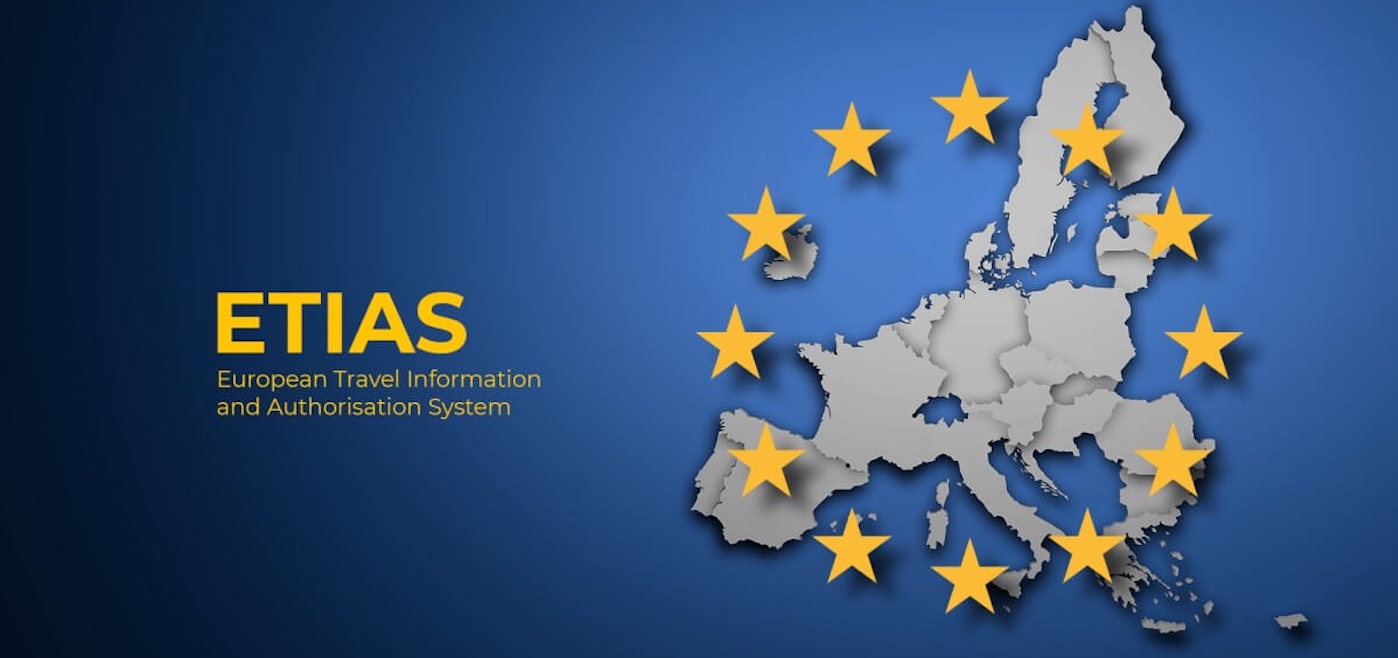
The EU’s recently announced system is now in a roll-out phase but will be fully implemented in late 2026. Officially known as the European Travel Information and Authorisation System (ETIAS), it will be similar to Australia’s, including a fee of about $20 and validity for up to three years.
According to the ETIAS website:
Starting in 2026, most travelers from visa-exempt countries will need ETIAS approval before entering EU countries in the Schengen Area. If you’re from the United States, Canada, Australia, or other non-EU nations, obtaining ETIAS clearance will be a necessary step in your travel document preparation.
Filling in the application is quick and easy. Most applicants will receive their ETIAS travel authorisation within minutes, though in some cases the process may take up to 30 days. This is why you should apply well in advance of your travel to avoid complications.
It should be noted that the new entry requirement will be for short-term travel only. For most Schengen area countries in the EU, that means 90 days. However, once you receive your authorization, it
will be valid for as many of those short visits as you want for up to three years or until your passport expires, whichever comes first. The authorization also does not permit study or work, as these will still require a formal visa and those holding such visas do not need ETIAS.
ETIAS roll-out in Q4 of 2026
While the new system will be officially implemented in the fourth quarter of 2026, some sites are emphasizing that there may be confusion or delays at the border during the initial transition period as the system will be introduced gradually. (Because Italy can typically be found bringing up the rear in all things bureaucratic, anyone traveling here should take this caveat very seriously.) It is yet another reason to book early and apply early for ETIAS, or at least as early as the online application becomes available.
Airlines are expected to provide links to the appropriate website for ETIAS applications, as they do for authorization systems already in effect.
While it is supposed to be electronically linked to your passport, airlines may also require that you show your authorization along with your boarding pass and passport, or be denied boarding.
Of course, the cynic in some of us will wonder if this all will depend on which agent you happen to encounter, and which side of the bed they got up on that morning. And, given the chaos experienced at airports during the recent U.S. government shutdown, it’s hard not to have a sense of dread at what this all may look like for those EU countries when the time comes.
Finally, it’s also worth noting that some applications may be denied, for reasons such as invalid travel documents, criminal history, illegal immigration, etc. (Have you overstayed your visa in the past?) The new ETIAS entry requirement is being presented as a simple additional step in EU travel. That may be a bit of an understatement. But it is a sign of the times in which we live–things are just more complicated, and there’s an ever-increasing need for added security.
So, the order of the day? Be informed, and be ready.
••••••••••
Read more about travel in Dispatches’ archives

Carla Bastos is a former journalist and newspaper editor, and an American expat in Italy for several years. See her personal blog here: https://globalcarlabastos.blogspot.com/