(Editor’s note: Terry Boyd also contributed to this post on the pirates of Varna.)
When American audiences think of pirates, the Caribbean usually comes to mind – swashbuckling movie characters such as Captain Jack Sparrow or the real-life Blackbeard. Yet centuries before the Golden Age of Piracy, the Black Sea had its own shadowy maritime world shaped not by romance, but by trade, conflict and, well, greed. At the center of this lesser-known story lies Varna, a strategic medieval port where commerce flourished – and where pirates were never far off the horizon.
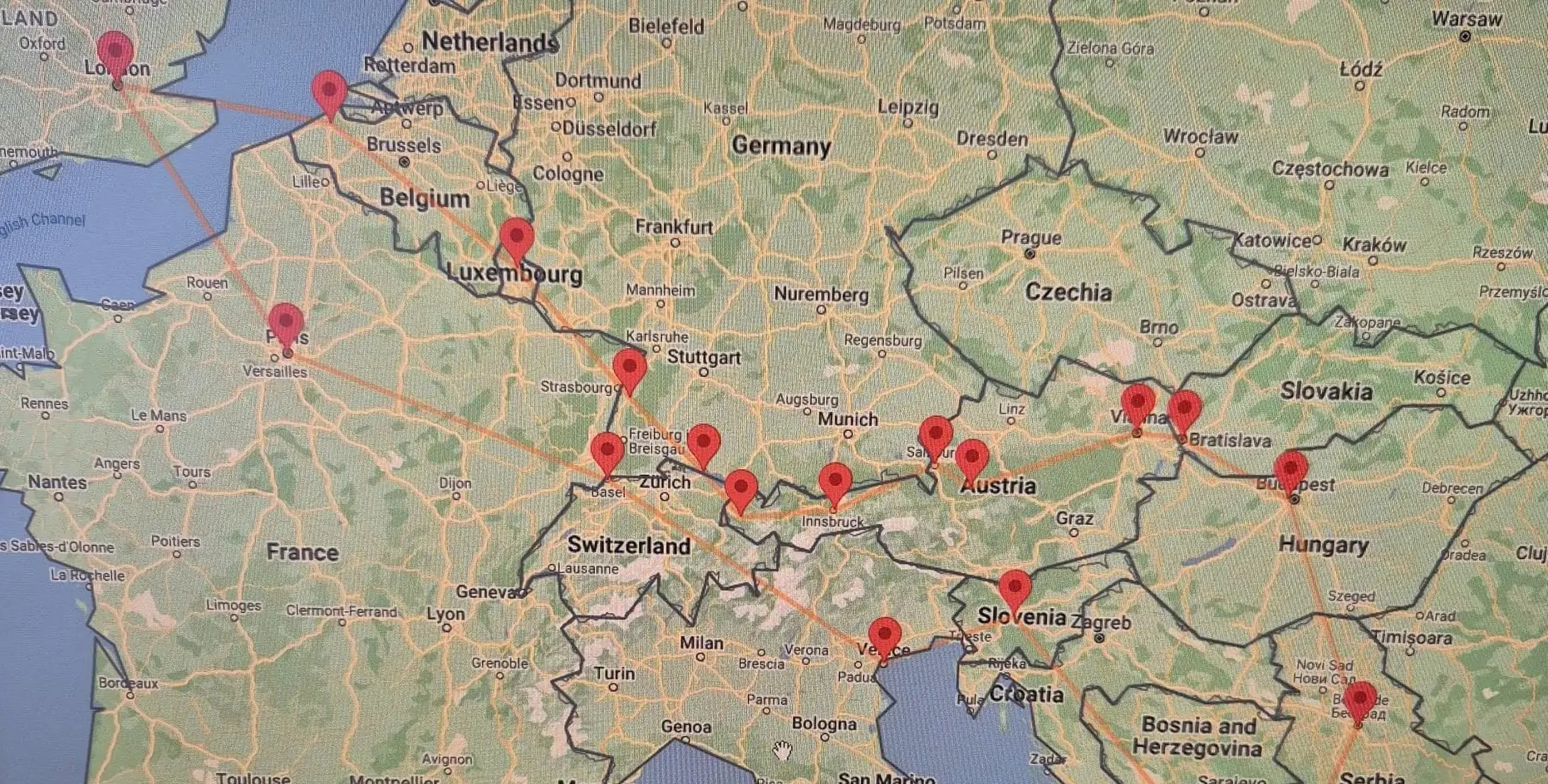
During the Middle Ages, Varna was one of the most important ports on the western Black Sea coast. Merchants from across Europe and Asia passed through its harbor, carrying grain, textiles, metals, and luxury goods to and from Constantinople (Istanbul). Situated on the northern shore of the Black Sea, Varna (known in antiquity as Odessos) was a vital port connecting Europe, Asia, and the Mediterranean. By the 13th and 14th centuries, ithad become a thriving commercial center, hosting merchants from Genoa, Venice, and Dubrovnik.
The constant flow of goods — grain, ceramics, metals, and luxury items — made Varna both wealthy and vulnerable.
Wherever there is wealth at sea, piracy tends to follow.
This steady flow of wealth made Varna a prime target. But the pirates of Varna didn’t look like the Hollywood version. There were no skull and cross bone flags or buried treasure maps. Instead, Black Sea piracy was fast, strategic, and often indistinguishable from warfare.
In medieval Varna, the line between pirate and soldier was often blurred. Maritime powers such as Genoa and Venice frequently authorized attacks on rival ships. This created a gray zone where: a merchant could become a raider and a pirate could operate “legally” under a flag. Trade and warfare overlapped constantly In this environment.
Piracy wasn’t just crime, it was a tool of economic and political competition.
Unlike the Caribbean model of organized pirate republics, piracy in the Black Sea during the Middle Ages was more fragmented. It often blended with privateering, raiding, and naval warfare, carried out by mercenaries, rival states or opportunistic sailors.
The prirates of Varna didn’t live in a separate underworld; they were woven into the fabric of medieval life. Raiders were often sailors, mercenaries, or even state-backed privateers.
Their tactics typically fell into several categories:
• The pirates of Varna used small, fast vessels to intercept merchant ships. Attacks were usually timed at dawn or dusk, when visibility was low. The goal was speed and surprise, meant to overwhelm crews before resistance could form.
• Unlike the gold-obsessed pirates of legend, Black Sea raiders also sought practical wealth. Grain, wine, oil, fabrics, and metals were far more valuable than coins. These goods could be quickly resold or redistributed.
• One of the most lucrative practices was kidnapping people. Wealthy merchants and nobles were held for ransom, while others were sold into slavery. In many cases, human lives were more valuable than the cargo itself.
Pirates didn’t limit themselves to open water. Small settlements along Varna Bay were frequent targets. Raiders would land quickly, loot supplies, and retreat before defenses could respond. Some pirate ships posed as merchant vessels, blending into normal trade routes. This made maritime travel even more dangerous because threats were not always visible until it was too late.

The geography of opportunity
The coastline around Varna offered ideal conditions for piracy. Hidden coves, elevated cliffs, and narrow inlets provided both cover and strategic advantage.
Several locations stand out for their connection to maritime conflict and raiding activity:
Kastritsi Fortress
Perched on the coast, Kastritsi served both as a trading point and a defensive stronghold. Its elevated position allowed early detection of incoming ships, critical in a region where threats could appear without warning.
Galata
The Galata peninsula guarded the southern approach to Varna. During the Middle Ages, it was reinforced with watchtowers and fortifications designed specifically to counter sea raids.
Petrich Kale Fortress
Though inland, this fortress played a key role in the region’s defense network. It helped coordinate responses when coastal areas were attacked.
Kaliakra
With its dramatic cliffs and hidden coves, Kaliakra was ideal for ambushes. Ships could disappear from sight and strike passing vessels with little warning.
The Legend of the Stolen Bride Princess
Along the northern Black Sea coast, one enduring legend captures the human cost of piracy: the story of the kidnapped bride. According to the tale, a noble princess was traveling by sea to her wedding. Her ship was richly decorated, carrying gifts and a dowry. In short, an irresistible target.
Near the cliffs of Kaliakra, pirates struck.
The attack was swift and decisive. Guards were overwhelmed, the ship was looted, and the bride was taken captive.
What followed depends on the version of the story:
The Leap: Refusing captivity, the princess threw herself from the cliffs into the sea, becoming a symbol of honor and defiance.
The Ransom: In another telling, she was held in a coastal fortress, possibly near Kastritsi Fortress, until her family paid for her return.
The Disappearance: A darker version claims she was taken across the Black Sea, never to be seen again.
Whether fact or myth, the legend reflects a reality: abduction and ransom were central to piracy in the region.

The 2026 experience
Today, Varna is a modern seaside destination. Its beaches and resorts attract tourists from across Europe and beyond.
In the modern version, the pirates use fun and adventure to separate visitors from their money.
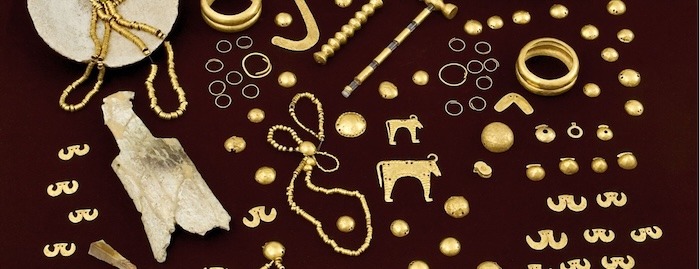
• If you want insights into what motivated all those pirates, the Varna Archeological Museum has rooms full of gold. The museum’s most celebrated exhibit is the Gold of Varna, the oldest gold treasure in the world, dating to 4600-4200 BCE and occupying three separate exhibition halls.
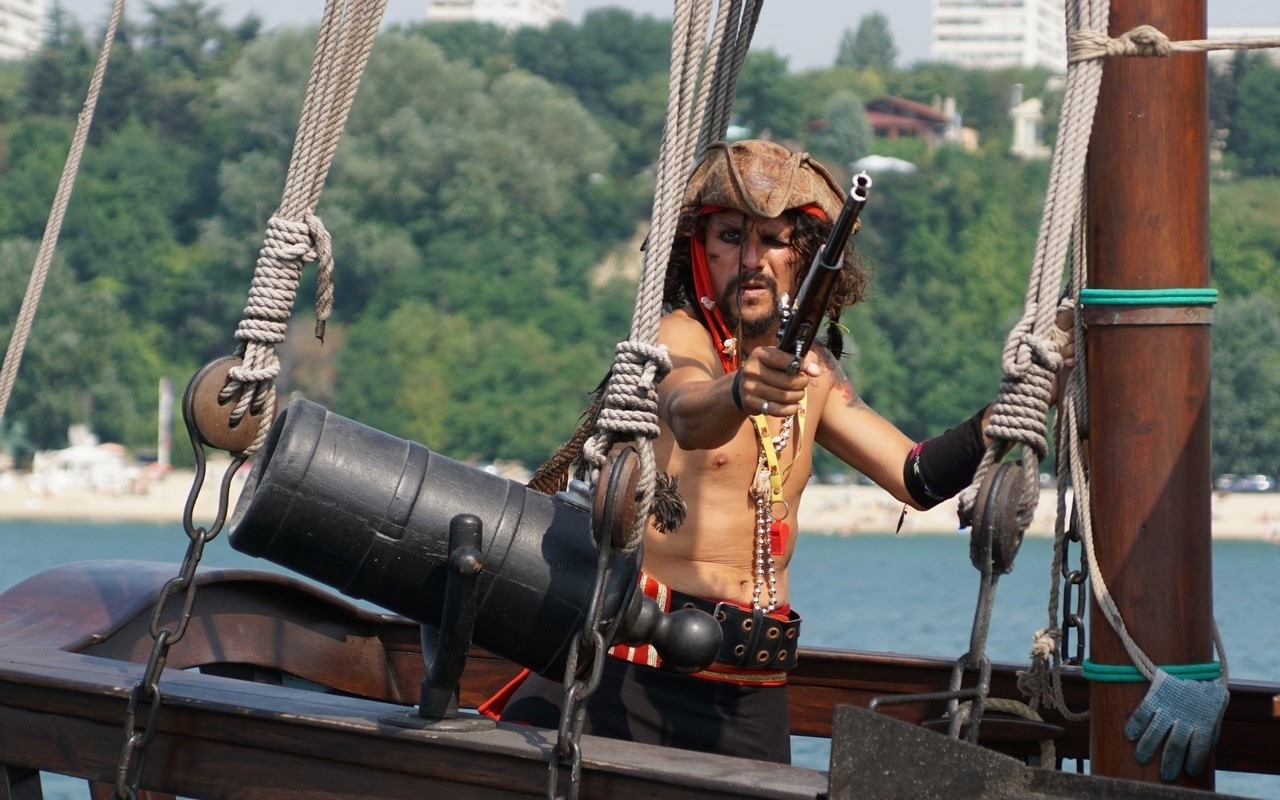
• The Pinta Varna is a modern replica of Christopher Columbus’s Pinta. It offers cruises and, yes, pirates.
• There’s the half-day Gilded Pirate Cruise with sea battles, a treasure hunt, costumes and games for kids.
• The National Museum of Military hHstory includes maritime displays.
So, while the Black Sea may lack the cinematic fame of the Caribbean, its stories are no less powerful. From ambushes in hidden coves to legends of stolen brides, Varna’s past reveals a world where danger and opportunity sailed side by side.
––––––––––
Read more about Varna here in Dispatches’ archives.

Kalina Varbanova freelance journalist based in Varna, Bulgaria. Kalina’s interests include culture, tourism, archeology and politics. She's been a Dispatches contributor since 2017, and has written some of our best-read posts.