Phuket is primarily associated with beach holidays, so even the phrase “rainy season” can instantly put people off, and I totally get it. When it’s all cold and gloomy in Europe, escaping to a sunny tropical island sounds incredibly tempting. Yet, as someone who’s spent a few months there over the past couple of years (and occasionally got caught in the rain), I hereby declare: Going to Phuket outside of peak season might be your smartest idea yet.
December to March is the peak tourist season with the lowest level of rainfall, but there is a flipside — the crowds and the highest prices of the year. And, even if you go during this period, you can always have bad luck and a few rainy days.
If you don’t go to Phuket purely for beach holidays, you shouldn’t be afraid of the rainy season. You’ll have plenty to do when the weather isn’t perfect, not even mentioning that it doesn’t usually rain all day — you’re more likely to get short tropical downpours.
And, let’s not overlook smart financial planning: While European beaches get crowded and overpriced in the summer, Thailand offers the complete opposite.
So, if you’re willing to trade a relatively predictable forecast for fewer crowds, better prices, and a more authentic experience, the off-season in Phuket might just be what you need.
This is my practical guide for first-timers who want to explore a more authentic side of Thailand.
What to do in Phuket
While Phuket is a classic beach destination, it has to offer so much more than that. Every time I go there, I have at best four or five beach days during a 3-week stay.
Here are some of the things you can do there:
Visit cultural sights. Phuket Old Town with Sino-Portuguese shophouses, the spiritual hub of Wat Chalong Temple and a towering Big Buddha statue are just a few locations that reveal the heritage of the island.
Try Muay Thai. Thai boxing is one of the pillars of the country’s culture, while Phuket is one of the main training hubs. Fighters from all over the world come here to learn and practice, so the local infrastructure is built to accommodate the athletes’ needs. You’ll find countless Muay-Thai gyms (and even a whole street dedicated to them) that will arrange anything from accommodation and healthy meal plans to longer visas to train in the camps. You don’t need to be a pro to try it — the sport has a welcoming community and is genuinely fun. Recommendations? AKA Thailand, Southside MMA Thailand, and Sinbi Muay Thai.
Learn to cook Thai food. It’s a great chance to bring an actual skill as a souvenir and talk to locals. Organisers of some classes (for example, Phuket Easy Thai Cooking) even take you to the local market to sample and buy local ingredients for your dishes.
Relax with a Thai massage. If you like properly strong techniques that feel like you’ve died and gone to heaven, local massage salons are a place to go.
Visit an elephant sanctuary. Symbols of Thailand, the elephants have long been exploited in logging and tourism, but the change is coming. In Phuket, it’s driven by Elephant Nature Park in Chiang Mai – an ethical retirement park where rescued elephants find a safe home.
Sample (and make) one of the best chocolates you’ll ever taste. Rawai is home to Barada – a small artisanal brand supporting the local cacao farming community. You can visit their headquarters which also serves as a café and a chocolate store, taste, buy and even make your own chocolate, while learning about the production and cacao industry from a brand founder.
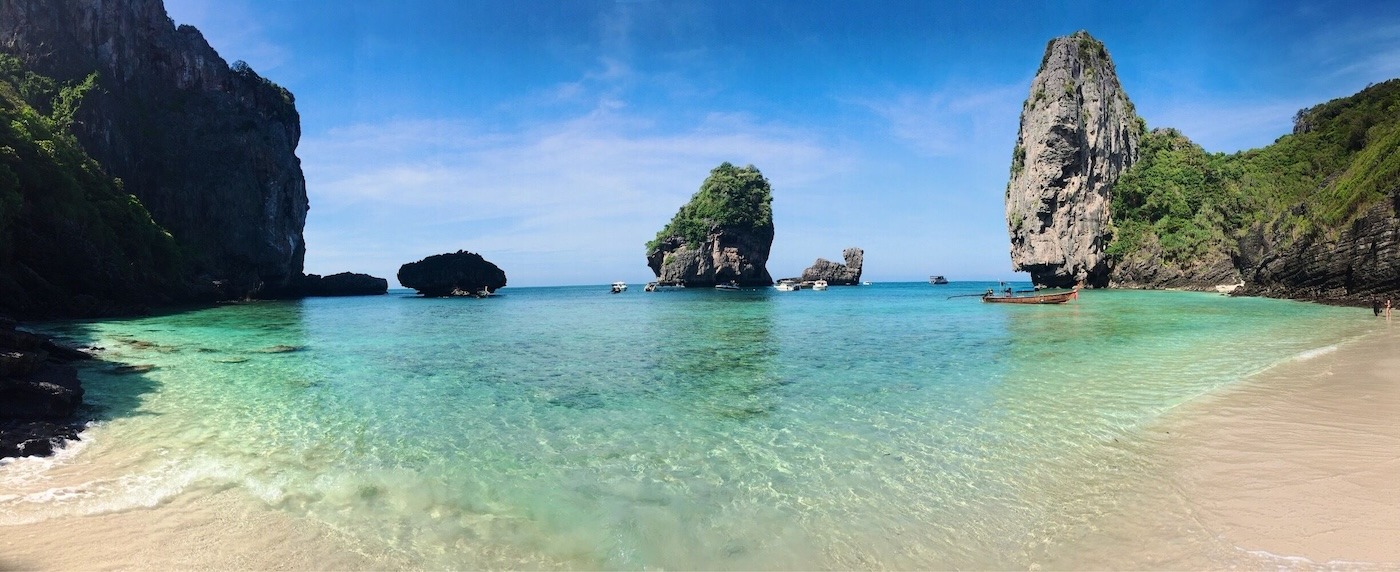
Go to the beach, but choose your beaches wisely. If you want something truly special, choose Nui Beach, tucked in a cove. Getting there in an off-road car is an experience on its own, but it is totally worth it. And don’t forget your snorkeling gear!
A few things before you go
Paradise destinations like Thailand tend to give you chill vibes and a sense of security, but overlooking the basic health and safety precautions can be risky on any trip. Below, I’ll talk more about measures within the country, but there are three non-negotiable things you need to take care of in advance.
Vaccination. It’s generally recommended to be up to date with DTP, Hepatitis A, and MMR. If you’re travelling from a country where Yellow Fever is present, the vaccine is mandatory.
Everything beyond that depends on your plans: jungle trips and rural areas often come with a few extra recommendations. The easiest way to figure out what you need is to check with your GP or a travel clinic.
Don’t leave it too late, though – some vaccines take a few weeks to build immunity, while others require a second dose, which can stretch the process up to eight weeks or even longer. For instance, the Hepatitis B vaccine (recommended in some cases, including long stays) involves three doses over the course of up to six months.
Travel insurance. An essential on any trip, and especially in a place like Thailand, where exotic food, curious wildlife, and chaotic traffic are part of the experience.
Driving license. Getting around Phuket is easiest by scooter or car, but your standard European driving license on its own won’t make it legal.
For Thailand, you’ll need an International Driving Permit (IDP). For scooters or motorbikes, depending on the engine size, that means category A or A1 (125cc is the smallest you can get there). For cars, category B applies.
Even if you find a rental willing to hand over a vehicle without the proper IDP, don’t bet tempted – it’s not worth the risk. Police checks are fairly common, so you’ll likely end up with a fine. But more importantly,you won’t be covered by insurance in case of an accident.
Getting there
Visa. Nationals of many countries can get a tourist visa on arrival or visa-free entry, depending on the passport. The process is easy: it is usually handled at passport control.
Just make sure to check the official embassy website in advance to avoid surprises.
Flights from Europe. Direct flights to Phuket from our part of the world are not very common, so prepare for a long journey with a layover. Some of the main hubs to make a connection are in the Middle East and Asia, with a total flight duration starting from around 13 hours.
Money and mobile internet
It’s not always possible to pay with a card in Thailand: some places only accept cash, while others set a minimum payment of 200 Thai baht for a transaction (it’s a common practice for supermarkets). On top of that, local businesses tend to charge an additional fee of 3 to 7 percent for card payments and don’t have contactless terminals, so having your actual bank card and some cash is essential for a hassle-free holiday.
You can exchange money straight at the airport or withdraw it from countless ATMs across the island — the exchange rate will be pretty much the same.
At the airport, you’ll also find multiple stands offering travel SIM cards (including e-SIMs) — it’s the best and cheapest way to stay connected.
As I mentioned above, a scooter or a car is the best way to navigate Phuket, but I suggest that you think twice before making a decision. I tried both, and I strongly recommend a car if it’s available for you.
Yes, the motorbikes have agility and a certain charm which definitely contributes to the experience, plus their rent is more affordable But, frankly speaking, many foreigners are not capable of driving them safely on the chaotic Thai roads. Most tourists don’t ride scooters back home, but then come to a country with reversed traffic and unfamiliar roads, and often do it recklessly, because the whole surrounding gives you a false sense of safety. As a result, you see many people riding without helmets or taking unnecessary risks just for the thrill.
I’ve witnessed multiple crashes, know people who’ve been in scooter accidents in Thailand, and once I even got to translate in the emergency room — all these experiences combined were enough for me to say never again to scooters in Thailand.
You may fairly say it’s a matter of perspective, but let’s look at the statistics: In 2024 alone, more than 14,000 people died in motorcycle accidents in Thailand.
Safety
Apart from the road situation, there are a few other things to be cautious about.
Tap water. Don’t drink it, and it’s better not to use it to brush your teeth either.
Exotic fruits. Trying new things is an essential part of any holiday, but it’s wise to be careful with unfamiliar food, especially if you already have allergies.
Wild and stray animals. You’ll encounter an endless amount of wildlife — from geckos to free-roaming dogs. Don’t approach them.
Rawai
Neighbourhoods
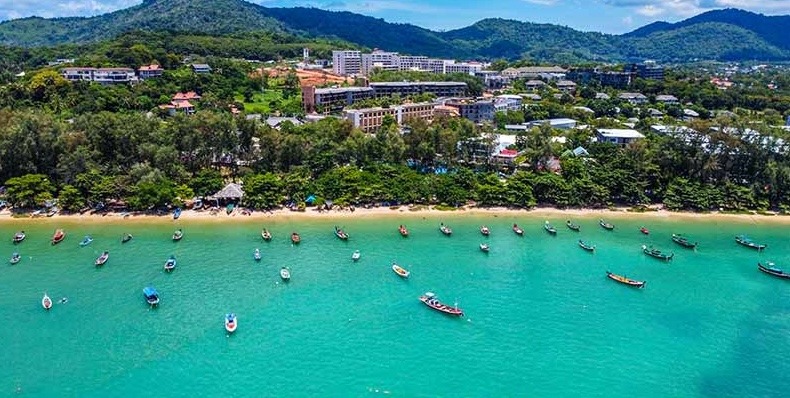
When it comes to neighbourhoods, Phuket is one of those places that doesn’t have one size that fits all. But I’ll allow myself to be biased (it’s a curated guide, after all) and tell you there’sno better place to stay than Rawai if you want to get an authentic experience while remaining in the comfort zone at the same time. It’s an area where local life blends with the expat community, merging the best of both worlds.
Places I’d never stay? Patong, Kata and Karon.
Local food and navigating spice levels
Phuket is a paradise for food enthusiasts, and it’s generally hard to go wrong with local restaurants where you can find every kind of cuisine executed amazingly. However, a few tips are worth knowing.
Be careful with street food and spots clearly aimed at locals – your stomach might not be ready for it.
Choose humble family restaurants over Instagrammable ones to get the best taste and service.
Communicate your spice tolerance level, considering the location. Thai spicy is far ahead of Western spicy, so it’s better to let the kitchen know your preferences. Also, mind that spice levels in tourist areas are usually much milder than in places like Rawai.
I’ve just scratched the surface with this guide. There are islands to explore. Elaborate mansions and – of course – the beaches. Follow my tips, use common sense, and you’ll make the most of your visit to this exotic city.
Oxana Skibun is a fashion and lifestyle editor who has crafted her stories for print and digital media outlets across Europe, the Middle East and Russia. Raised in Moscow, she now lives in Amsterdam, where she continues writing for international audiences.
Receive the latest news and updates from Dispatches Europe. Get lifestyle & culture, startup & tech, jobs and travel news dispatched to your inbox each week.