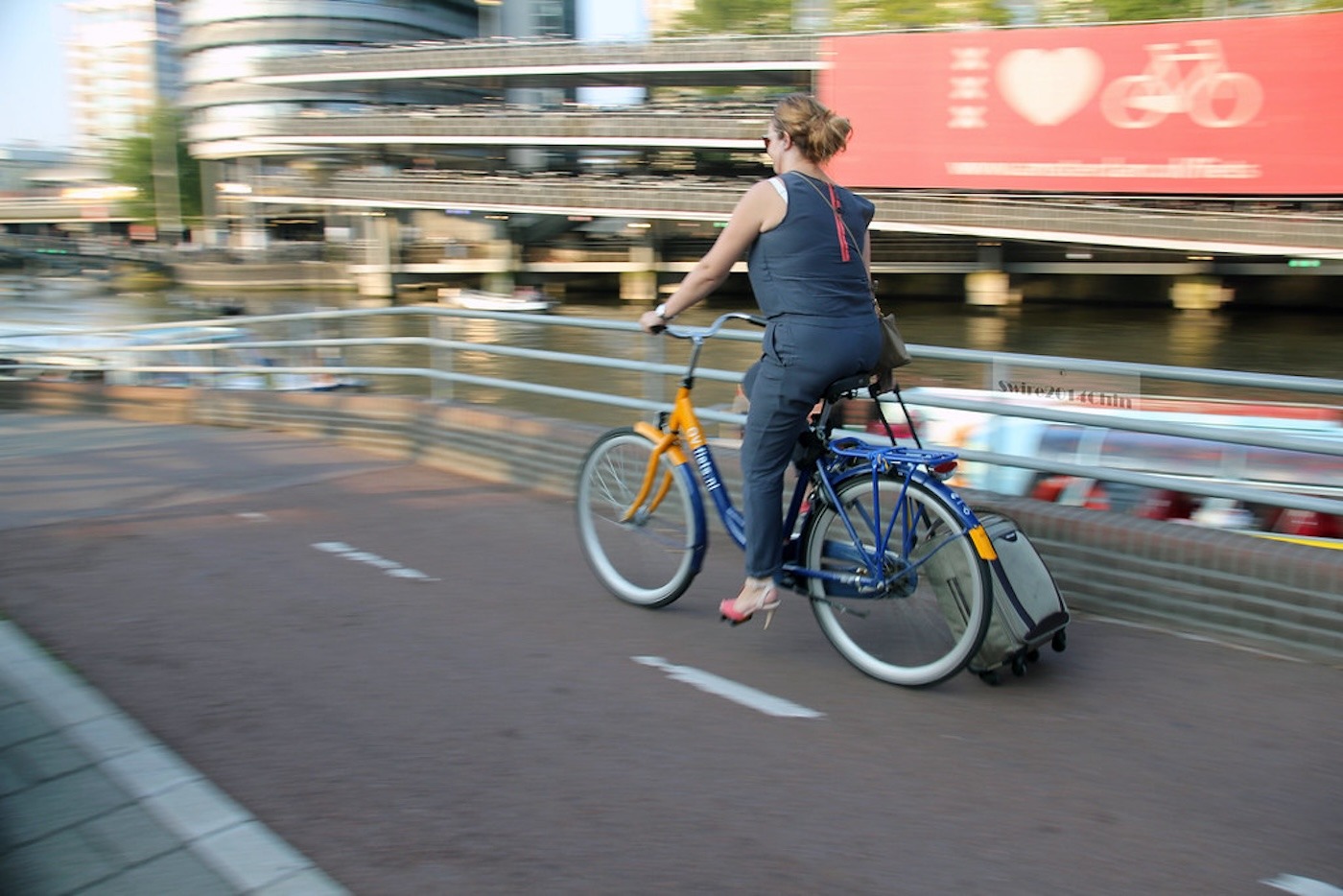
In the Netherlands, commuting by bike is the default travel mode. For most expats, it is an unavoidable rite of passage.
Push the clichés aside and the reality is simple: it’s ridiculously convenient.
Even in a busy city like Amsterdam, you can get pretty much anywhere in 10-25 minutes; you can leave whenever you want with no need to wait for public transport schedules; there are no extortionate parking fees to pay. Yes, the weather more than occasionally messes with the postcard image, but ultimately you get used to that. So, if you’re ready to embrace life on two wheels, here’re the basics you need to know.
How to choose a bike
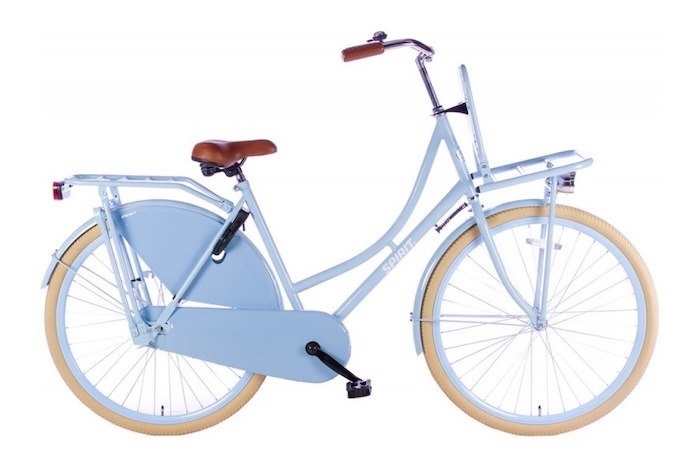
When it comes to picking a city bike, two things matter most: how far you’d be riding and how much you’re willing to spend. If your daily routes are short and you don’t fancy investing too much, the Dutch classic — the omafiets — is a solid place to start. It’s simple, sturdy, affordable, and does exactly what it’s supposed to.
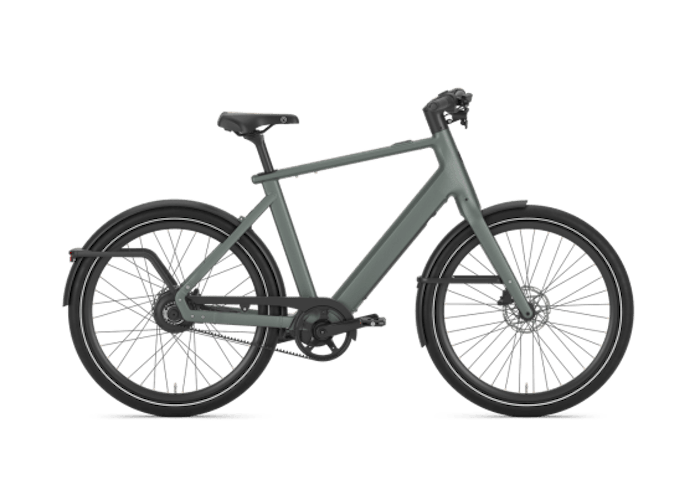
On the other hand, if you live on the outskirts while working in the city center, or spend your days hopping between different neighborhoods, it may be worth investing in something lighter and smoother that offers better comfort and speed. And if pedaling those longer distances starts to feel more like an involuntary workout, an electric bike might be a very tempting upgrade. Getting into electric bikes can be expensive, with the better brands such as Gazelle going for about 3,000 euros. And up. Way up. And racing bikes can also crazy expensive, with custom ultra-light bikes costing well into five digits.

Bike subscriptions
If you’re still figuring out what works best for you, it can be wise to start by renting through one of the many subscription services. The best part? Maintenance is usually included, and most providers would replace the bike if it got stolen.
For monthly plans, check out Swapfiets, Lease a Bike, or Veloretti. If you only need a bike for a day or two, NS from the Dutch train network and local rental shops are easy options. NS bikes are usually available at any train station and anyone who’s lived in the Netherlands for awhile recognizes that yellow and blue paint scheme.
Biking essentials
Getting a bike is one thing, but there’re still a few essentials you’ll need before calling it a day:
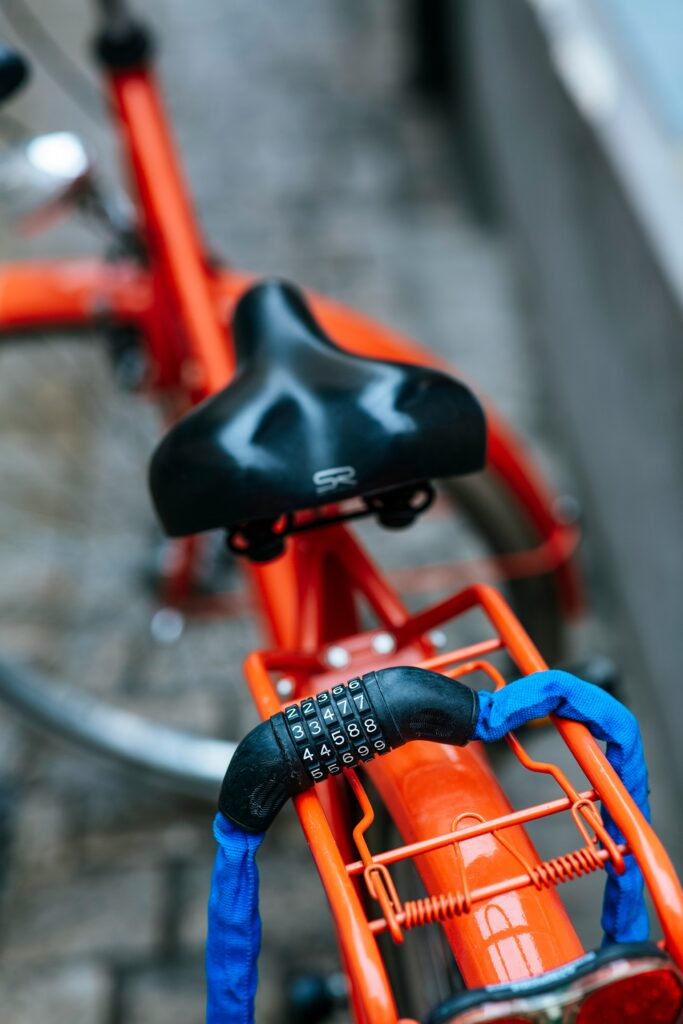
• The first is a (very) reliable lock. Bikes disappear here with impressive efficiency, so a good lock is non-negotiable. It’s the most important investment you’ll make, so don’t be stingy. Go for a cheap 20 euro model and your bike is likely to be the next victim. Instead, splurge on a heavy chain lock from Abus or AXA.
• Front and rear lights are mandatory when cycling at dusk and in the dark. You’ll be sharing the road with cars. Add poor visibility and things get risky fast. Riding without both the front and back lights not only increases the chance of an accident, but also can land you a fine if you are spotted by police.
The cheapest and easiest option is battery-powered or rechargeable lights. They’re mounted on the frame or handlebars, so they don’t add any resistance while cycling. But if you forget to charge or replace the batteries, you can suddenly find yourself riding in the dark.
The alternative is a dynamo system, either on the tyre or built into the front hub. When switched on, friction generates electricity to power the lights, meaning you’ll never have to think about batteries again. The trade-off is extra resistance while cycling and a higher upfront cost.
• A pump. Flat tyres are the most common bike issue, as tyres naturally lose pressure over time. It’s too minor of a problem to keep visiting a bike shop, so having a pump at home is very practical.
Not mandatory, but nice to have
- A basket or rare rack. So that you don’t have to overload your back with groceries and whatever else you carry around. A basket works well for smaller things, but if you do proper shopping runs and cycle everything home, a rear rack with pannier bags (fietstassen) on both sides lets you carry far more.
- A saddle cover because nobody enjoys sitting on a rain-soaked seat.
- Waterproof trousers (and a rain poncho). It just makes perfect sense in this climate. Depending on how traumatised you are by sudden downpours, this can range from a simple water-repellent jacket and trousers to one of those ponchos that look like a tent. Many people keep them in their bike sacks so they are never caught off-guard. Alternatively, in warmer months, an ultralight rain jacket that fits into your pocket is a lifesaver to have.
What is the helmet situation in the Netherlands?
In many countries, wearing a helmet while commuting is mandatory, but in the Netherlands, that’s not the case for everyday cycling. (High-speed sport cycling is a different story, with most clubs and individuals wearing helmets.)
There’s an ongoing debate around it. Some argue that helmets make cycling safer. Others believe that not making helmets compulsory is part of the reason why cycling became so widespread in the first place — which, in turn, led to better infrastructure and drivers who are genuinely used to sharing the road with cyclists. Many car drivers here also cycle themselves, so they know exactly what it feels like to be the vulnerable one between the cars — and tend to drive accordingly.
That said, if you feel safer wearing a helmet, no one will judge you. Comfort and confidence matter more than fitting in.
One clear exception: speed pedelecs — e-bikes that assist up to 45 km/h. By law, these fall under the motorcycle category, which means wearing a helmet is mandatory.
Parking
In the Netherlands, there are several places where you can park your bike: basements and sheds in apartment buildings or row houses (if you’re lucky), street-side bike racks, and dedicated public bike garages.
Private storage is straightforward, public parking comes with a few tips:
- Always lock the frame to something solid. With a chain lock, secure the frame (and ideally the front wheel) to a rack or pole. If you own a more expensive bike, this is non-negotiable. Otherwise it can simply be lifted, loaded into a van, and dealt with later.
- Park properly. Make sure your bike doesn’t stick out into the road, bike lane, or pavement. Bad parking is a quick way to annoy everyone, get your bike scratched, and sometimes earn a fine.
- Quick stop? Lock smart. If you’re popping into a shop for a minute and can’t lock your bike to anything, loop the chain through both the frame and the wheel. It won’t roll away, and it’s noticeably harder to steal.
As for bike garages, they’re safe, dry, and guarded. Many spots are conveniently located next to train and metro stations, some also offer repair services, e-bike charging points, and other useful extras. You can usually access them with your bank card or OV-chipkaart. The first 24 hours are often free, though this isn’t guaranteed everywhere. If you park there regularly, a yearly pass can be a handy option, especially since some garages also offer repair services, e-bike charging points, and other useful extras. In Amsterdam, you can find their locations here.
Maintenance
If you enjoy fixing things yourself, you can learn most basic bike repairs online — YouTube has you covered. Otherwise, there’s no shortage of bike shops ready to deal with any issue you may face.
Commuting
When you’re finally equipped and ready to ride, you can get straight to the point.
Here are some tips to keep in mind, when navigating the city by bike:
- Treat bike lanes like roads. Stay on the right and leave space for faster cyclists to pass.
- Use clear hand signals. Look over your shoulder to make sure you’re not about to hit anyone, then extend your arm in the direction you’re turning.
- Overtake on the left — carefully. Always check over your left shoulder first to make sure no one is already overtaking you, and look again when merging back into the flow.
- Follow the direction of traffic. Cycling against traffic is dangerous, annoying to everyone around, and can get you fined.
- Use cycling mode in Google Maps. It’s builds decent bike-friendly routes and helps you avoid busy roads where possible.
- Don’t ride on pavements or in areas where cycling is prohibited. This includes certain parks and pedestrian zones.
- Start with cycling streets. If you’re new to cycling and feel a bit anxious about tackling bigger roads, there’s good news: some streets are designed primarily for cyclists. You’ll recognize them by their red asphalt. Cars are allowed, but they’re guests: they must adapt to bike traffic and are limited to 30 km/h. That said, always keep to the right as much as possible and ride predictably.
This might all feel like a lot to take in at first, and cycling can seem overwhelming — with busy traffic, chaotic crossings, and tourists (and pigeons) constantly jumping under your wheels. But the only real way to adjust is to start riding.
Give it a little time, and before you know it, you’ll actually start to enjoy it.
**********
Read more about the Netherlands here in Dispatches’ archives.
See more from Oxana here.

Oxana Skibun
Oxana Skibun is a fashion and lifestyle editor who has crafted her stories for print and digital media outlets across Europe, the Middle East and Russia. Raised in Moscow, she now lives in Amsterdam, where she continues writing for international audiences.