
Bulgaria has just joined the ranks of digital nomad-friendly nations. As of 2025, the country officially offers a Digital Nomad Visa, giving remote workers from outside the European Union a legal pathway to live in Bulgaria while continuing to work for non-EU employers.
This long-anticipated step is a strategic move for Bulgaria – a country steadily growing as a hub for innovation, affordability and quality of life. With the country entering the Schengen Area in January 2025 and set to adopt the euro in 2026, Bulgaria is becoming more connected to the EU than ever.
The new visa couldn’t come at a better time.

Why is Bulgaria a great place for digital nomads?
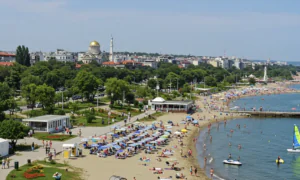
Beyond the low cost of living, Bulgaria offers fast internet, stunning nature, a growing nomad community and easy access to both the Balkans and the EU. From mountain towns such as Bansko and Veliko Tarnovo to seaside cities such as Burgas and Varna, Bulgaria is an increasingly attractive base for those living the location-independent lifestyle.
Now, with a legal framework in place, staying longer is not only possible, it’s officially encouraged.
What really sets Bulgaria apart is its international vibe and well-connected expat communities in cities such as Sofia and Plovdiv, as well as smaller hubs like Bansko. The cost of living remains one of the most affordable in Europe, making it easier to enjoy a high quality of life without the financial strain of pricier Western capitals.
We broke down the average rental costs in Sofia in this post, showing how you can live comfortably on a remote income. Whether you’re into hiking, skiing, co-working or cultural festivals, Bulgaria offers a surprisingly rich base for digital nomads who want both affordability and lifestyle.

Why this visa is a game-changer
As a long-time remote worker and someone who spends part of the year in digital nomad hubs in Bulgaria, such as Bansko, Sofia, and Semkovo, I’ve seen first-hand how Bulgaria has organically become a magnet for digital nomads.
Events like Bansko Nomad Fest, places like Coliving Semkovo and Burgas Coliving, have made the country a key destination for remote workers.
Naturally, more and more digital nomads decide to stay for longer in Bulgaria over the years. So far, it is easy for people within the EU to do that. However, the lack of formal visa options for longer stays for non-EU citizens was a barrier for people from countries including the US, Brazil and Canada. Until now.
The introduction of the Digital Nomad visa is a result of a policy initiative by the Bulgarian Entrepreneurial Association (BESCO), which coordinates efforts across institutions and lawmakers to create a legal path that supports both expat professionals and Bulgaria’s tech-driven future.
Who Is eligible?
The Bulgarian Digital Nomad visa is aimed at non-EU, EEA, Swiss citizens who work remotely and fall into one of these three categories:
- Remote employees: Working under a contract for a company registered outside the EU.
- Freelancers: Providing digital services independently, with at least 12 months of verifiable work history and no Bulgarian clients.
- Business owners: Owning or managing more than 25% of a company registered outside the EU, which offers remote digital services.
Key details of the Bulgarian Digital Nomad visa
- Type: Long-term residence permit based on remote work.
- Validity: Issued for 1 year, renewable once for an additional year.
- Local work restrictions: Visa holders may not work for Bulgarian clients or engage in the local economy.
This visa does not allow access to the local labor market. It’s strictly for people who earn their income from outside Bulgaria.
Financial requirements
To qualify, applicants must meet the following income threshold:
- Minimum annual income: At least 50 times Bulgaria’s minimum gross monthly wage. In 2025, this equals 46,650 Bulgarian lev (BGN) or approximately €23,850 per year.
You will also need to show sufficient funds to prove you can support yourself during your stay and not rely on Bulgarian social services. This is significantly lower than other digital nomad visas introduced in EU; like Portugal (annual income of at least €41,760) and Spain (€33,151.92 annually).
Required documents
Applicants must prepare a comprehensive set of documents. The digital nomad visa is only issued after presenting a valid “visa type D” for long-term residency for outside-EU nationals.
- Valid passport
- “Visa type D” for long-term residence and non-EU nationals
- Proof of income and financial means
- Proof of accommodation (rental contract, etc.)
- Health insurance valid in Bulgaria
- Criminal background check from your country of residence
👉 For a complete list and checklist, go to SofiaExpats.com to read all details.

Final thoughts
This visa isn’t just about paperwork – it reflects a growing recognition of the global remote work movement. For non-EU nomads, Bulgaria now offers a realistic, legal and lifestyle-friendly option in Europe.
If you’re thinking of applying, consider reaching out to an immigration lawyer or local consultancy to help navigate the process. You can also connect with BESCO, the organization that spearheaded this initiative.
If you do decide to base yourself in Bulgaria – welcome. You might find it surprisingly hard to leave.
––––––––––
Read more about Bulgaria here on Dispatches Europe.

Maria Stoyanova
Maria Stoyanova is a global traveler, Lonely Planet author and founder ofSofiaExpats.com, a resource hub for foreigners living in Bulgaria. Having lived in countries like Spain, the Netherlands, Slovenia, and Japan, she now helps fellow expats navigate life in Sofia with insight and practical advice.