
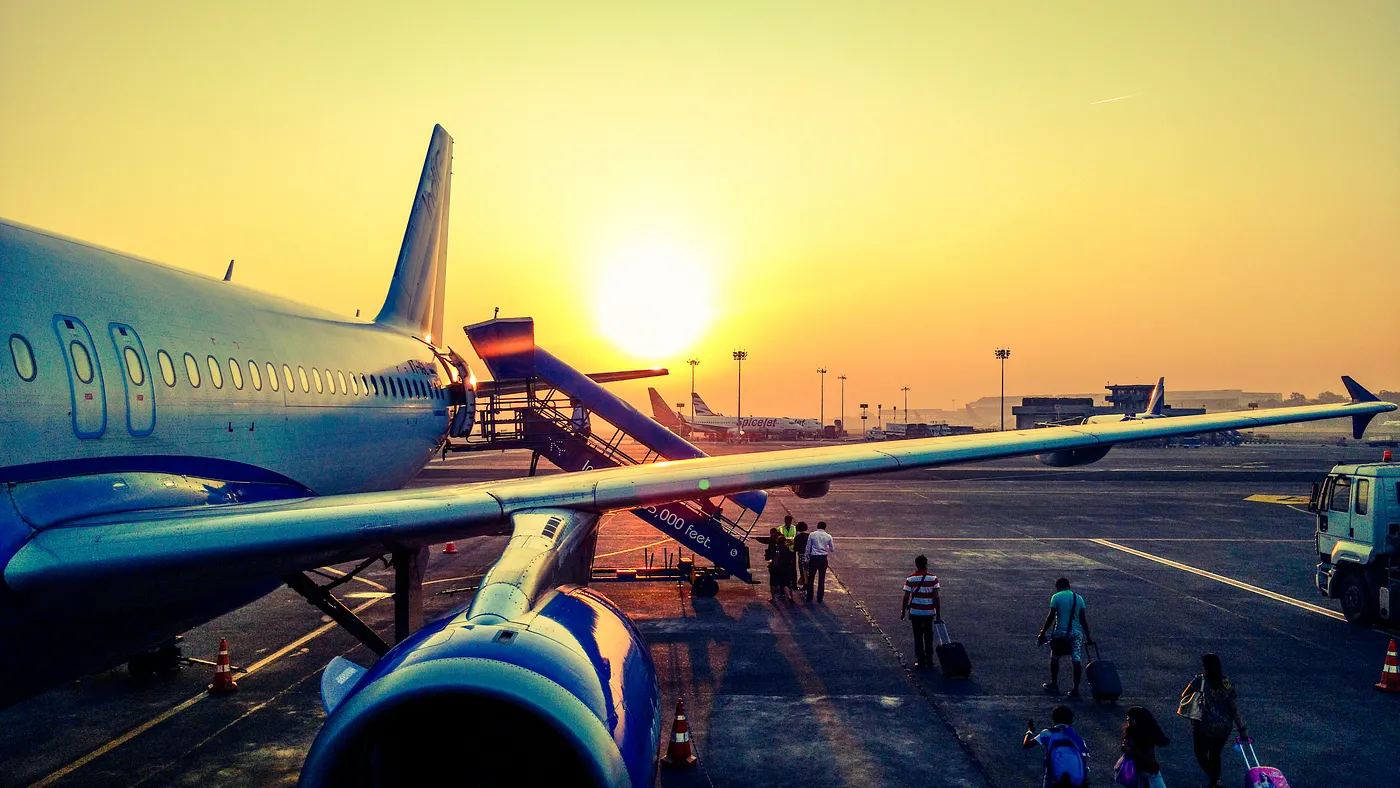
Seven hours. That’s how long my recent flight out of Brussels was delayed, with two young kids in tow. And yet, I walked away happy about it.
Let me skip back a bit. When I first moved to the Netherlands, I didn’t know how generous compensation could be for delayed transportation. My first experience was a delayed train trip (a seriously long delay) and my partner said, “Hmm, I wonder if we could get money back.”
My silly American self was like, “What do you mean?”
I am used to a system where buying a ticket (for a flight or anything) basically means you pay to check your rights at the door. Delays? Tough luck. Fend for yourself.
That’s what I was used to before moving to Europe.
Confusion
Since moving and finding out about it, I’ve used this travel “perk” exactly twice: that train trip and a flight back in 2022. Delays that long are rare, so that was it in over a decade…until this spring gave me a third chance.
The reality is that you never want travel to be disrupted. You’re packed and ready. You’re prepared for some delays. That’s just part of traveling.
But in the spring, I woke up to a cancelation notification the morning I was set to leave. A text told me that said I was rebooked on another flight at the same time, but the app showed that wasn’t true. Talk about confusion. After 40 minutes on the phone with a very helpful agent, he scrounged together seats for me and two kids on the smaller replacement plane.
All good, right? No.
When I arrived at the airport, I saw a five hour delay was just posted (which eventually turned into seven hours). The dread that I felt in that moment was overwhelming.
How would I occupy my two young kids for over 10 hours?, I thought.
But in my mind, the only glimmer of hope was the thought that, maybe, just maybe, I could get money back. Pretty please, make that be the silver lining from this experience, I thought.
Fast-forward through ten hours in the airport (which went surprisingly well thanks to a well-placed kids play area and a handful of food vouchers), and we were finally on our way, flying from Europe to the United States,
Silver lining
Now, back to the compensation rule.
The thing is that this rule doesn’t apply to delays caused by weather or other things outside the airline’s control. It also applies only to European airlines and all flights (no matter the airline) originating from Europe.
So, I was lucky that the delay was caused by mechanical issues, and that my flight was departing from Brussels, since I was flying on an American airline. I would always love to book European-based airlines, but sometimes you can’t pass up the best price, especially when traveling with a family.
This compensation rule also isn’t something they usually advertise.
Sometimes it is buried deep in the cancellation email. Or you have to take your own initiative to claim the reimbursement on the website. I’m guessing most people don’t claim it. Especially non-European travelers.
So, the big question is, did I get compensated for this delay?
I’m happy to report that I did. This is where I do my happy dance.

The EU wins on passenger rights
I originally paid for $630 each of three tickets and was compensated $1,000 in travel vouchers per ticket. I could have also opted for 50,000 airline miles or €600 cash per ticket, but I chose the vouchers since I’ll be flying the same airline this coming year.
That’s $3,000 in vouchers for tickets that cost me $1,890, so I basically came out $1,100 ahead with a free flight.
Was it worth seven extra hours in the airport with two children? That’s still up for debate, but I’ll take it. Especially since if this delay would have happened leaving the U.S., I would have gotten nothing.
Zip.
Nada.
In the U.S., a delayed flight gets you an apology, if you’re lucky. In Europe, it can get you real money back. I mean, if there is anything that the EU is undeniably doing right (and I can think of a few), it’s passenger rights.
And if you feel bad about making money off of something like this, don’t. I once talked to a steward on a rescheduled flight and he told me that an airplane in the airline’s fleet had a maintenance issue. They decided that our flight was the most cost-effective to cancel. So, it only makes sense that passengers should be compensated for the inconvenience, especially when the airline is thinking of it as a business decision, but to a passenger, it’s much more personal than that.
It almost makes you want to be delayed. Well, maybe not, but almost ….
So, what’s the takeaway?
If you’re flying in or out of Europe anytime soon, keep these in mind:
- Check who’s actually flying the plane. Compensation comes from the airline operating your flight, not the one you bought the ticket from. With codeshares, those aren’t always the same.
- Direction matters. Flights leaving Europe are covered no matter the airline. Flights into Europe are only covered if a European airline operates them. If you can swing it, flying a European carrier gets you protection both ways.
- Don’t wait for the airline to bring it up. If you land three or more hours late or your flight is canceled, look up the claim form yourself on the airline’s website.
Just remember that bad weather and other situations outside the airline’s control won’t qualify.
•••••••••••
See more about compensation for flights here in Dispatches’ archives.
Read more from Lane here,

Co-CEO of Dispatches Europe. A former military reporter, I'm a serial expat who has lived in France, Turkey, Germany and the Netherlands.