Moving abroad can be lonely – unless you know where to find your people. Luckily, there are plenty of ways to build your expat community in the Netherlands, whether you’re after casual coffee companions or deeper connections over shared passions. In this guide, you’ll find practical tips on where to meet like-minded folks and how to keep those new connections thriving.
Social media: Expat communities, outreach and proactive networking
Online platforms are a goldmine for meeting fellow expats. These people know what it’s like to be a newcomer and have already walked in your shoes, so they’re usually open to socialising. Join Facebook or Telegram groups, LinkedIn communities and Reddit threads tailored to your city, native language or interests.
Don’t just lurk – reach out, comment and engage.
Being proactive online often leads to real-life meetups, coffee chats or activity groups, helping you turn digital connections into genuine friendships.
Language
While English is usually enough to get by in most Dutch cities, learning Dutch – even at a basic level — makes a huge difference when it comes to proper integration. Joining a group class not only helps you pick up the language but also gives you the perfect opportunity to meet people in the same boat. Everyone in the classroom is figuring things out just like you, facing similar challenges and keen to connect.
Between group exercises, after-class drinks and the occasional shared struggle over stubborn grammar rules, friendships tend to form naturally. Many schools also organise cultural outings or social events, giving you the chance to practise Dutch while expanding your social circle at the same time.
If you’re brave enough to fully immerse yourself in mastering the language while going all-in on socialising, consider Bart de Pau – an intensive Dutch course camp for highly educated adults at a holiday park in Drenthe in northern Netherlands.
The fun part?
You study and live together with other students for 10 or 14 days and can only speak Dutch.
Try not to build a bond under such hardcore circumstances!
Co-working spaces
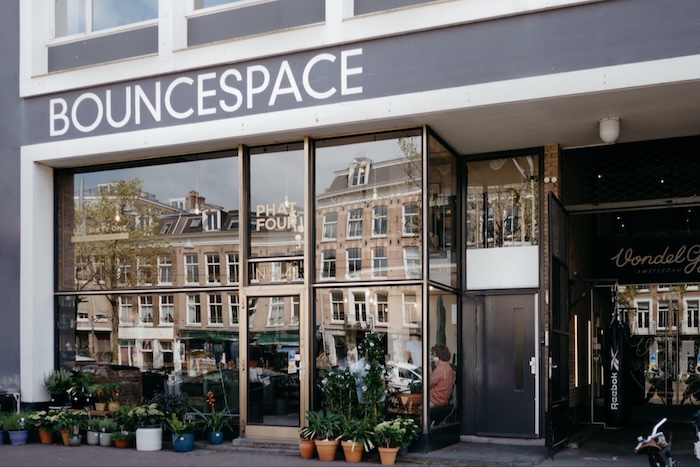
If you’re working remotely, coworking spaces can be more than just a desk with Wi-Fi – some of them are built for networking.
I’ve already rounded up some of the great coworking spots in Amsterdam for those who want to mix work with building community (check them out here), but the idea applies across the Netherlands. Whether you’re in Utrecht, Rotterdam, or Den Hague, joining a coworking space means you’ll quickly find yourself among freelancers, entrepreneurs and creatives who are just as open to collaboration as they are to conversation.

Shared hobbies and social clubs
Finding people who share your passions is one of the easiest ways to build new connections. From book clubs and cooking classes to photography groups and painting workshops, the Netherlands has meetups and clubs for almost every interest.
(Editor’s note: The Dutch tend to do everything in clubs, from biking to birding to driving their sports cars.)
For example, in Amsterdam you can meet strangers for coffee or breakfast with Kin and The Breakfast, or to use PlusOnes app to find activity partners across the Netherlands.
Cycling groups
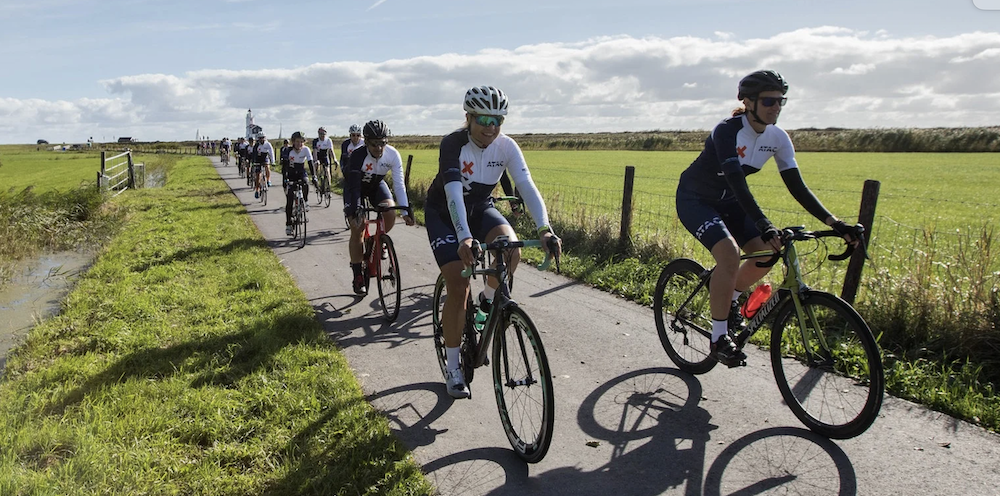
The Dutch take their cycling seriously, and joining a cycling group is a fun way to meet people while exploring your new city. Many cities have casual weekend rides, social cycling clubs or themed rides for beginners. Even if you’re not a hardcore cyclist, joining a ride can be a fantastic way to get to know locals and other expats in a relaxed, active environment.
A good place to start is your nearest bike store – they often organize regular rides or can point you to local groups. A tip for my fellow Amsterdamers: check out the free group rides organized by MAAP.
––––––––––
Read more about the Netherlands here in Dispatches’ archives.

Oxana Skibun
Oxana Skibun is a fashion and lifestyle editor who has crafted her stories for print and digital media outlets across Europe, the Middle East and Russia. Raised in Moscow, she now lives in Amsterdam, where she continues writing for international audiences.