
London, unsurprisingly, remains the United Kingdom’s most expensive city for renters, with average monthly rent at a rather eye-watering – and bank account-emptying – 2,695 pounds per calendar month.
Here are the 10 cheapest cities for renters in the UK, according to the latest figures from Rightmove, all of which have an average monthly rent that is under 1,000 pounds.

Hull
Average monthly rent per calendar month: 799 pounds
Also known as Kingston-upon-Hull, the East Yorkshire port city has a mix of old and new architecture, from the delightful Old Town to the futuristic aquarium, the Deep. The area’s main industry sectors include business and service, engineering, manufacturing, healthcare, leisure and tourism, and retail, as well as a strong civil service jobs market.
For history buffs, the Freedom Trail tells the story of the abolition of slavery, while Hull Minster is one of the region’s most impressive buildings. Beer lovers will enjoy the Ale Trail and the refurbished Hull New Theatre offers cultural experiences for all ages.
Joanna: “Hull is cheap and friendly. I got a remote London-based job, but thanks to direct trains, I can live cheaply up north in a four-bedroom house – and still have a city job. I probably couldn’t afford a flat in London.”
Carlisle
Average monthly rent per calendar month: 816 pounds
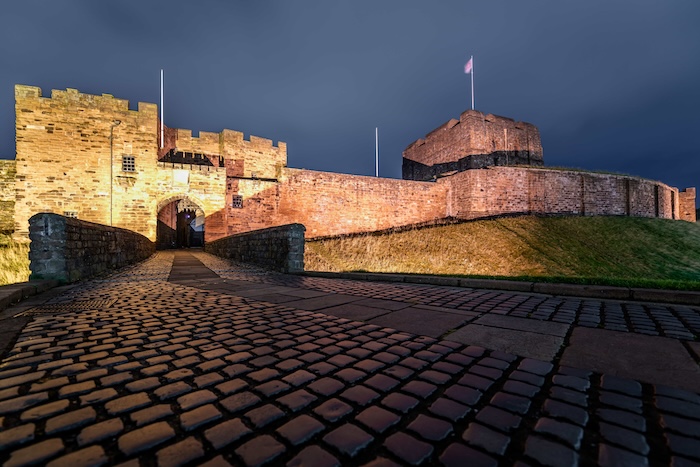
Carlisle, originally the Roman settlement of Luguvalium, is steeped in history and surrounded by nature, with reserves and rivers in easy reach. Health, retail, manufacturing and transport provide many local jobs, along with construction, digital services, hospitality and the civil service.
Located near the remains of Hadrian’s Wall, Carlisle offers plenty to do on weekends, including military and aviation museums, art galleries, walking tours and a historic cathedral. Independent shops and markets are great for a spot of retail therapy.
Luke: “The whole city has that stereotypical northern friendliness – I got to know my neighbours and I could walk from my student digs into the city centre in 15 to 20 minutes. And if city life gets too much, you can be somewhere wonderfully rural within minutes. On a clear day, you can see the Lake District.”
Wrexham
Average monthly rent per calendar month: 817 pounds
Wrexham, in North Wales, came to international prominence when Hollywood celebrities Ryan Reynolds and Rob McElhenney bought the football club. But even if you’re not a football fan, there’s plenty to love about this city that offers great access to Wales and northern England.
The main industries here are engineering, manufacturing, automotive components, healthcare and pharmaceuticals, along with a vibrant retail sector and civil service jobs. And on the weekend, the best of Wales with scenic countryside and historic Llangollen are nearby.
Alexia: “There’s no denying that the football club has created a buzz around the town, but I think people don’t realise there’s so much more than just Hollywood hype. Wrexham still feels like Wrexham. Locals have always taken pride in the town and our sense of community is fierce. New bars and restaurants keep popping up and I love attending local events. One summer highlight is definitely the Wrecsam National Eisteddfod.”
Sunderland
Average monthly rent per calendar month: 833 pounds
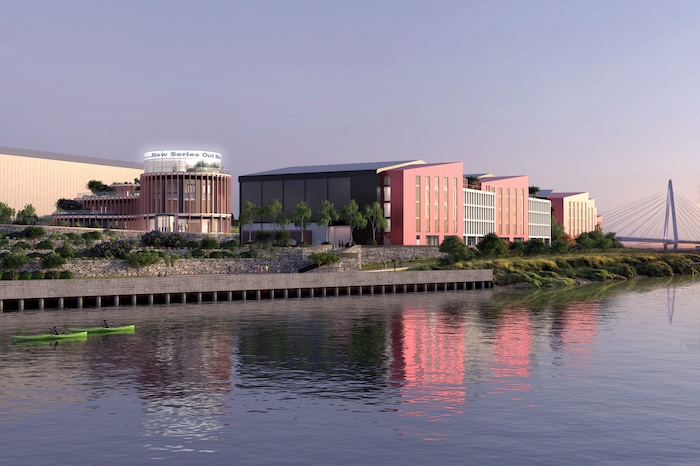
Sunderland, possibly best known for its football team and the Nissan factory, is set to offer more opportunities when the Crown Works Studios opens. This is expected to create around 8,000 jobs in the film industry. The area’s other main industries are financial and professional services, and creative and digital services.
Handy for some of the north-east’s most beautiful beaches, Sunderland has long made its mark as a cultural hub with theatres, music venues, a university and the spectacular National Glass Centre all drawing in locals, as well as visitors from further afield.
Stephanie: “I loved living in Sunderland. I loved working for the university where I was posted, the coastline is beautiful, and it was really nice and down-to-earth – freezing, but sunny!”
Alys: “The historic image of a gloomy post-industrial town couldn’t be further from the truth – and thankfully very few outsiders know about it yet. Being on the coast, Sunderland has the big open skies, the light quality, the fresh air and the coffee shops and restaurants you’d associate with the seaside, but without the crowds or the exorbitant prices. There is an underlying but undeniable feeling of optimism and hope in most people who live here.”
Stoke-on-Trent
Average monthly rent per calendar month: 862 pounds
Since 1910, the city has been made up of six merged towns – Tunstall, Burslem, Hanley, Stoke-upon-Trent, Longton and Fenton – and is known as The Potteries, thanks to its long history of ceramics production. These days, the city’s main industries include manufacturing, logistics, life sciences, energy, and creative and digital.
One of the main attractions is The Potteries Museum & Art Gallery, along with Trentham Monkey Forest for outdoor family fun with barbary macaques, the New Vic Theatre, the Museum of Horrors, Wetley Moor Alpacas, and the Foxfield Steam Railway.
Sally: “The Staffordshire Moorlands part is pretty. The city might not be quite as picturesque, but the people are the nicest you’ll ever meet. I don’t live there now, but I do pop back quite a lot for the lovely walks in the moorlands and the fresh air.”
Bradford
Average monthly rent per calendar month: 876 pounds
Bradford has a robust economy, with head offices for Hallmark Cards, Morrisons, Yorkshire Water and Yorkshire Building Society all in the area. Major industries in the Bradford area include engineering, automotive components, chemicals, food manufacturing, financial services and digital technologies.
History buffs will love Bradford Industrial Museum, which focuses on textiles, engineering and the steam power era. A popular drawcard is the National Science and Media Museum, with its own IMAX cinema, as well as photography, film and TV exhibits. Lister Park’s boating lake is popular on sunny days, while Cartwright Hall art gallery has a space dedicated to renowned artist David Hockney.
Abigail: “If you like meeting people from around the world, Bradford’s great. Our neighbours keep bringing us food. The city centre has been pedestrianised really nicely, there are good museums, the largest stage in Yorkshire at the Alhambra, a beautiful new market, and a UNESCO World Heritage site nearby in Saltaire. There’s a lot for the kids to do and a new music venue is opening soon. The countryside is accessible by train, plus it’s very cheap to live here!”
Dundee
Average monthly rent per calendar month: 885 pounds
Dundee sparkles on the shores of the mighty River Tay and has a long ship-building and jute-weaving heritage. These days, the economy has diversified and modernised with a focus on technology, creative and digital industries, and life sciences.
The V&A’s Scottish outpost overlooks the Tay and is one the city’s main attractions. Since 1935, people have been stargazing from Mills Observatory, while the Dundee Science Centre is popular with all age groups. One of the prime green spaces is Camperdown Country Park, a verdant haven three miles from the city centre.
Mary Jane: “Dundee has an all-night bakery, which is a very valid pro point! It is the only south-facing city in Scotland, therefore the sunniest, as well as being the home of the Beano magazine. There are amazing sunsets over the River Tay, it’s an excellent gateway to the rest of Scotland – and we see pods of dolphins every summer.”
Doncaster
Average monthly rent per calendar month: 893 pounds
Advanced engineering and manufacturing, rail and aviation keep Doncaster’s economic engine running, while new opportunities are being developed in professional and administrative services, as well as creative, digital and technology sectors.
Doncaster is in easy reach of outdoor attractions, such as Yorkshire Wildlife Park and Clifton Park. Historic attractions include Conisbrough Castle and Cusworth Hall Museum. There’s a vibrant cafe culture, a good range of restaurants, and beer lovers will enjoy a tipple at Doncaster Brewery.
Kellie: “Property is cheaper here than so many other parts of the UK and there are some lovely villages to settle in. Doncaster Market is a city centre highlight and weekly must-visit for ridiculously good value on brilliant fresh fruit, veg and fish. It gives London’s Borough Market a run for its money, I promise. And I can be in London via train in 1.5 hours and many other places in 45 minutes or less, such as Sheffield, Leeds, Hull, York and even the seaside.”
Lancaster
Average monthly rent per calendar month: 964 pounds
At the height of the Industrial Revolution, shipbuilding and the manufacture of candles, sailcloth and rope kept Lancaster going. But these days, you’re more likely to meet someone working in manufacturing, aerospace, medical technology, energy or academia.
With beautiful countryside and the stunning Morecambe coastline in easy reach, it’s a top spot for enjoying the great outdoors in your downtime. The city streets are bursting with history and independent shops, cafes, bars and restaurants, and you’re spoiled for choice when it comes to performing arts and music venues.
Charlotte: “It’s a great place to bring up kids with lots of activities to do with young children, it’s close to Morecambe for the seaside, it’s close to the Lake District. Williamson’s Park, with its incredible views, is my favourite place. It’s only two-and-a-half hours on the train from London.”
Preston
Average monthly rent per calendar month: 986 pounds
The old cotton and textiles hub is now home to an economy that has diversified to include education, retail, transport, aerospace and administration. It is hoped that new hotel and central business district developments will help boost the city into the future.
Preston city centre offers diverse indoor entertainment, including museums, climbing and exhibition spaces. When the weather is better, the parks, gardens and trails – or the 21-mile Guild Wheel cycle path – might appeal. The heritage steam train ride at Ribble Steam Railway is another popular weekend activity.
Anna: “We’re 25 minutes to the coast, an hour from Manchester, you can be in London on the train in two-and-a-half hours, and The Lakes are less than an hour away by car or train. Preston has lots of big parks; there’s countryside nearby; the city centre is being redeveloped with a new cinema complex and The Harris art museum is reopening this year. I’m a wedding photographer and find it easy to travel to lots of venues across the north.”
–––––––––––
Read more about the United Kingdom here in Dispatches’ archives.

Georgia Lewis
Georgia Lewis is an Australian expat who spent five years living in the United Arab Emirates before moving to London in 2011. She is a freelance writer and editor. When she's not writing or editing, she loves cooking, trying new restaurants, going to the theatre and travelling. Her favourite destinations are the Greek islands, Mallorca, Oman and Vietnam.