The headline effects of the Iran War are global political and economic instability, with the Middle East ablaze and fuel prices through the roof. But travel for leisure and relocation is being negatively impacted, too. For the time being, the war has turned tourists and expats alike off the Eastern Mediterranean, the Arabian Gulf, and even Southeast Asia. This situation will pile more pressure onto European tourism, in particular, over the coming months.
When the United States and Israel launched their joint attack on Iran at the end of February, killing the country’s supreme leader Ali Khamenei, there was a widespread expectation that the Iranian regime would fall within weeks, if not days. Yet, this scenario hasn’t come to pass, and we’re facing the prospect of an indefinite continuation of hostilities.
The world economy is spiralling towards disaster as a result, with the full effects of embargoes on top of the closing of the Strait of Hormuz yet to be felt because various countries have turned to their preexisting oil reserves in desperation. But some of the most immediate damage has been done to the tourist industry, as luxury destinations across the Arabian Gulf have suddenly turned into war zones.
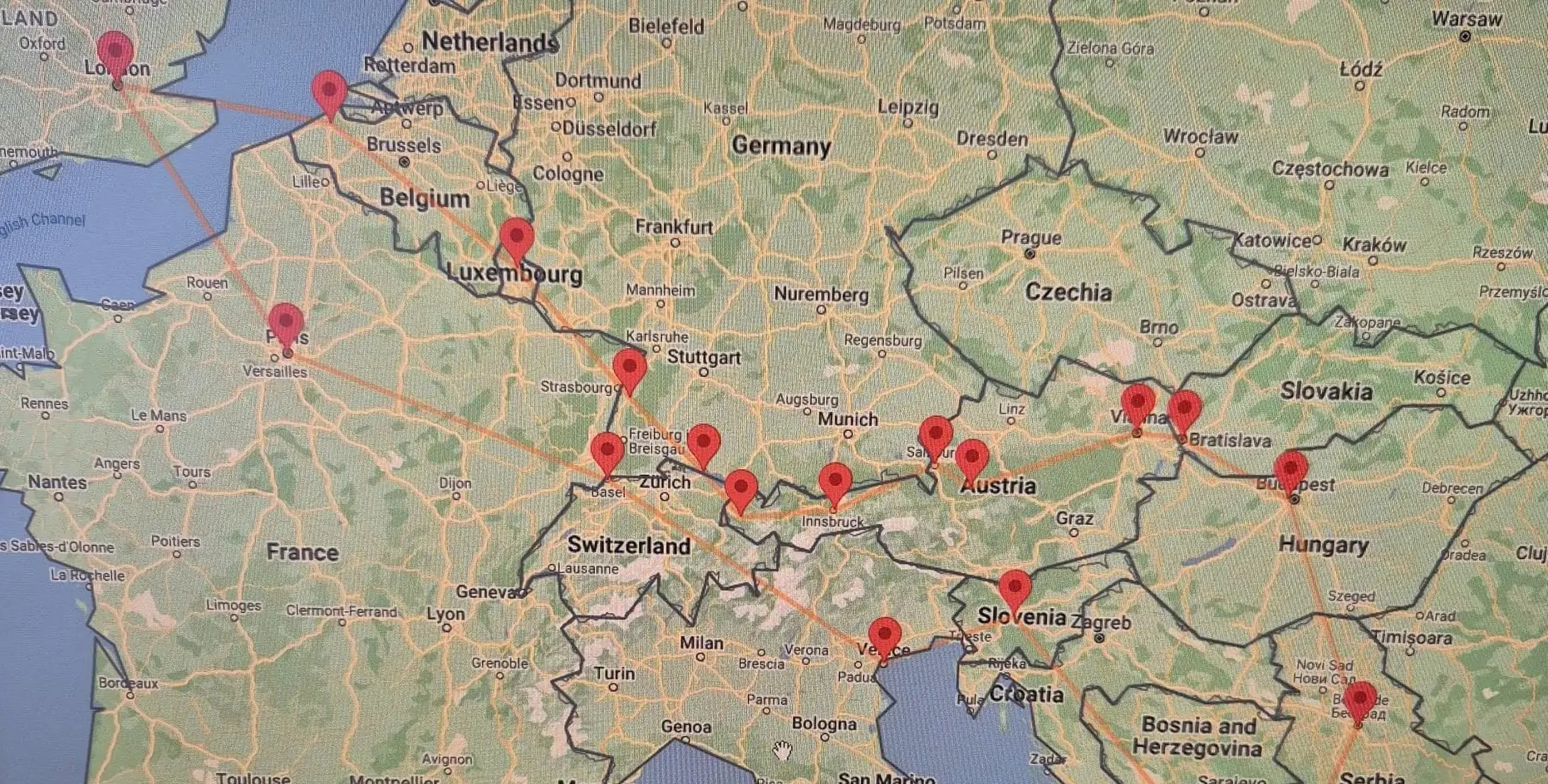
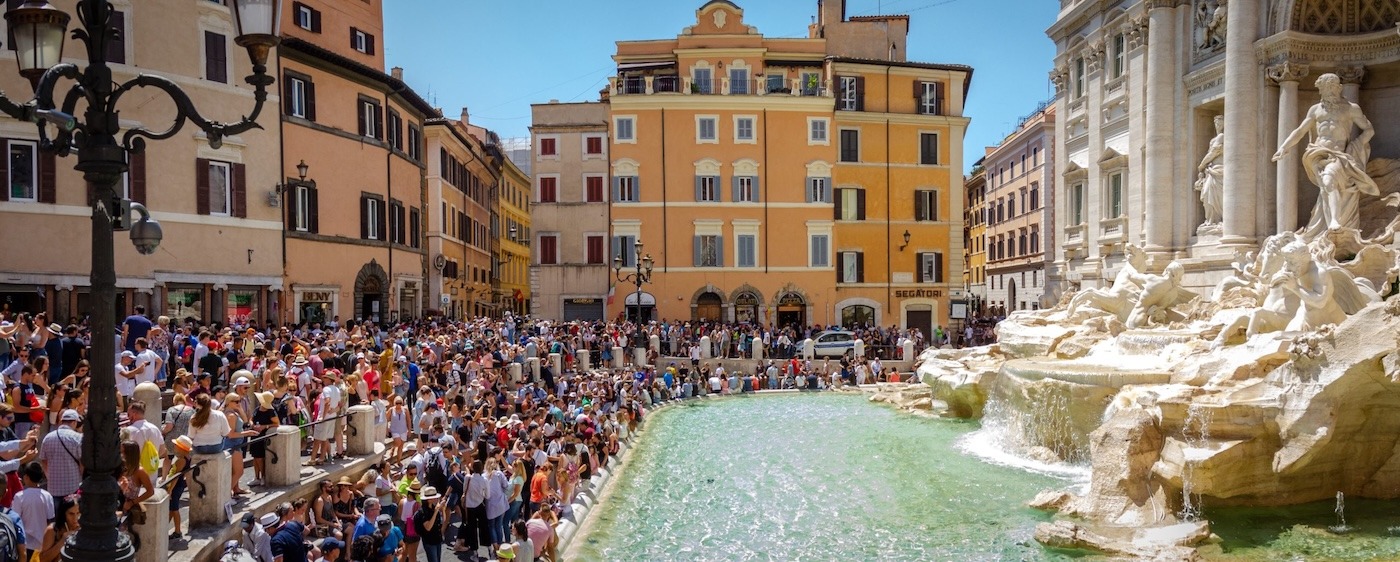
In fact, the repercussions of the Iran War on tourism extend eastward across Asia, and westward into the heart of Europe. For the bulk of the European continent, it will likely mean a summer of unprecedented tourist numbers for countries already struggling to balance holiday rentals with housing for locals.
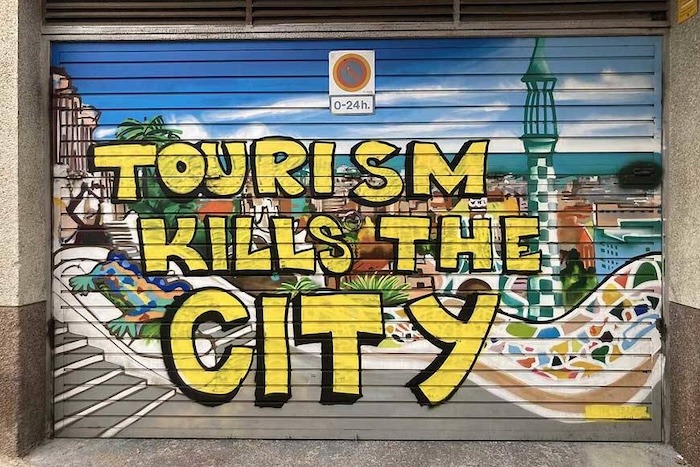
Europe was already heaving with tourists before the war
Overtourism has been a major theme of politics in Southern Europe in recent years. The likes of Spain and Italy have brought in restrictive regulations to try and stabilize the local economies of travel hotspots hit by housing shortages, overcrowded public spaces, environmental damage and price hikes. But even places which have managed to overcome overtourism, such as Croatia’s resort town Dubrovnik, will struggle to keep up with demand this year.
The Iran War is killing thousands of helpless civilians, endangering millions more, and will push household bills to untenable heights for countless families around the world. In this context, perhaps we shouldn’t complain too much about the knock-on effects it will have on European tourism. But there’s little question it could exacerbate a situation that was already close to breaking point, for European residents and vacationers alike.
Even destinations in the Eastern Mediterranean have felt the reverberations of the war, with Cyprus suffering long-range strikes from Iran, and Turkey facing flights of capital driven by the oil crisis, and vacationers put off by the country’s proximity to danger. Southeast Asia has also been dragged into this quagmire, given that the Gulf services most of the transits and flight paths for Westerners travelling to Thailand, Vietnam, Indonesia and Malaysia (via Fortune).
But holidaymakers aren’t just going to stay home this summer, especially if they’re within the higher income brackets that tend towards the Gulf and Southeast Asia for their vacations. According to The Guardian, many are already rerouting their travel plans to somewhere farther west, setting up possibly the busiest summer yet for certain destinations in Europe.
The Iran War isn’t ending anytime soon
Donald Trump’s role as an agent of chaos on the international stage has never been more pronounced than it is in relation to this war, which he waded into without any real strategy, or thought for its far-reaching global consequences. As Reuters reported on March 11, Trump has spent the initial stages of the conflict telling the world it will end “soon”.
But the longer it continues, the more unlikely a swift and definitive resolution to the war is becoming. For its part, the Iranian regime is digging in, fighting for its survival, and leveraging its control of the Strait of Hormuz to hold the world economy to ransom. As CNN correctly asks, if the war is heading for a quick and easy American victory, why is Trump desperately pressuring governments he detests to support his military campaign?
The truth is, Trump has got the United States entangled in a military conflagration that shows no sign of abating anytime soon, and from which it will struggle to remove itself. The U.S. has tied its colors to the mast of an Israeli regime hellbent on fighting Iran to the end, with the personal future of Benjamin Netanyahu a significant factor in the equation.
Likewise, the current Iranian regime knows that submitting to a ceasefire on American terms will essentially guarantee its extinction, which explains why it’s bullishly refusing even the possibility of talks at this stage. What’s more, every civilian killed and residential or public building destroyed pushes more and more Iranian citizens into the arms of a regime many of them despise. The Donald couldn’t be further from his campaign promise of “no more forever wars” than he is right now.

Gulf destinations are off-limits, and even Asian tourism is suffering
This war has transformed the fortunes of several Gulf states literally overnight, with the United Arab Emirates first in the firing line. The sight of hotel blocks on fire along the coast of the Arabian Gulf has turned a seaside paradise into a place where no one is safe. As well as a luxury holiday destination for the rich and famous, Dubai is a hotspot for Baby Boomer digital nomads, thousands of European and American expat workers, and hundreds of high-rolling investors.
Virtually every other Gulf destination has been targeted by Iranian missiles, too. Oman is no longer the region’s best-kept secret for those with enough millions to afford it, while Saudi Arabia’s plan to become the world’s next great tourist haven lies in tatters. Oxford Economics predicts that 27 percent of projected Gulf tourism revenues for 2026 have already been wiped out.
A protracted continuation of the conflict could potentially destroy the status of these states as travel destinations altogether.
–––––––––––

Alex Beaton
Alex Beaton is a writer from London, UK. His published works include a guide to starting a business in Warsaw, a fictionalised account of his time living in Egypt, and a 2013 report of the political situation in Bulgaria. He has also written extensively about his travels in France, Portugal, Italy and Malta.