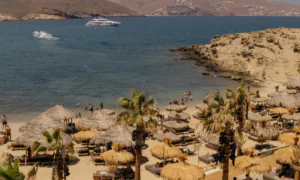

When it comes to European travel destinations, few places smack of unattainable luxury quite like Sardinia. Since the early 1960s, this Mediterranean island has been a go-to vacation spot for the international Jet Set, who park their superyachts and private jets beside the white sand beaches and manicured fairways of the Costa Smeralda.
Yet, Sardinia isn’t just the preserve of the super wealthy. It’s also one of the best Italian islands to visit on a budget, as long as you know where to go. It isn’t easy to plan an affordable trip there, given that almost all of what’s advertised is aimed squarely at those for whom money is no object, and flight prices tend to reflect its reputation for exclusivity. Nevertheless, there are countless ways to have a Sardinian holiday that’s actually cheaper than most similar alternatives, and far more enjoyable than spending your summer in a gatekept resort among the global elites.
Nicknamed the “Island of the Nuraghi” because of its thousands of prehistoric stone towers, Sardinia boasts one of the Mediterranean’s oldest cultures, as well as a cuisine famous across Italy for its abundance of local ingredients rich in flavor. It’s home to some of Europe’s top beaches, and has been named the continent’s best beach destination for 2026 by Travel + Leisure. In fact, Sardinia has a whopping 751 beaches in total, most of which are nowhere near the Costa Smeralda.
It’s actually one of the least expensive Italian regions for local food and drink, and offers various seaside accommodation options comparable with European destinations prized for their exceptional value.
Here are four tips for making the most of Sardinia without breaking the bank:
Book local – away from the high-end resorts
If there’s one absolute must when doing Sardinia on a budget, it’s avoiding the island’s luxury hotspots altogether.
This step is surprisingly easy to take, since these hotspots are concentrated in very small sections of one of Europe’s longest coastlines. The Costa Smeralda – especially its central resort town Porto Cervo – is a no-go. As Forbes reported last year, one $185 million compound in the area is the most expensive home in Italy. Then there’s Porto Rotondo and Golfo Aranci, in the same northeastern part of the island, as well as the island of La Maddalena, the southern resort town of Santa Margherita di Pula.
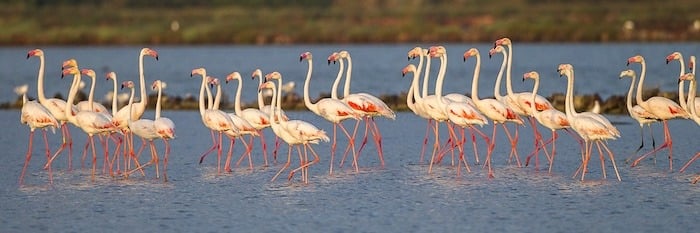
In truth, you’re not missing out on as many special vacation experiences as you’d imagine by avoiding these locations. Most of Sardinia’s natural beauty spots, such as Cala Goloritzé beach, Capo Testa, the Oasi Bidderosa, Gorropu Canyon, and Asinara National Park with its famous white donkeys, are elsewhere. When my wife and I visited the island, we stayed in Cagliari’s Quartu Sant’Elena, close to the Parco del Molentargius, which is home to one of Europe’s largest populations of wild flamingos.
Particularly in built-up areas along Sardinia’s coast, it’s easy to find an AirBnB for a very good price. Or you can go one better, and use HomeExchange or a similar homeswap service to find a place for free, as we did. Our host’s apartment was nestled in the heart of Quartu Sant’Elena, 20 minutes’ walk or a short bus ride from the island’s longest beach (which was known almost exclusively to locals), and surrounded by an array of places to eat and drink.
Go after peak season is over
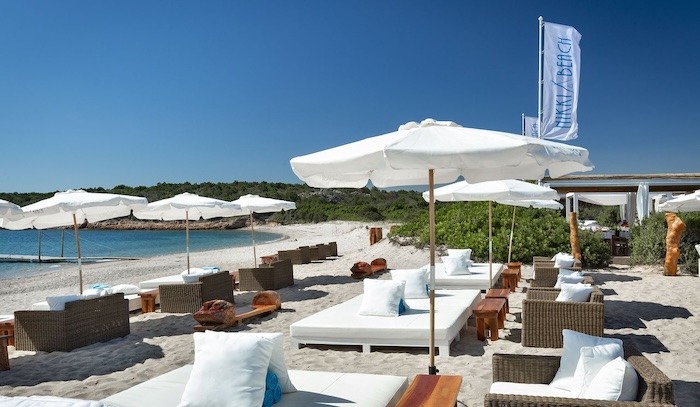
The second way to keep your trip to Sardinia affordable is to plan your trip for when the island’s peak tourist season is over. For one thing, temperatures between June and August regularly top 40°C, and the beaches are packed with vacationers and locals alike.
September and early October, on the other hand, tend to experience temperatures in the high twenties and low thirties, while remaining mostly dry, with the sea at its warmest and most docile. You’ll also find local beaches virtually empty, and charging half the price of the previous months for daily sunbed and parasol rentals.
Sardinia offers a genuine escape from the hustle and bustle of daily life once its peak tourist season is over. Sardinians are delighted to see you embracing their culture outside of the crowded summer months, and everything about the island – from the beaches to the pasticcerias – can be experienced in comfort and tranquility.
Read about food and drink beforehand
If travelling around Europe turns you into a food snob, then Sardinia will make you a true connoisseur of authentic Italian cuisine. Those from the country’s mainland know the island as a center of high-quality fresh produce and hearty, flavorful dishes drawing on its abundance of agriculture and fishing alike. Most traditional Sardinian food is remarkably inexpensive.
Local restaurants, trattori, and agriturismi serve homecooked food superior to almost anything you could get in a luxury resort, for a fraction of the price.
Most beach bars serve large portions of fresh fish and seafood from their catch-of-the-day selections throughout the day at standard European prices, while every town or village is dotted with pasticcerias making their own bread, delicious pastries, and fresh pasta on a daily basis.
We also enjoyed an unbeatable, full-size margherita pizza for just 4 euros from the local pizzeria. Even fine dining experiences with coastal sunset views, serving delicacies such as Sardinia’s famous octopus, fly in the face of the island’s reputation as an overpriced haven for the elite – as long as you keep in mind this article’s first tip.
There are too many local specialities worth trying to mention here when it comes to Sardinian food or drink, but a few of them are particularly non-negotiable. The island’s world-renowned pecorino cheese in all its varieties puts other regional Italian varieties to shame, and goes perfectly with traditional sardu sausage.
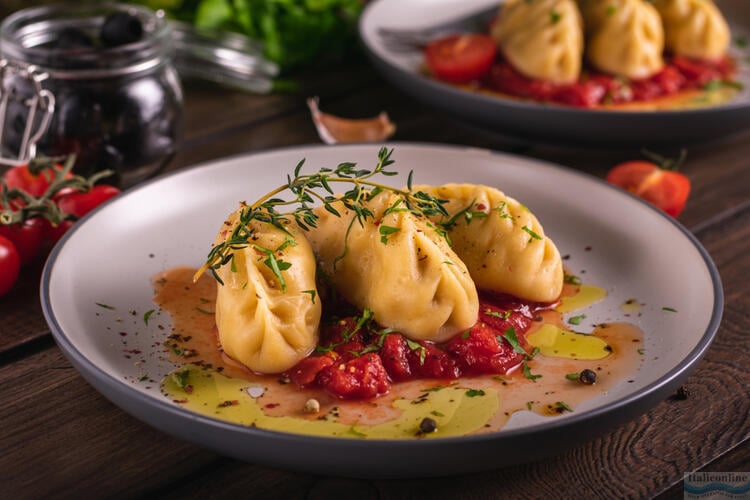
Culurgiones are delicious pasta dumplings typically stuffed with potato, pecorino, and mint. Fresh versions of this dish can be found in most supermarkets for as little as two euros, in addition to their pride of place on restaurant menus. You may as well pick up some Cuscinetti Croccanti, an incredibly moreish semolina based snack, while you’re there.
Sardinian wine is some of Italy’s most celebrated, with almost 20 different DOC designations in the region. Thanks to a winemaking heritage that goes back thousands of years, the island continues to make wine with one of the world’s oldest grape cultivars, the Cannonau, . and its Vermentino are similarly iconic. As well as wine, Sardinia is home to Italy’s best beer, Ichnusa (go for non-filtrata for the full flavor). If that isn’t enough to sort you out, then try a mirto spritz, made by mixing prosecco with the island’s traditional myrtle berry liqueur.
Ask for recommendations from those who live there
Because we were lucky enough to be staying at the home of a native Sardinian, we were able to take advantage of some great local recommendations, from Quartu Sant’Elena’s fresh food market to a cafe serving the best ice coffee we’ve ever tasted. But it wasn’t just our host recommending trip highlights. Sardinians in general are warm and welcoming all-round, and are only too happy to point you in the direction of the best local food, drink, or beauty spot.
It’s also worth looking out for local events, either before you travel, or when you’re in Sardinia. We were lucky enough to happen upon a “Blues and Beer” festival populated entirely by locals, which served up the island’s finest craft beer, barbecued meats, and Italian blues and punk music. There’s so much more to this wonderful island than what the super-rich make of it, as long as you’re willing to look a little further afield.
–––––––––––
Read more about Sardinia here in Dispatches’ archives.
See more from Alex here.

Alex Beaton
Alex Beaton is a writer from London, UK. His published works include a guide to starting a business in Warsaw, a fictionalised account of his time living in Egypt, and a 2013 report of the political situation in Bulgaria. He has also written extensively about his travels in France, Portugal, Italy and Malta.