

Even if you’ve already been living in the UK for years, you may never have had to sign a lease. After all, many Americans come to the United Kingdom as students, or live with friends or partners, and are added on to a pre-existing lease. Some even stay with friends or family who already own their homes. Sooner or later, though, the odds are that you’ll need to sign a lease – either on your own or with a partner or roommate. Before you put pen to paper, you should know what you’re getting into.
Whether you’re just starting the process of looking for a place to live, actively working with a realtor, or “lettings agent” as they’re known in the UK, or are looking over paperwork at this very moment, here are some of the most important things you’ll want to know before you sign your first UK lease:
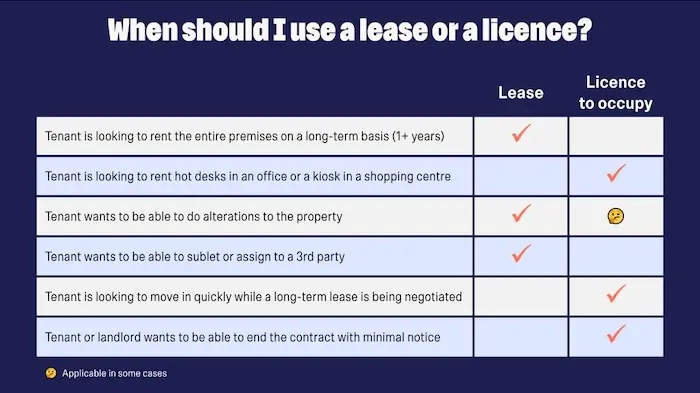
Lease or license?
“But wait,” you might be thinking, “I had a lease in my student hall, I already know about leases … don’t I? That was a lease, wasn’t it?” Well, maybe, but maybe not. Living in student accommodation, or with a live-in landlord, often means becoming a “licensee,” rather than a tenant with a lease.
Under UK law, licensees are distinct from tenants, and have a different set of rights and responsibilities.
Licensees have fewer rights when it comes to things like evictions, but also have more freedom to break the contract.
This is why licenses, as opposed to leases, are a popular choice for dorm-style student housing.
Read the fine print
Leases in the UK can be highly varied, with some including full or partial utilities, and some properties being leased fully or partially furnished. Be sure to read over the terms of your lease carefully, so that you don’t end up with utility bills you hadn’t budgeted for over your first month in your new home. You should also be sure that your landlord provides you with proof that your security deposit is placed in a Tenancy Deposit Protection (TDP) scheme within 30 days of your paying it; this is a legal requirement, and ensures your deposit can be returned at the end of your tenancy, minus any repair costs.
Income requirements
If you’ve ever rented an apartment in the United States, you’re probably used to requirements for income levels, with tenants often required to earn three times the rent per month. Landlords in the UK also have income requirements, although generally not as high as three times the monthly rent. To prove your income, you’ll need to provide pay stubs from your employer, and/or a tax return. If you’re working with an agent, they can advise you on income requirements for any given property you’re considering, but if you’re looking on your own, be sure to speak to your potential future landlord about what they’ll want from you.
If you don’t meet the income requirements on the property you want, you may be able to get the landlord to agree to your renting with a guarantor signing for you. However, the guarantor will almost certainly have to be a UK resident themselves, so friends or family in the United States won’t qualify.
Passing your ‘right to rent’ check
Under British law, only those who are in the United Kingdom legally have the right to rent accommodation. This means that your landlord will need to run what’s known as a “right to rent” check on you if you’re not a British citizen. This is a simple check, conducted online, to make sure you have a valid visa or Indefinite Leave to Remain, or ILR. All you’ll need to do is to provide what’s known as a share code. You can access this online, through Gov.uk, and pass it along to your future landlord. It will be available through the same account you used for your visa application and relevant paperwork. The landlord will then check that you have the right to live in the UK, and to rent accommodation.
Moving day?
It’s likely that, be it one year from signing your lease or four, you’ll want to move out, either to a different rental, a purchased home, or another city or country entirely. While it may seem premature to think about this before you’ve even signed a lease, that’s actually not a bad idea— and what you decide might influence what kind of lease you want.
In the UK, as in the US, if you break a lease before your term is up, you risk being held responsible for the remaining rent payments for the rest of the lease. However, many landlords are willing to provide what’s known as a break clause in the lease, which allows you to terminate early, provided you give notice, usually of one or two months. Bear in mind, though, that break clauses typically only kick in after a set amount of time, say, six months into a year-long lease. You should also be aware that break clauses are frequently mutual, meaning the landlord can give you notice in the same manner.
If you don’t have a break clause, many landlords will allow for you to arrange for a tenant to take over the remainder of your lease, meaning that you don’t have to pay the remainder if you can find someone to move in after you’ve left. The new tenant will also have to pass the right to rent checks and meet the income requirement.
Once you’re read your lease in full, and agreed to any adjustments with your landlord, go ahead and sign! Be sure to keep a copy to hand in case of any disputes or questions from either you or your landlord.
Good luck, and happy moving!
–––––––––––
Read more Expat Essentials here in Dispatches’ archives.

Ellery Weil
Dr. Ellery Weil is a writer and historian based in London. She was born in Washington, DC, raised in Maryland, and attended undergrad in Ann Arbor, Michigan, before moving to the UK to attend grad school at University College London, where she earned her PhD in History. She lives in London with her husband, where you can find her writing, reading, petting dogs in Regent's Park, and exploring the city's antique markets.