
As an expat, you’ve almost certainly been following the lead up to the 2026 midterms in the United States. But what about elections in the United Kingdom. The recent by-election in Makerfield and the upcoming one in Clacton may have you wondering.
If you’re a citizen of the UK or of certain commonwealth nations, you may be able to vote in an upcoming election.
But how does voting in a UK election work? Do you need to be a member of a political party to vote? How often are elections held? And what do UK political campaigns look like? Well, as with all things that mix politics and bureaucracy, it can get a little bit complicated.
That’s why below you’ll find a guide to understanding, preparing for and (potentially) voting in the United Kingdom’s elections:
Can I Vote in the UK?
First things first: can you actually vote in UK elections? The answer is more complicated than you might initially think. If you’re a UK citizen over the age of 18 (possibly soon to be lowered to age 16), you’re eligible to vote in UK elections. But it’s not only UK citizens who potentially have a vote.
Under UK law, citizens of the Republic of Ireland and Commonwealth citizens who are resident in the UK can vote in UK elections.
If you’re based in Scotland or Wales, the franchise is broader for local elections: all legally resident foreign nationals aged 16 and up may register to vote in local elections. That includes US citizens on resident visa types including work, student or family visas.
That’s one other thing to be sure of before Election Day: even if you’re legally eligible to vote, you’ll need to be sure to register! Otherwise, even if you turn up at your polling place, you won’t be able to cast your ballot.
When is the next election?

By law, the Prime Minister must call for a General Election every five years with the next one slated for 2029, although they are allowed to call for one sooner than that if they choose. However, that’s not the only time there might be an election happening somewhere in the UK. Elections that happen in between terms are known as “by-elections.”
Similarly to special elections in the US, by-elections take place in order to fill an unexpectedly vacant seat. For example there was a recent by-election in Makerfield because the MP for Makerfield unexpectedly stepped down which triggered an election for his seat. Sometimes, when multiple seats become vacant close together (for instance, if one MP resigns due to poor health, another due to political pressure and a third unexpectedly passes away), multiple by-elections will be held at the same time. That is a phenomenon closer to the US midterms. A helpful book about influential by-elections of the past 250 years is Iain Dales’ British By-Elections.
If you’re in a district that’s holding a by-election, you’ll be informed. Usually via mailed leaflets from your local council. You may also receive flyers where the candidates will share their positions and make the case for your vote. In fact, due to the small size of UK constituencies, don’t be surprised if you also receive an in-person visit from one or more of the candidates themselves. These can be great opportunities to ask them about their platforms and make your preferences and priorities known.
Where’s My Polling Place?
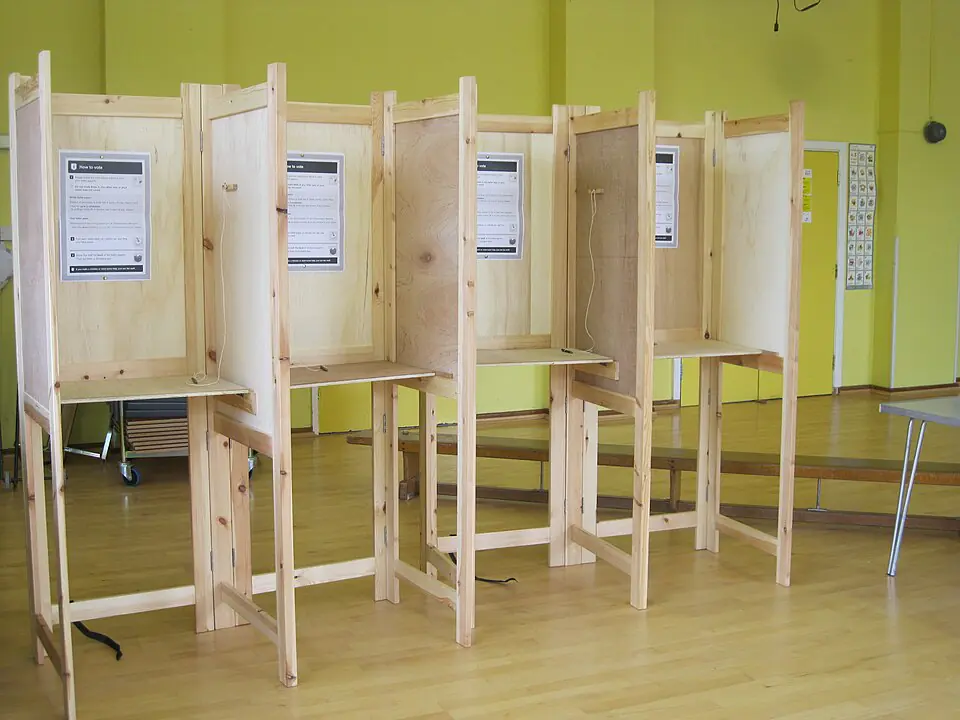
Now, what if you can vote in an upcoming UK election, have registered and marked the election date on your calendar but you don’t know where the polls are? Once again, Royal Mail to the rescue! Before the election you’ll be sent a polling card which will tell you where your polling place is. Don’t rely on signs on election day; even if there are multiple polling places in your area, you can only vote at the one you’ve been assigned.
Remember, you will need to bring a photo ID to your polling place when you go to vote. Generally speaking, a valid passport from an eligible country is suitable as a photo ID for elections but there’s a wide range of eligible ID forms you can choose from.
What About Absentee Voting?
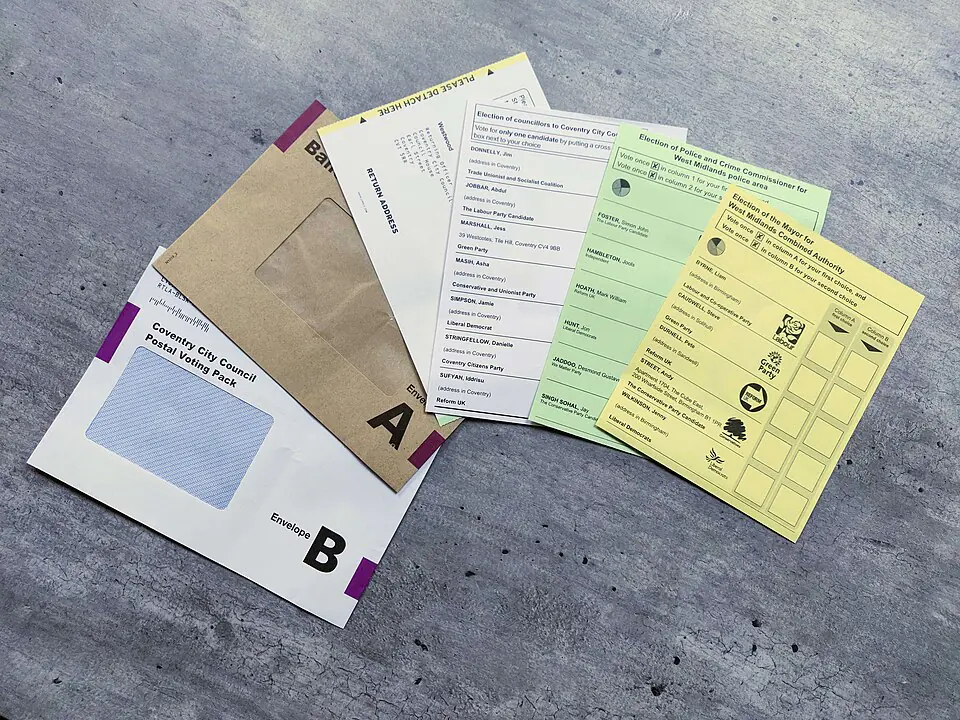
Wherever your polling place is, it’s entirely possible that you won’t be able to vote in person on election day. Whether you’re going to be traveling, can’t get away from work while the polls are open or any other issue that may arise, it’s good to know the protocols for absentee voting in the UK.
One of the most popular forms of absentee voting in the UK is the same as in the US: voting by mail or postal voting. You’ll need to apply in advance for postal voting although you are allowed to mark yourself for postal voting for a three-year period, to avoid excessive repeat applications.
The other form of absentee voting in the UK is one that has no US parallel—voting by proxy. This is where you appoint someone else to vote on your behalf. Proxy voting is far less popular than voting by mail and can only be done under specific circumstances, so be sure to check if you’re eligible before you apply.
While the UK doesn’t have mandatory voting, participating in elections is a civic responsibility, and a great way to make your voice heard. However you plan to vote, and whoever you plan to vote for, enjoy voting in your next UK elections!
**********
See more about the UK here in Dispatches’ archives.
Read more from Ellery here.

Ellery Weil
Dr. Ellery Weil is a writer and historian based in London. She was born in Washington, DC, raised in Maryland, and attended undergrad in Ann Arbor, Michigan, before moving to the UK to attend grad school at University College London, where she earned her PhD in History. She lives in London with her husband, where you can find her writing, reading, petting dogs in Regent's Park, and exploring the city's antique markets.