(Editor’s note: This post on Vern robotaxis is part of Dispatches’ Tech Tuesday series. Dispatches covers tech because so many of our highly skilled internationals are engineers and entrepreneurs.)
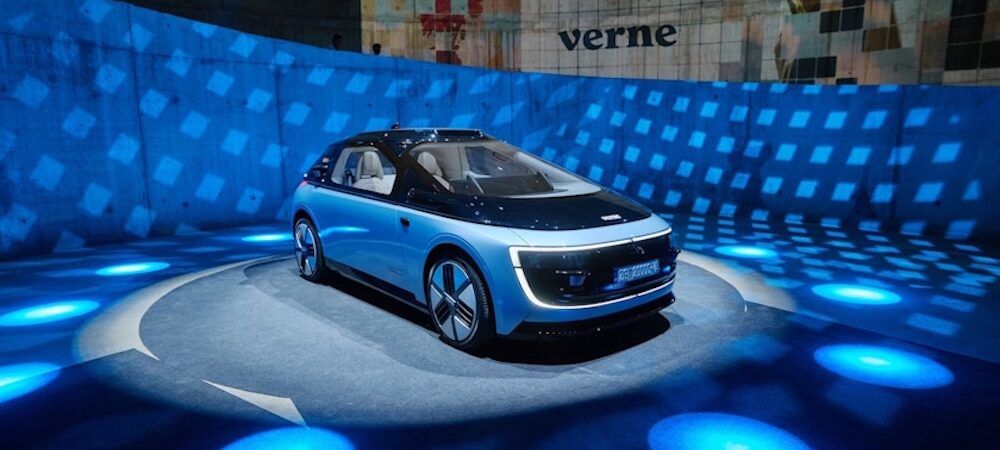
Not too long ago I wrote about Verne, a company working in close cooperation with Croatian entrepreneur Mate Rimac, which has designed and built robotaxis. As I reported back then, few could have expected such a sci-fi-esque move to be made in a central European country with zero automotive industry to speak of outside of Rimac. But it’s true … the first robotaxis taking you autonomously around cities will be made not in Germany, France or Italy, but in Croata.
Verne is a Croatian startup that is bringing autonomous driving to Croatia’s roads and, as things stand, that will happen as soon as early this year. Cars that drive themselves is an idea that provokes both intense fascination and understandable concerns, with few ever thinking such a concept would make it out of comic book pages and futuristic films until relatively recently. Whatever your feeling is, it’s something being pushed and Europe is quickly catching up. Across the pond in some American cities, as well as over in China, autonomous vehicles (or robotaxis, if you will) have been transporting passengers from A to B for years now, almost without any real problems. Europe has lagged in this regard.
But Croatia seems to be the (rather unlikely) country that will see it catch up next year.
As Croatia’s Business Diary reported back in mid-2024, Verne presented its very first robotaxi model. Verne worked hard to make sure the always naturally suspicious Croatian public realised that the idea of a self-driving car being designed and produced in Croatia wasn’t mere fantasy. Zimo reveals that Verne’s cars (still with human drivers) quickly got to work, carefully mapping Zagreb’s roads in detail. The construction of a factory for electric autonomous vehicles in Lučko (near Zagreb) has begun. At the 10-hectare business park in Lučko, the facility is designed for the large-scale production of autonomous electric vehicles.
And this ambitious effort brings together in Zagreb talents from 12 countries.
Development and testing of the service itself – and the autonomous software /hardware system – are still going on. What’s different from the rest of Europe is that Verne is conspicuously independent of government funding. Constuction of the Verne factory, its maintenance costs, along with additional resources Verne will invest in equipment “are entirely funded through private investments and are not connected to EU funding”, said Marko Pejković, Verne CEO and co-founder. The founders announced in 2024 that they’d raised 100 million euros in an A round.
For its first production run, Verne will produce several hundred vehicles, then pooduction volume will increase with project development and scaling.
Over 60 prototypes
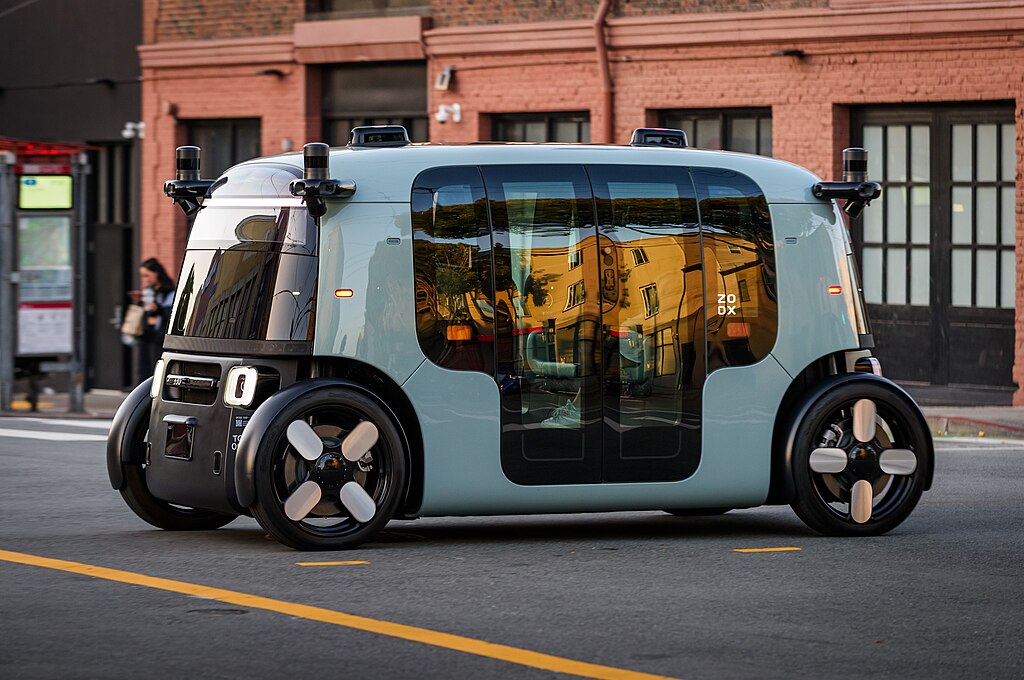
Last November, Mate Rimac published a video in which he showcased prototypes of Verne’s robotaxis (more than 60 of them), explaining that these prototypes are currently all in different stages of development. In another video published by Rimac in Croatian, he revealed that Verne’s robotaxis will appear on Zagreb’s roads in spring of 2026. More details will be revealed as we get closer to the time.
Statistics from Waymo, which has made the most progress with this technology thus far, reveal that robotaxis are actually safer than having humans behind the wheel. There’s a surprising level of trust put into them by their users. This company performs about 450,000 paid rides every week in several American markets, which is likely to reassure the wider European public about this Croatian startup’s autonomous vehicles.
Although significant progress has been made with this type of previously-barely-conceivable-technology over the past decade or so, it will be a long time before seeing them cruising along Europe’s roads becomes the norm. According to Rimac’s latest announcement, in this initial phase, the Croatian capital will become one of the few cities in the world where people will be able to order a taxi via an app, and a driverless vehicle will come to pick them up and safely deliver them to their chosen destination.
Verne has several open positions, which you can see here.
**********
Read more from Lauren here in Dispatches’ archives.

Lauren Simmonds
Lauren Simmonds is the editor of Total Croatia News, the largest English language portal in Croatia. She lives in Zagreb, Croatia, and is a translator, content writer, interpreter and the co-author of "Croatia - A Survival Kit for Foreigners," which was published in 2022.