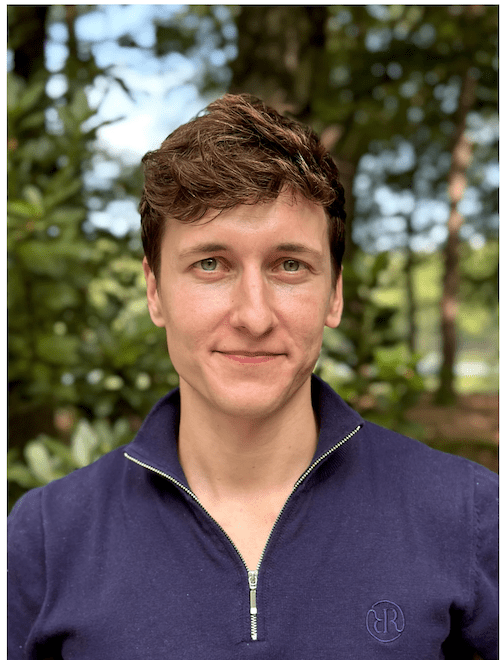
As highly skilled internationals pour into the city from across the globe, Eindhoven just got something it desperately needs … a new school. In this case, it’s Seeker, a Montessori school founded by an international couple, Tim van Doorne and his wife Kamile van Doorne.
Tim is Dutch and Kamile is from Lithuania. They met, fittingly at Erasmus University Rotterdam.
Seeker is focused on children ages 4-6 with a maximum class size of 20-24 students. Tuition is set at 25,500 euros per year. The school will align with the international AMI Montessori standard, focusing on self-directed learning. The school aims to start with one class next month and could expand to a total capacity of 90-100 children. But the first priority is focusing on quality before considering expansion, said Tim.
The founders, both entrepreneurs, decided to start the school after struggling to find a suitable educational environment for their children. Tim is a former EDM music producer/talent agent, working in the Amsterdam scene starting in 2011 when he founded Heroic, a music label, publisher and talent-management company. His wife and co-founder Kamile van Doorne is MSc marketing graduate from RSM Erasmus University Rotterdam and had a successful business in food photography.
Here are the highlights from a recent interview with van Doorne
Dispatches: You gave up the music scene to teach kids?
Van Doorne: We were done with it after 10 years. Then I became a parent. So, we thought, “Okay, now let’s take a different approach. Let’s take a problem we have and try to solve it.”
We can’t find the great school we were hoping for for our children. So, let’s see if we can solve their problem maybe by starting our own school.
Then, nationally, but particularly internationally, we started looking at different schools and visiting them. One day, we came across this international Montessori school in Germany. It was very nice. We could just sit in the classroom and observe for two, three hours to see how it works, and that was exactly (the educational model) we were looking for.
There are a lot of Montessori schools, but these are all public schools funded by the government and therefore come with the entire rules package. And in our opinion, from what we’ve seen and compared to international Montessori schools with different sets of rules, the Montessori model gets watered down to fit the rules and the schedules and the tests.
Dispatches: So, you’re inducting your first class.
We start with one class for the children aged four to six, and one class has maximum of 24 children a year.
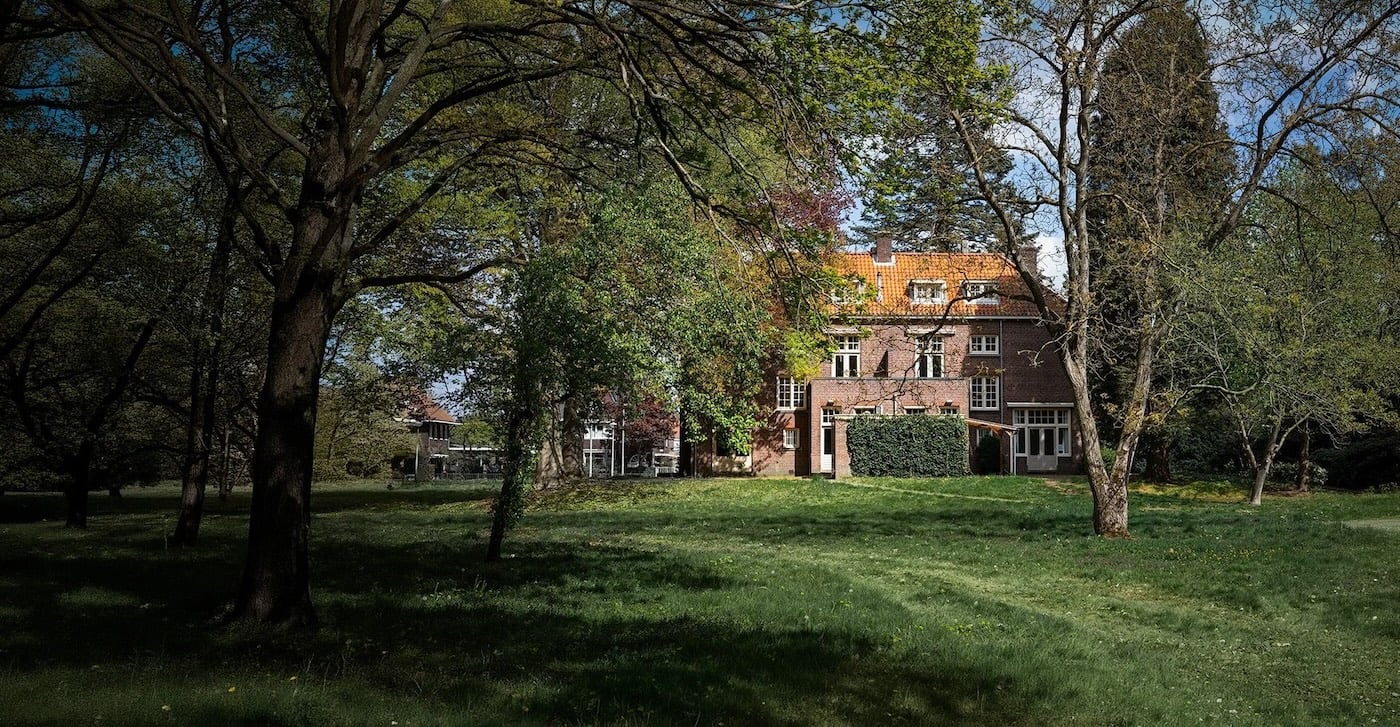
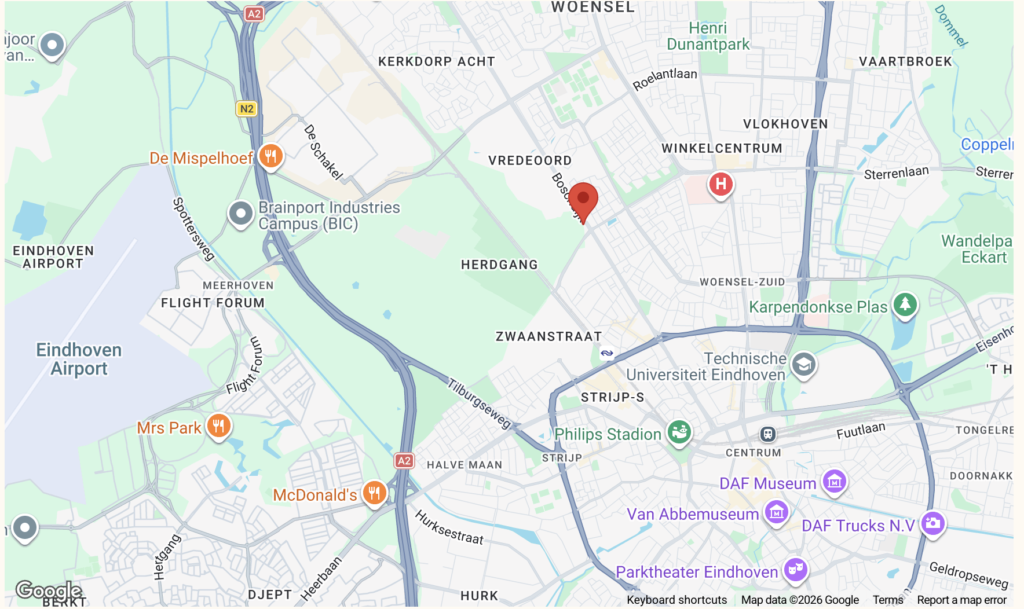
Two months ago, we announced that we’re opening and where the location is. We just announced that we’re here, and the first family signed up. Now we’ll see how much we start with in September.
Naively, we thought we’re opening in September. You know, all the applications will come for September for age four to six. But during our Open Day, we had families interested for September, but also for December and for March next year, and for June next year, and for 2028 and 2029 and for the baby still in the belly!
Dispatches: Well, that’s kind of where I’m going with this. You won’t have any trouble filling as many buildings as you have. What’s possible? Where are you going with this? How big can you be?
We like to start small, so we’ve observed a number of different schools, and even if they have the exact same system, they can differ in huge amounts, based on the culture they build. So, we carefully want to start with one class, set the culture and the systems, right, and then carefully add another class, then another class, then another class over the years.
Now we start with children aged four to six, and then the logical next step is a class for ages six to nine, and then a class for ages nine to 12. Then we have the primary school. There is still the question: What happens after primary school? So, maybe we’ll start a high school. We’re doing this primarily for our own children. So, let’s see what else is there. But that will be many years, many years from now.
Dispatches: Can you give me a bit of background on Montessori schools?
Dr. Maria Montessori was a psychologist and physician, and she created this (educational approach) by observing children. She was in charge of an orphanage, and she just observed how they behaved naturally and then gave them these games and tasks. The conventional idea is that the children are empty slates, and you gather them all of the same age into a classroom, and (the teacher says), “Now listen up, kids, because the adult is going to tell you everything, and I don’t care if you’re now in the mood to read a book. I don’t care if you want to do numbers right now. Now we’re going to discuss this particular subject, and that is on paper.” That makes a lot of sense, right? You gather the children, you give them the information, and then you give tests to check whether they’ve learned the information and then next step.
Surely, that’s not how humans learn, though.
Before children go to school, they are the most inquisitive people there are. They learn so fast, they learn languages by themselves, they learn how to walk, they climb, jump, run, they want to know everything until we start putting them in the system. Then the question doesn’t become, ‘how does this work? The question becomes, will this be on the test? Otherwise, why should I bother?
Dispatches: I’ve seen so many people come out of the system, you know, doing well.
I think the clear distinction as a result is that the love for learning doesn’t get quelled but it’s perpetuated.
Dispatches: And then what you said is the independence within a Montessori environment. Everything is prepared for the children, so they can do things themselves.
Yeah. Which means that the environment has rules baked into it. So, the adults don’t need to chase them around like a police agent, making sure that there is control retained in the class, and that’s a big, big telltale between most classrooms and a good Montessori classroom when the teacher leaves. In most classrooms, when the teacher leaves, it’s chaos. Yeah. And in good Montessori classrooms, we’ve watched this happen. Teachers leave the room and nothing changes. Just keep working on the work that they’re doing because they chose it themselves, and they love doing it.
Dispatches: What is the best way to contact you?
Well, first of all, I would recommend our website. We have a lot of information there. My phone number is on there, so parents can call me directly. My email is on there, they can email me directly. We have a button to schedule a meeting to visit the school or a video call with me.
You can see more details including the 10 Laws of Seeker here on the school website.
–––––––––––
You can read more about Eindhoven here in Dispatches’ archives.

Co-CEO of Dispatches Europe. A former military reporter, I'm a serial expat who has lived in France, Turkey, Germany and the Netherlands.