(Editor’s note: This post on Egypt is part of Dispatches’ Tech Tuesday series. Dispatches covers tech and investment because so many of our highly skilled internationals are entrepreneurs and investors.)
When I say ‘Egypt,” what comes to mind? The Pyramids of Giza? Or papyrus scrolls depicting people only in profile? And perhaps if you are a diver, the multi-coloured fish of the Red Sea? Would you think of jobs, investments, partnerships?
Probably not. And yet … you should!
The Netherlands are now the second largest foreign investor (in terms of foreign firect investments) in Egypt after the United Arab Emirates. Investments are particularly in the fields of agriculture, water, renewable energy and waste management. This is no coincidence.
The Dutch government actively supports the creation of economic ties with the land of the pharaohs and that makes all the difference. No fewer than five public or semi-public organisations (RVO, or Netherlands Enterprise Agency, of course, but also NL-Masr Agri-food Network, Dutch Greenhouse Delta network, Delphy Egypt, etc.) and two business incubators are working to facilitate economic collaboration between the two countries.
If you are an entrepreneur or investor looking for new markets, read on! Your next partners might be here.
Fintech
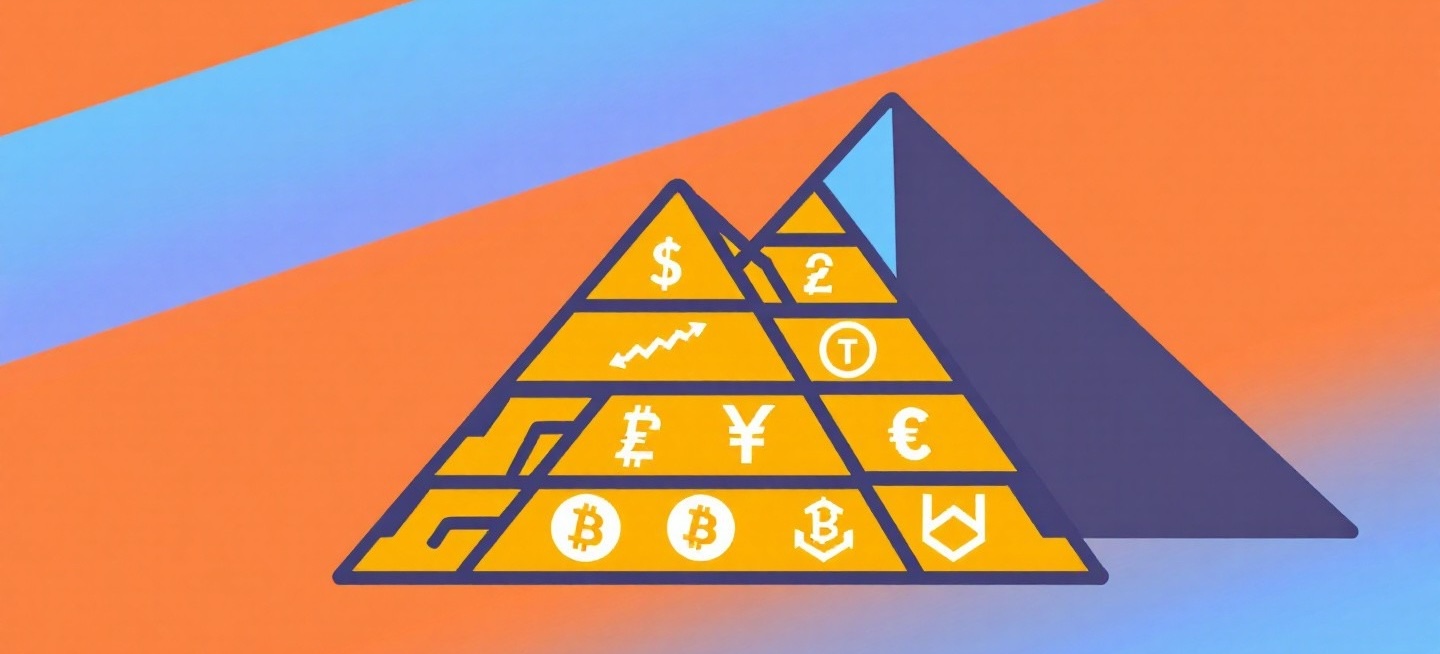
Because of capitalization, regulatory and oversight requirements, Fintech is the last sector of interest for the world of start-ups and investors. But it is by no means the least important. Egypt ranks No. 3 among MENA countries for VC investments. Financial technology has literally taken off in recent years. For a long time, Egyptians received their salaries in cash and kept it under their mattresses – it was a well-known fact. Bank accounts were not widespread as a result. Not to mention other financial products ….
But that has changed significantly and specialists at the Dutch embassy in Egypt have not missed this important news. Last week, a major summary report on Egyptian fintech was published and in the wake of this, the embassy organised an official presentation by its authors. What does the report say? Quite simply that the ownership of bank accounts and mobile wallets has skyrocketed.
💡While in 2014, only 14 percent of Egyptians had a bank account, this rate increased by 147 percent between 2016 and 2022.
💡As for mobile wallets, ownership increased by 54 percent between 2020 and 2022 to reach 46,500 per 100,000 adults – the Egyptian population stood at 117 million (seven times larger than the Netherlands) in 2024, don’t forget that!
💡Logically, the number of fintech companies and Payment Service Providers (PSPs) has surged. Their number has increased 5.5-fold in five years.
💡Egypt is now the third-ranked country in the MENA region in terms of fintech VC investments, attracting 18 percent of total funding.
The Dutch fintech world has clearly understood the importance of these figures. Earlier this month – even before the report was officially released – Amsterdam Fintech Event 2025 offered an information session on the theme “Egypt’s FinTech Landscape: Unlocking Egypt’s Digital Finance Potential.” The aim of the session was to present the Egyptian fintech market and, as the Embassy’s LinkedIn page states, ‘how your companies can tap into it.’ It couldn’t be clearer, could it?
Startup incubators (with a focus on agriculture, water and energy)
Services are not the only sector presenting investment opportunities. Take a look at what the two incubators funded by the Netherlands have to offer in terms of industrial, and even agricultural start-ups.
Orange Corners Egypt
Orange Corners is the Kingdom’s initiative dedicated to supporting young entrepreneurs in Africa, Asia and the Middle East. Its Egyptian branch has been operating since 2021 and produces 130 entrepreneurs per year. Climate and water-smart agriculture, waste management, energy and tech-enabled start-ups offer solutions for pressing societal and economic challenges. Of all previous cohorts, 59 percent were female-led businesses.
Examples of supported startups
💡Gridmotion – recovers surplus solar energy produced on farms for irrigation purposes and uses it to charge electric cars
💡CRola – produces eco-friendly cleaning products
💡Seavos – exploits the Internet of Things to manufacture aquatic scooters and robots and make maritime travel more sustainable.
Upcoming dates
The Upper Egypt and Nile Delta branches will welcome their new cohort in January 2026.
The Upper Egypt branch backs small and growing businesses while Nile Delta focuses on the very early stages of business creation. This supports budding entrepreneurs ‘from idea conception to business launch’.
Agrovance Acceleration Program
If you feel like a farmer at heart or are simply convinced that feeding the planet is one of the challenges of tomorrow, take a look at the Agrovance Acceleration Program. It’s the second Dutch incubator in Egypt is funded by RVO, the Netherlands Enterprise Agency. The program is aimed at young agribusinesses (1 to 4 years old) promising them support for growth ‘through capacity building and matchmaking with the Dutch horticultural sector’.
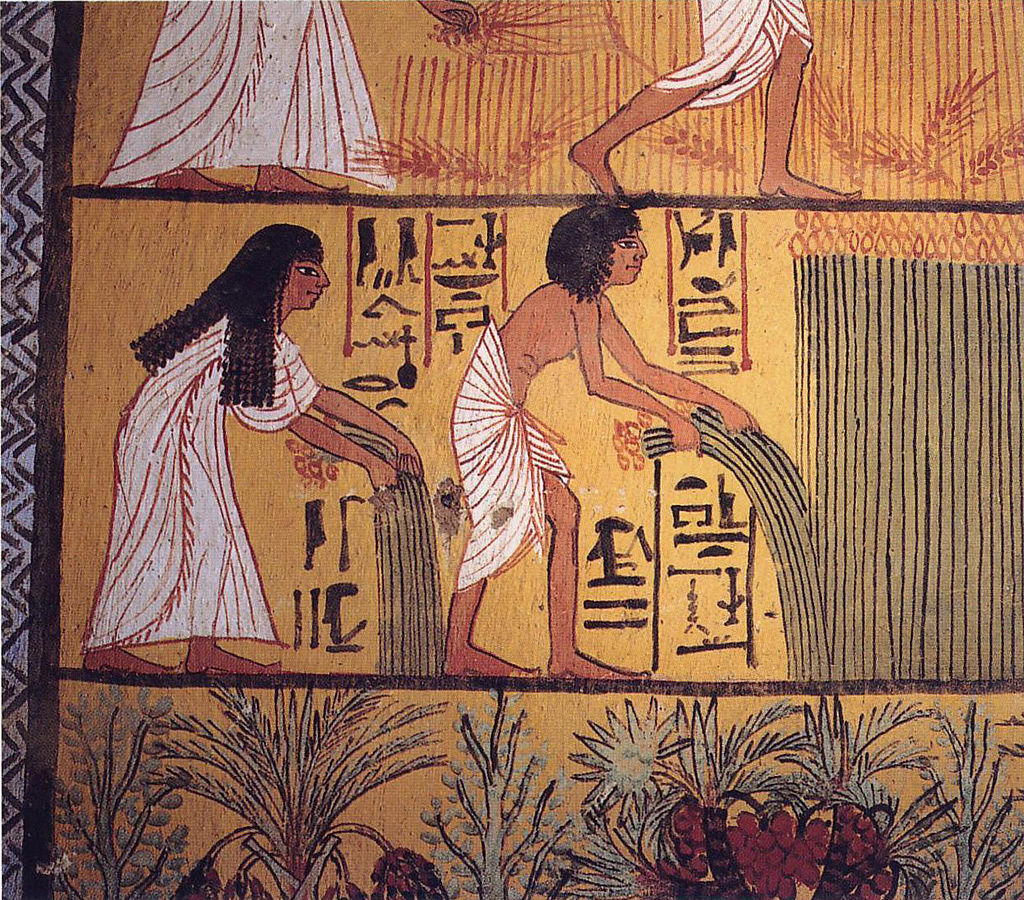
Egypt has always been an agricultural country. As the Greek historian Herodotus wrote in 5000 BC, ‘Egypt is a gift from the Nile.’ Irrigated by the fertile silt of the Nile, its land naturally produces fruit, vegetables, rice and cotton. Agrovance’s founders have understood this well and the incubator already has a number of success stories to its credit.
Its first phase, the Sustainable Agriculture Service Providers Enterprise Network (SASPEN), launched in 2021. Leading Dutch players such as Rijk Zwaan, Koppert, Priva, Hydrosat and Spaak were able to gain a foothold in the protected Egyptian horticulture market.
Agrovance’s program
- Tailored technical support
- Business and financial capacity building
- Mentoring
- Networking opportunities
Upcoming dates
Applications were accepted until 20 October. The program will then run for two years.
Interested? Follow Agrovance’s social media channels.
📌Also in the agricultural sector, a job-matching fair will be held on 12 December.
Targeted audience
- 150 young graduates and students in agriculture
- Companies ‘shaping Egypt’s food future’ (names not yet revealed at the time of publication)
The job-matching fair is organised by the Dutch Embassy with Chemonics Egypt Consultants. Participation by eligible companies is subsidised.
Sustainable agriculture and water management – a wealth of opportunities
Let’s stay with sustainable agriculture for a moment. Along with water management, this is a sector in which the Dutch authorities are stepping up their efforts to encourage national companies to enter the Egyptian market. One of the driving forces behind these efforts is Dutch Greenhouse Delta. Created in 2017 by four companies (Bom Group, Priva, KUBO, and Certhon), it aims to promote the Dutch greenhouse horticulture sector abroad. The company is very active in Egypt and organised a Study Tour in February 2024. It is now embarking on a trade mission in collaboration with PIB (Partners for International Business) on 2 thru 6 November 2025.
Aim of the mission
- To encourage Egyptian-Dutch collaboration in the field of mid-tech and high-tech cultivation.
- To explore and develop the market for Dutch expertise and technologies in the field of protected cultivation.
The programme is made up of matchmaking, market reconnaissance and meeting clients.
As for the water management sector, it is natural that it should be at the centre of collaboration between Egypt and the Netherlands. “Both countries are delta countries facing challenges such as shoreline erosion and dense urban development.” This was reiterated by the Dutch embassy this month as celebrations began for 50 years of collaboration between the two countries in the field of water.
In this context, a handful of major Dutch companies (including Boskalis, Van Oord, Fugro, Ballast Nedam, and Aqua4all) visited the Suez Canal Economic Zone this past October.This strategic Egyptian zone for trade between Europe and Asia saw more than 13,000 ships pass through in 2024. The purpose of the visit was to explore opportunities available in the Economic Zone for Dutch companies in the fields of port development, green hydrogen and renewable energy.
Although this visit was probably more relevant to multinationals than start-ups, keep following the hashtag #50YEARS_Water_Collaboration as the year of celebration is just beginning. More opportunities will follow.
Finally, may the Egyptian gods accompany you on your entrepreneurial journey!
––––––––––
Read more about Egypt here in Dispatches’ archives.

Gaëlle Anne Fouéré
Gaëlle Anne Fouéré holds a Master's degree in journalism and has contributed to major outlets including Le Monde and the BBC website. Gaëlle later joined the United Nations system, where she worked with several agencies (WHO, UN Women, and peacekeeping missions), mainly producing both online and offline publications.