

If you’re thinking about getting a dog in Amsterdam, you’re in luck — because it’s one of the best cities in Europe to have one. If you’ve got the time, dedication and resources to give a four-footer a good life, it might just be one of the best decisions you ever make. If you do take the plunge, here’s your ultimate step-by-step guide to navigating dog ownership in the Netherlands. From bringing your pup from abroad to tackling the paperwork, finding dog sitters and actually enjoying life together, this post is packed with first-hand experiences.
Where and how to get a dog
There’s no single “right” way to welcome a new family member into your life. Some will insist that adoption is the only ethical option, but there’s nothing wrong with getting a dog from a responsible breeder either. At the end of the day you’re choosing a companion for (hopefully) the next decade or more, so it’s entirely your decision.
Consider this my only moral disclaimer on the topic, from here on — it’s all about the practical side of things.
There are a few different ways to find your future four-legged companion, each with its own pros and cons. The best place to start is by thinking about your lifestyle: how much time, space and energy you can realistically offer. Once you’ve figured that out you can decide which route makes the most sense for you.

If you already know exactly what you’re looking for, a professional breeder might be the most straightforward option to make that dream happen.
Upside: You can get a healthy dog with a stable temperament from a responsible breeder and you’ll have the joy (and chaos) of raising them yourself.
Downside: Well, you’ll have the joy (and chaos) of raising them yourself. Puppies are cute, but come with plenty of work: training, teething, sleepless nights and that’s just the tip of the iceberg. There’s also the cost. Ethical breeders invest in their dogs’ health and don’t overbreed, so prices are high and waiting lists can be long.
(Editor’s note: We have friends in the Netherlands who pay 1,700 euros and up for purebreds and registered puppies.)
If you’re more flexible or not entirely sure what kind of dog fits your lifestyle, a shelter might be the answer. With this route, you’re giving a home to an animal that genuinely needs one. And shelters don’t only house adult dogs; there are puppies too.
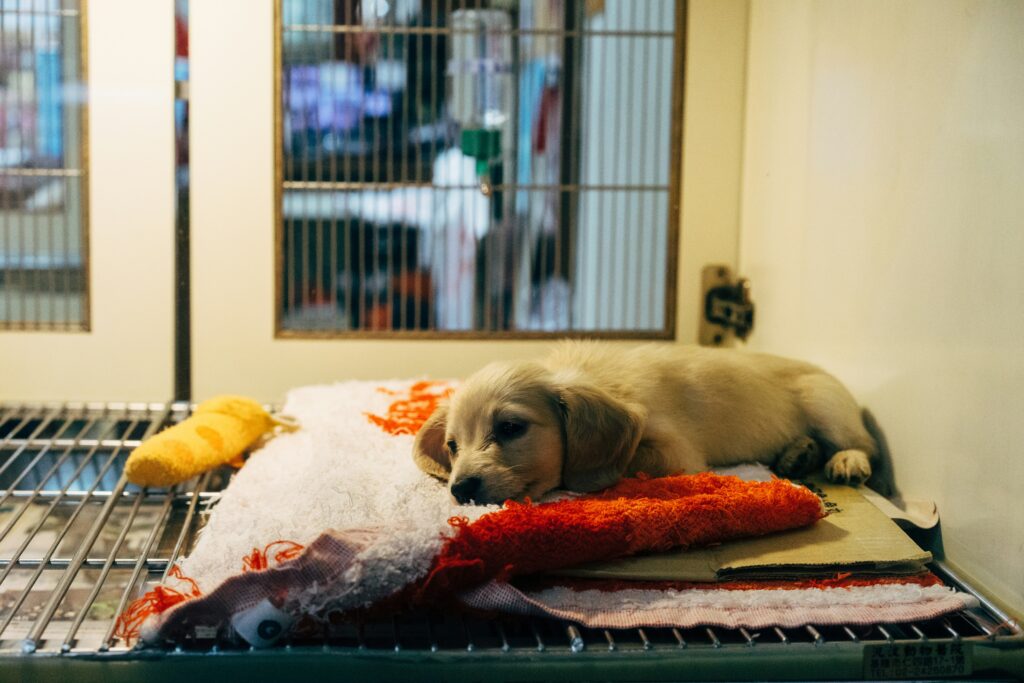
Potential challenges are that sometimes rescue animals need extra attention, patience and medical care due to their past experiences. Plus, if you’re adopting in the Netherlands, be ready for a healthy dose of bureaucracy (of course, there’s some). Each shelter has its own procedure but typically you’ll fill in a form to help them match you with a suitable dog. You can’t simply show up and pick one. Some shelters also conduct interviews or even home visits to make sure your lifestyle and living situation are appropriate for a pet. It’s generally more affordable than buying from a breeder but can be a bit like job hunting — there’s no guarantee you’ll be chosen.
If neither breeders nor local shelters work out you can bring a dog from abroad. It might sound complicated but it’s actually quite doable. Most dog owners I know — I included — have adopted from abroad, both from kennels and rescues. In nearly every case, breeders or volunteer organisations took care of everything: paperwork, vaccinations, even transport if needed. There are also plenty of Netherlands-based foundations that rescue dogs internationally and re-home them here.
If you’re handling the process on your own, don’t worry — it’s still perfectly manageable. Even dogs bought locally go through nearly the same steps, so it’s not a huge difference.
The rules for bringing a dog to the Netherlands depend on where it’s coming from. If it’s from another European Union country it needs to be vaccinated against rabies at 12 weeks old and wait 21 days before entering (so at least 15 weeks old in total), plus have a microchip and a valid EU pet passport. All of this is what any dog in the Netherlands needs — so, as I said, sometimes it really doesn’t matter where your pup comes from.

It’s actually the route I took myself almost two years ago. My husband and I got our kaninchen dachshund from a breeder in Hungary and drove him to the Netherlands. The breeder advised picking him up at three months — old enough to leave his litter but still young enough to bond with us.
He already had a pet passport, microchip and all required vaccinations, including rabies. We just had to wait 21 days after the jab before crossing the border. Although there are no routine border checks within the EU, don’t risk it — if you’re stopped and your dog is too young, you could face hefty penalties and the pup may be confiscated.
If your dog’s coming from outside the EU the list gets a bit longer. Some countries are considered a high-risk rabies zone. In most cases breeders or volunteers will sort this out for you, but if not, it’s worth double-checking the latest info on the Netherlands Food and Consumer Product Safety Authority (NVWA) website before you start packing the travel crate.
Making it official
Dogs from abroad have to be registered.
The process is straightforward:
First, request a Uniek Bedrijfsnummer (UBN) here (don’t get confused by the name, it has nothing to do with starting a company). Then, within 14 days of your dog’s arrival in the Netherlands they must be taken to a vet to finalise the registration and, if needed, get an EU pet passport (required if your dog came from outside the EU).
That’s pretty much it. In Amsterdam you don’t have to pay any pet-related taxes, but some other cities still do, so it’s worth checking with your local gemeente. For example Eindhoven‘s.
Keeping your dog safe and healthy
Once the paperwork’s done your real responsibilities begin. Trust me, you’ll want to do everything you can to keep your dog healthy both for their sake and for your wallet as Dutch vet bills can be brutal.
Here’s what I’ve learned (often the hard way):
• Dog-proof your home. Remove potential hazards, keep cables and houseplants out of reach, hide any food. Assume your dog will try to chew or swallow anything they can find, because they will.
• (Seriously) consider getting pet insurance. When I say vet bills here might break the bank I’m not exaggerating. I’m still not mentally over that 1,600 euro colonoscopy after my dachshund decided to eat part of his bed and a 200 euro basic fee for each emergency vet appointment excluding treatment. You may think you’ll be careful but every dog owner I know has a similar story. Especially those with puppies who try to eat anything from your socks to literally rocks in the park.
The moral? Pet insurance is worth it. Some clinics also offer their own subscription plans. I have both and can highly recommend the combo.
• Find a vet nearby. Ask all the questions you need until you leave with a full dog care manual. Keep vaccinations, deworming, flea treatments, neutering and check-ups on schedule (a spreadsheet or calendar reminders help massively). If your dog has specific grooming or health needs, make sure you’ve got a routine in place for that too.
• Save an emergency vet contact. Most Amsterdam clinics close early or don’t open on weekends so have the number of an emergency vet saved. You’ll thank yourself later.
• Train the basics. A few solid commands can save you endless stress and potentially your dog’s life. “Leave it” and “heel” are must-haves for when they decide to snack on something suspicious or wander too close to a less-friendly dog.
There are plenty of puppy schools in Amsterdam but training at home works too and helps strengthen your bond (plus it’s genuinely fun). You can focus on the breed-specific training. For dachshunds, I’d definitely recommend Dovecote Dogs online academy.

Walks, public spaces and getting around
Amsterdam is generally very dog-friendly — most parks, cafés and even some shops will happily welcome your four-legged companion. Supermarkets and government buildings are the main exceptions but otherwise, you’ll be surprised how many places will let you bring your pup along. Still, it’s always (always) worth double-checking before you show up.
As an owner, you’re responsible for your dog’s behaviour and that comes with a few ground rules. Dogs must be on a leash in built-up areas unless you’re in a designated off-leash zone (you can find them here). And yes, you do have to clean up after your dog. First, it’s a decent thing to do, second, ignoring it could land you a fine. If your dog bites someone things get more serious: you could be prosecuted and required to keep them muzzled in public.
Playgrounds, sports fields, school grounds and swimming areas are generally off-limits but beaches are a bit more flexible. The rules depend on the place and season. For example in Katwijk aan Zee, dogs are usually welcome after 7 p.m. during warm summer days. In bad weather, these time restrictions are often lifted. Plus there are plenty of dedicated dog beaches where dogs can run freely year-round. A quick check on the local municipality website will tell you exactly where you stand and where your dog can.
Getting around the city is also easy. Dogs are welcome on trams, buses, the metro and ferries, either on your lap, in a bag, or on a short leash. On trains, if your dog doesn’t fit on your lap you’ll need to buy them their own ticket.
And since this is Amsterdam, cycling with your dog is completely normal. Smaller ones can ride in a bag or basket, bigger ones in a trailer. Don’t expect it to go smoothly from day one. Most dogs need a bit of time and a few attempts to get used to it. Take it slow and let them find their balance.
As for car rides there aren’t many specific local rules — mostly the common sense. Your dog shouldn’t be moving around or distracting you while driving. It’s safest to use a car seat with a harness or crate to keep both of you out of trouble.

Dog Sitters
One of the biggest worries for potential dog owners is how much freedom they’ll lose once a four-footer enters the picture. The struggle is real and it can feel a bit like having a child. Spontaneous trips become complicated unless you’re bringing your pup along. Apart from that, many dogs have separation anxiety meaning you can’t always leave them alone even for an hour. That can definitely shake up your usual routine.
Luckily humanity has invented a brilliant solution: pet sitters. In Amsterdam there are several platforms where you can find trusted people to look after your dog. Sitters are here whether you need quick walks, home visits, full-day care or overnight stays.
Honestly finding a good sitter who’s actually available when you need them can be tricky so it’s worth exploring all your options. I’ve personally used Pawshake, Petbnb and Rover and had good experiences with sitters on all three.
Getting a dog in Amsterdam may come with a bit of paperwork but it’s definitely worth it. Once the admin’s out of the way, you’ll have a loyal sidekick for every kind of adventure and plenty of lazy evenings. It might feel challenging at first but soon you’ll realise it was one of the best decisions you’ve ever made.
**********
Read more about pets in Europe here in Dispatches’ archives.
See more from Oxana here.

Oxana Skibun
Oxana Skibun is a fashion and lifestyle editor who has crafted her stories for print and digital media outlets across Europe, the Middle East and Russia. Raised in Moscow, she now lives in Amsterdam, where she continues writing for international audiences.