
It’s 11 a.m. on a crisp Saturday morning. I’ve just finished my ritualistic run around Hamburg’s Alster Lake and stopped by my local Edeka supermarket to grab a few staple items before the predictable afternoon rush. It’s the hour before most households collectively realise they have nothing to eat on Sunday, when all shops close thanks to an antiquated (but somehow still popular) German tradition.
Because I’ve come straight from my run, I only have my phone and keys. No cards, no cash. Just my trusty Apple Wallet, clasped in my warm, clammy post-run hands.
I’m poised to tap, pay and go. But as the cashier reads out the total and I raise my phone, she shakes her head. The card terminals across multiple city stores are down due to a technical failure. She asks me to pay with an EC-Karte, Germany’s domestic debit card system.
She offers to hold my items while I run home to fetch my EC card. I explain, in German: “Ich habe keine EC-Karte.” I only had my N26 Mastercard debit and a Visa credit card – perfectly acceptable everywhere else, apart from the local DHL branch I now boycott for that very reason.
The cashier looks comically perplexed, as though not owning an EC card is a courageous life choice.
Then a generous stranger overhears and swoops in to pay for my groceries with his EC card. I reimburse him immediately via PayPal. Saturday morning chaos averted. But this wasn’t a one-off.
Germany’s banking quirks do catch out other expats – and not always during a technical failure.
What is an EC card?
After that introduction, you might be wondering: “What is an EC card?” And if you live in Germany, you might also be wondering why this preference for EC cards is so striking in daily life.
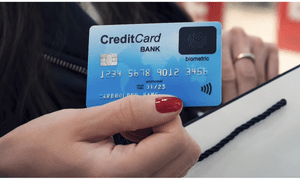
“EC card” is the colloquial term Germans still use for the country’s most common payment card – even though its successor has officially been called girocard since 2007. Lower merchant fees for girocard payments also make shops more reluctant to accept Mastercard or Visa.
If you’re looking for a comparison between an EC card and a typical debit card – particularly from a British perspective, like mine – it’s hardly discussed or explained anywhere online. Germany’s preference for girocards stems partly from its aversion to credit, its cash-heavy and conservative financial culture and strict domestic banking regulations.
My tips when you’re adjusting to German banking
I had an EC card until 2024 – around 16 months before my Edeka encounter – when I finally made the “courageous life choice” of closing my account and moving to a German neobank I’d heard consistently good things about.
Germany may be home to major financial institutions like Deutsche Bank and the European banking hub of Frankfurt, but anyone moving here quickly discovers a set of quirks to acclimatise to. From my experience – and those of many internationals around me living in Germany – here are some of the most important things to know:
- You can‘t use a girocard (your German debit card) online
You can now, however, integrate it with Apple and Google Pay. This is why an astounding number of Germans rely on PayPal. Without PayPal, Google or Apple Pay (or solutions like Klarna), you will need a credit card to pay online.
- Credit cards may auto-withdraw your full balance
Many German credit cards deduct what you owe each month via direct debit. In my case, this always happened before my salary arrived – on a date I couldn’t change. The only exception I’ve found is the Barclays credit card (no ad, I promise), which allows instalment payments.
- Banking is federal – really federal
Sparkasse branches are state-bound. Hamburger Sparkasse is not the same as a Sparkasse in Baden-Württemberg, and staff can’t access each other’s systems. I learned this the hard way when I had to travel 640 kilometres to make changes to my original account.
- ATM withdrawals can be expensive
Use the wrong bank’s ATM and you’ll often pay around 5 euros per withdrawal. Depending on where you live, there may be no free-withdrawal machines for your bank nearby, so plan ahead if you need physical cash. And yes, in Germany you will most likely often need physical cash.
- Decide whether earning interest is important to you.
I never accumulated any interest on my savings or debit card balance in the 6.5 years I was with my first (Sparkasse) and second (Commerzbank) traditional German bank. Since switching to neobanks, I’ve been earning a modest amount of interest.
- Consider a neobank if you want a modern online banking UX.
Traditional German banks have their advantages, but if you value an intuitive app, an English UX and instant notifications, a neobank may suit you better. I feel far more in control of my finances since opening accounts with N26 and Trade Republic.
- Transfers used to be very slow. Traditional banks often took days to process transfers. The EU’s Instant Payments Regulation (in effect since October 2025) seems to have finally sunsetted that. With my pre-2024 EC card and German credit card, delays were common enough that I rarely knew my real-time balance.
These are, of course, my personal experiences – but because so little is shared online about the realities of German banking from an expat’s perspective, I think they’re valuable insights.
Banking in Germany is inflexible, traditional and slow. If you’re coming from somewhere like the UK, it takes time to adjust. While I’m grateful for the country I currently call home, I struggled with the system for years – to the point of boycotting establishments that refused non-girocards or only accepted cash.
But not every expat minds this. Many are perfectly content with their girocards, and the new instant payments regulation has improved things. If you’re moving to Germany or living here now, I’d simply recommend you think about what matters most to you: reassurance, flexibility, earning interest, or the stability of a traditional German bank that will almost always be the preferred payment method in shops.
Like everything else you face when moving abroad, navigating a foreign system requires a mix of preparation, patience and (hopefully) the occasional help of a sympathetic stranger.
––––––––––––
Read more about banking here in Dispatches’s archives.

Sara Vordermeier
Sara Vordermeier is a Hamburg-based freelance writer and editor specialising in sports, technology and culture stories from her life abroad. Her professional writing experience spans more than seven years in the fields of content marketing, organic search trends and journalism.