The grapes are having their moment in the sun.
The bottles are having theirs on the shelves.
Here’s where the two stories meet.
I knew the foire aux vins had arrived when a wine shop couldn’t make me lunch. I had stopped at a wine shop in Thionville, in northeastern France, where the proprietor also serves lunch. But not that day. He had a more pressing problem: His wine shipments had arrived, and he had to get all those boxes unpacked and onto the shelves. There were boxes everywhere.
If you live in France, this is one of the signs that September has arrived. Forget the back-to-school advertisements. Forget the first chill in the morning. When cases of wine begin appearing in the middle of shops and supermarkets, it’s foire aux vins season.
For anyone who loves wine, that’s your alert.
Annual wine-buying opportunity
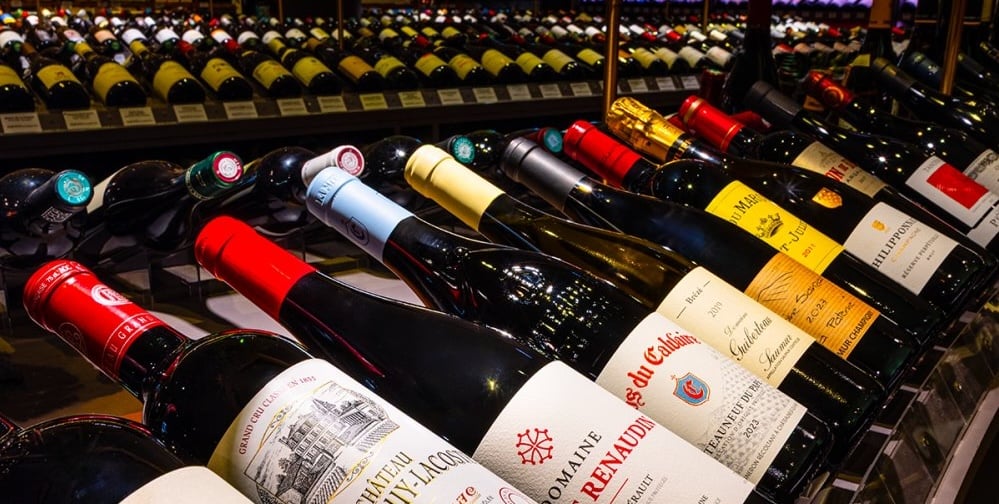
The foire aux vins — literally the “wine fair” — is one of France’s great annual wine-buying traditions. It isn’t a single national event. Supermarkets, wine merchants, cavistes and online retailers hold their own autumn sales, with special selections and promotions generally running from late August through October.
It can look a little chaotic to the uninitiated. One week, your wine shop has its usual orderly rows of bottles. The next, cardboard cases are stacked in the aisles, special displays appear everywhere and considerably more people are standing around studying labels.
But here’s an important bit of French wine-calendar math:
The grapes being harvested in France right now are not the wine you’re buying at this year’s foire aux vins.
Those are the 2026 grapes. They’re only now coming off the vines. They still have to be fermented and turned into wine and, depending on the wine, aged before being bottled and released for sale.
So this autumn, you’re shopping the cellar, not the vineyard.
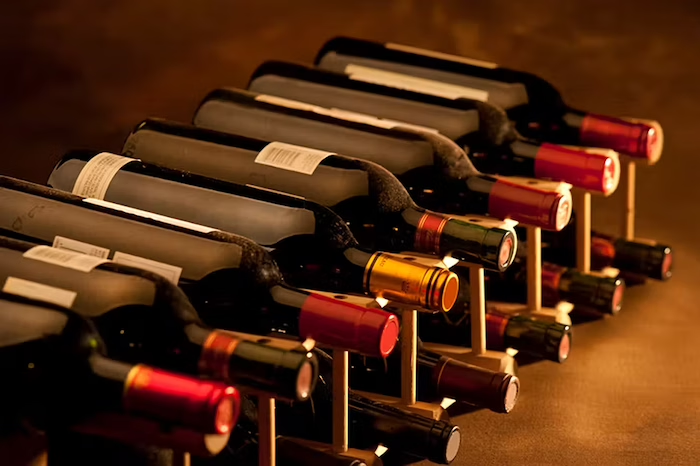
Stocking your cellar
The bottles on offer are generally from the 2025 vintage and earlier years. You might find 2025 wines alongside previous years, and possibly, older vintages, depending on the region and type of wine. What you won’t find is a finished 2026 wine made from the grapes currently being picked.
That comes later.
It’s easy to forget that the vintage year on a French wine label refers to the year the grapes were harvested. The wine made from those grapes may take months or years to become the wine you actually drink. So while the harvest is happening outside the cellar, the foire aux vins is inviting consumers inside it. And there is a reason September makes such a natural backdrop for the ritual.
The French wine calendar has always revolved around the harvest, or vendange. By September, grapes are ripening. Harvesting begins in many regions and the country’s attention turns once again toward wine. The modern foire aux vins, however, is also a sophisticated retail tradition. Retailers use the season to bring in special selections, offer promotional prices and encourage customers to stock their cellars for the months ahead.
And this year, there is another reason to pay attention to what’s in those boxes.
The 2025 vintage — the one beginning to appear in this year’s sales — is getting some very good reports. But, as always with French wine, the answer depends on where the grapes were grown.
That’s because making good wine is a little like cooking.
The weather gives you the ingredients. The vigneron is the cook.
A good growing season can give a winemaker beautiful, ripe, healthy grapes with the right balance of sugar, acidity and flavor. That’s a very good place to start. But vineyard, grape variety, soil and harvest timing all matter. Then the person making the wine has plenty of opportunities to coax the best from those grapes — or mess them up.
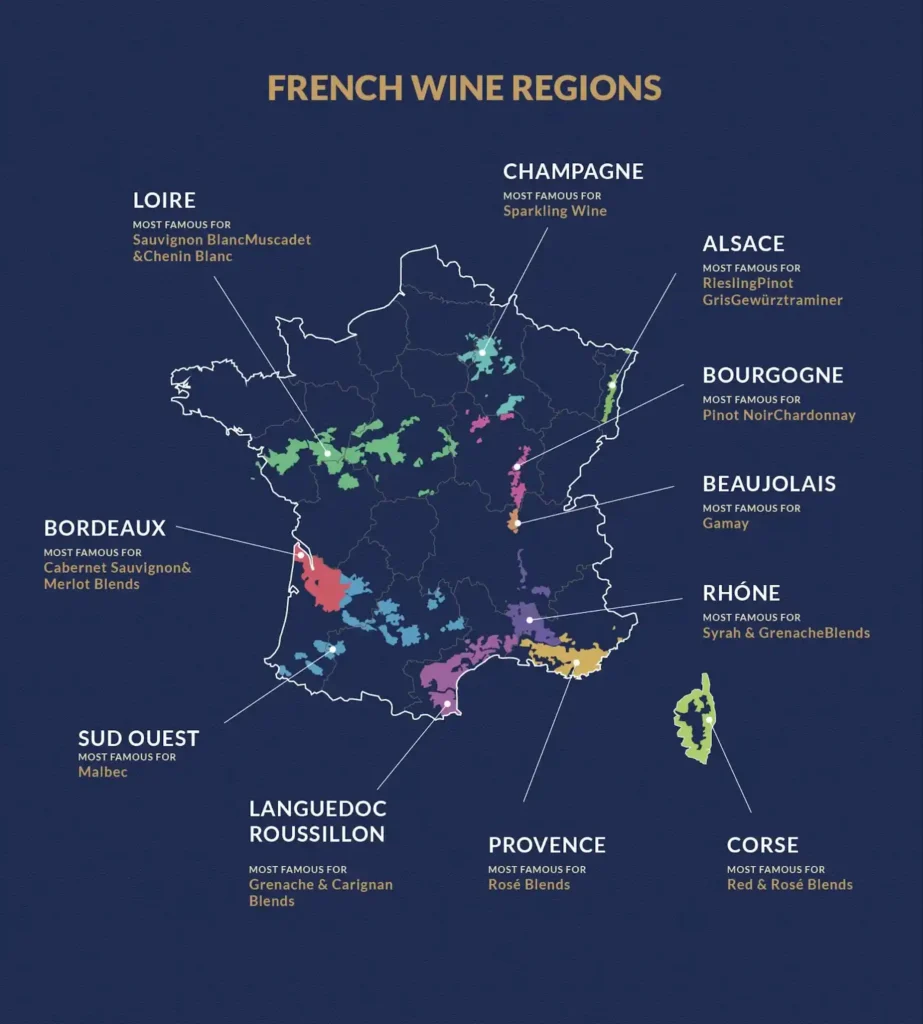
Most good vignerons aren’t going to ruin beautiful grapes, of course. But that’s why wine lovers can call a year a “great vintage” while still arguing passionately over which bottles are actually worth buying. In the Rhône Valley, for example, wine authorities describe 2025 as a very promising vintage, with lower yields but wines showing concentration, freshness, balance and elegance.
That brings us to one of those charming bits of wine folklore you’ve probably heard in movies, restaurants or from somebody who has been drinking French wine for a very long time:
“Oh, that was a very good year.”
There is a long-standing rule of thumb that years ending in 0 or 5 tend to be good ones.
It’s not really a rule. It’s more of a wine drinker’s superstition — and certainly not accurate enough to use as a buying guide. Wine regions don’t all experience the same weather, and a year that produces spectacular Bordeaux can produce something quite different in Burgundy, the Loire or the Rhône.
Still, it’s amusing that several recent “round-number” and five-ending vintages have indeed been highly regarded in major French regions: 2000, 2005, 2010, 2015 and 2020.
Heat, drought and maybe great wines
And now we have 2025.
At least in parts of France, the early word is encouraging.
But don’t confuse a good 2025 vintage with what’s happening in the vineyards this September.
The 2026 harvest is a different story.
France’s Agriculture Ministry estimates that this year’s wine production will be about 33.9 million hectoliters — roughly 4.5 billion bottles — which would be 6-percent below 2025 and 17-percent below the 2021-25 average. Heat, drought and other extreme weather have reduced yields, with Champagne particularly hard hit.
The irony is that a small harvest doesn’t necessarily mean bad wine. In Champagne, growers are reporting exceptionally high grape quality despite a dramatically reduced crop.
That’s one of the enduring mysteries and pleasures – of wine.
Weather can give you fewer grapes and potentially better wine, or more grapes and disappointing wine. A hot summer can concentrate flavors but creates problems with alcohol and acidity. Rain can save a crop or ruin it, depending on when it arrives. Which is why French wine lovers pay so much attention to the year on the bottle.
So when you walk into a French wine shop this September and find yourself surrounded by towers of boxes, take a closer look. The shopkeeper isn’t necessarily making room for this year’s harvest. He’s preparing for one of France’s great annual wine-buying rituals. And if you’re lucky, somewhere in those boxes might be the bottle perfect for you. Just don’t ask for the 2026 vintage yet.
Those grapes are still hanging on the vine or – depending on where you are in France – they’re being picked right now.
–––––––––––
See more about wine here in Dispatches’ archives.
Read more from Alice here.

Alice Verberne is a contributing writer for Dispatches Europe. She has worked in print journalism and magazine production in the United States and Europe throughout her career. She currently resides in France where she enjoys visiting former French speaking colonies and discussing history with the locals.