
Without exaggeration, Japan had been on my travel list for over a decade, and when the trip finally happened, I realised that neither years of fascination with its culture nor months of meticulous planning could truly prepare me for it. Japan isn’t exactly a carefree destination. Sure, you might stumble upon something incredible by chance, but the real trick is to arrive with a solid plan.
Otherwise, you risk missing out on most of the magic.
To make your own journey smoother, I’ve gathered everything I wish I’d known before going — from the practical bureaucracy to the smart travel tips I picked up along the way.
Planning your route
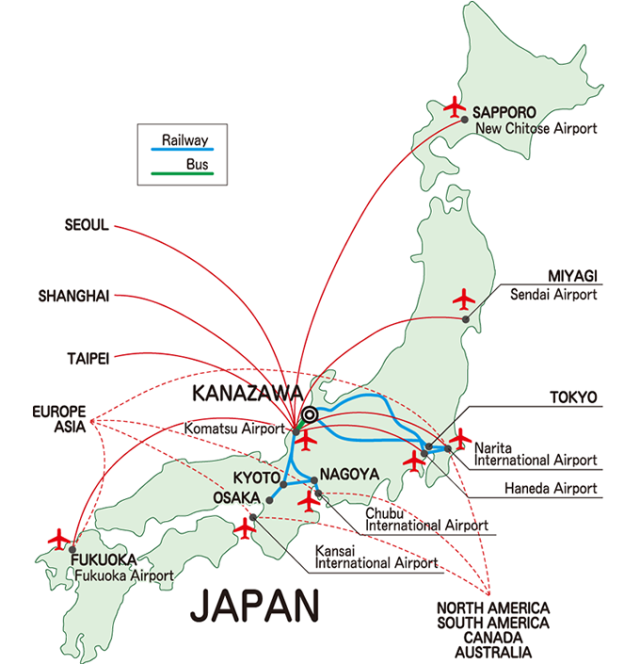
With some trips, you can improvise and stay flexible. In Japan, that’s possible too, but only if you’ve got at least a rough plan. You’ll need an outline of your route for the visa application anyway (if you do need one), and having it will save you a lot of stress later on as it affects everything from logistics to budget. So, take your time to decide which cities you want to include and how long to stay in each. If you’re visiting multiple destinations, book multicity flights — for instance, fly into Tokyo and leave from Osaka. It saves both time and money.
When it comes to hotels, if you find one with an onsen (a traditional hot spring) within your budget — don’t hesitate. It’s not just a beautiful cultural experience, but also the perfect way to unwind after long days of sightseeing.
If possible, stay within walking distance of the sights you want to visit — easier said than done in Tokyo, but manageable in many other destinations. Public transport in Japan is efficient, but not always the most comfortable experience, with its occasional lack of escalators (or lifts) and, at times, air conditioning.
Next, think about luggage logistics. It might not seem like a big deal until you’re navigating public transport with a suitcase the size of a small car. Thankfully, Japan’s luggage delivery services are quick, affordable, and available in most hotels.
For transport, use local trains for short trips — say, from Kyoto to Osaka, Nara or Uji. They’re cheap, frequent, and reliable. For longer routes, jump on the Shinkansen, Japan’s legendary bullet train — fast, smooth, and an experience in itself.
Bureaucracy without the breakdown
I won’t shock anyone by saying that travelling to Japan comes with a bit of standard paperwork — but here’s the good news: it’s all surprisingly painless.
Start by checking your visa situation. Head to the official website of the Japanese embassy in your country to see if you need one. If you do, don’t panic — the process is as smooth as it gets. Speaking as someone who used to apply for Schengen visas on a regular basis, this one was a dream: minimal paperwork and a quick turnaround. It’s also free for many nationalities.
I applied for my temporary visitor visa in The Hague last August — no appointment needed, just showed up during application hours, handed over my papers, and was told to pick up my passport five working days later. That was it. The most painless visa experience of my life. Of course, procedures and timelines can differ, so make sure to check your local embassy’s website carefully. If in doubt, there’s a 24/7 hotline you can reach out to.
Once your visa is sorted and tickets are booked, go to Visit Japan Web, a government platform where you can pre-fill your immigration and customs forms before arrival. It generates a QR code you’ll need to scan at a self-service terminal when you land. Trust me, after a ten-plus-hour flight, the last thing you’ll want is to stand in line filling out papers.
If you’re going as a tourist, that’s about all the official admin you’ll need. The rest is just smart prep.
Pre-trip essentials
You’ll want a few things sorted before you go:
Internet: You’ll need a stable connection for maps and translation apps, so make sure to arrange a travel SIM card. The easiest way is to get an eSIM — you’ll find plenty of options online. I used one from N26 and had zero issues.
Electronics: Japan runs on 100 volts, so inspect your devices before packing. Anything that doesn’t support it should stay home. For phones, laptops, and other small gadgets, you’ll need plug adapters, which you can easily find on any marketplace.
Money: Some cards (like Maestro) don’t always work in Japan, and contactless payments aren’t accepted everywhere. I couldn’t use Apple Pay in quite a few spots, so it’s worth bringing a physical card — and some cash.
ATMs are easy to find, but not all of them work with foreign cards, so double-check with your bank before you go.
Bonus tip: Prepare for the jetlag; it can hit harder than you expect. If you’re travelling from Europe, try easing into Japan time a few days before you go by shifting your bedtime an hour or two earlier. Once you land, chase the daylight and fight the urge to crash too soon. Staying awake until local bedtime is the fastest way to trick your body into catching up.
Handy apps and digital tools
These apps will make your trip far easier:
Wallet (Apple or Google): Add a prepaid transport card like SUICA, PASMO, or ICOCA before you arrive. Works on most trains, metros, and even in some shops. I used SUICA, and it worked flawlessly all the way from Osaka to Tokyo. You can top it up instantly via Apple or Google Pay, so if you haven’t embraced digital payments yet… this might be your moment.
Google Translate: An absolute must for eating out, shopping, or just finding your way around. The photo translation feature will save you countless times, from decoding menus to figuring out shampoo labels.
TableLog: You’ll quickly realise that Google Maps reviews mostly lead to tourist traps, while true gems sometimes are not even featured there. For authentic local spots, use TableLog instead. The app itself is in Japanese, but the website (in slightly broken English) gets the job done. Don’t be put off by the number of places with three-star ratings: in Japan, a 3/5 doesn’t mean mediocre. The rating scale tends to be stricter, so those spots are often excellent and absolutely worth a visit.
TableCheck: Your secret weapon against long restaurant queues. Oddly enough, even if a place looks fully booked, you might still find a reservation slot online. It’s a little 100 percent legal trick that can easily save you an hour of standing in line.
Payke: Scan the QR codes on local products to see English descriptions, instructions, precautions, and even reviews. The app also includes coupons for major stores like Don Quijote and Matsumoto Kiyoshi.
Flush: A surprisingly handy map of public toilets across the world. You’ll thank yourself for downloading it.
Blending In (and avoiding awkward moments)
Last but definitely not least, take some time to learn a bit about local mentality. Things that feel completely normal in the West, like chatting on your phone in the metro, jaywalking when the street is empty, or eating on the go, are generally frowned upon in Japan.
It also helps to pick up a few basic Japanese words — at least the essentials like konnichiwa (hello), sumimasen (excuse me / sorry), and arigatō (thank you). Even a small effort goes a long way, and locals really do appreciate it.
Travelling to Japan for the first time might feel overwhelming, but once you settle into its rhythm, it becomes one of the most rewarding experiences you can have. Plan smart, but don’t plan every minute: leave room for quiet surprises and small discoveries. Be curious, try the unfamiliar, and seek out the moments that don’t make it into guidebooks.
Japan rewards those who pay attention, so slow down, look around and let the magic unfold in its own meticulous way.
––––––––––
Read more about Japan here in Dispatches’ archives.

Oxana Skibun
Oxana Skibun is a fashion and lifestyle editor who has crafted her stories for print and digital media outlets across Europe, the Middle East and Russia. Raised in Moscow, she now lives in Amsterdam, where she continues writing for international audiences.