

With its famous and fascinating history, cultural and linguistic commonalities with the United States, beautiful countryside, and world-class capital city, it’s no surprise that the United Kingdom is a popular destination for would-be American expats looking to relocate to Europe. But as with any international move, before you take the plunge and relocate to the UK, you’ll need to consider how you’ll make your living once you’ve arrived.
If you’ve spent years earning professional qualifications in the United States, this might be one of the first questions on your lips: can I work in the UK? Will my qualifications be recognized? How do I get my licenses to transfer?
It’s an excellent question, and the answer will depend on your line of work. While many careers don’t need licensing, and job prospects are more dependent on general educational background (for instance, having a bachelor’s degree) and prior work experience than licensure, for others, your qualifications aren’t just helpful; they’re legally necessary. So, before you make a gov.uk account and start researching visa types, here are some of the different considerations you’ll need to bear in mind when it comes to professional licensure:
Medicine
Whether you’re a doctor, nurse, or other healthcare professional, the odds are that you’ve worked hard to earn your credentials, and would want to continue working in the field if you were to move to the UK. The NHS is one of the major employers to sponsor skilled workers moving to the UK, and there’s even a visa type geared towards those in the health field: the Health and Care Worker Visa. Beyond getting your visa, there is a complex process for doctors and nurses to ensure that their qualifications received abroad transfer over to the UK system.
If you want to work as a doctor in the UK, regardless of where you trained, you will need to register with the UK medical professional body, the General Medical Council otherwise known as the GMC. What type of registration you are eligible for (provisional, full, or specialist) will be dependent on your work history, whether you’ve already completed residency and any specialist training. For nurses, the process is similar, but involves registering with the NMC, or Nursing and Midwifery Council.
Law
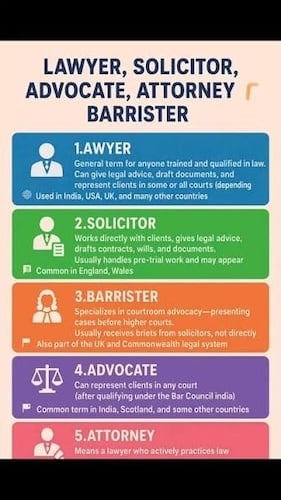
You may already know, law as a career is very different in the UK than in the US. For one thing, there are no “lawyers”: there are barristers, and solicitors. While the former tries cases in court, the latter deals mainly with things such as contracts, and serving as legal counsel. If you have a law degree from an American law school, you may be worried that you’ll be out of luck in the UK. However, that’s not entirely true.
Due to the complexity of the legal profession, whether your US legal training and experience can translate to a UK job will be highly variable, and you may need to take UK qualifying exams depending on the legal work you want to do. However, many US-based law firms have UK offices, and these American firms often hire American lawyers (and sponsor visas) with minimal red tape involved. While, again, the process is highly dependent on your legal sub-specialties, generally corporate lawyers will have an easier time finding work in the UK than, for instance, those who specialize in criminal law.
Education
Education as a career can have complex licensing requirements, which vary depending on what level you plan to teach at. For instance, to teach at the undergraduate or postgraduate level as a lecturer or professor, you’ll generally only need a job offer (and a visa type that permits you to work in the UK) and the relevant degree (generally a PhD or other terminal degree in the field).
For a variety of reasons, there are slightly more regulations governing teaching at the secondary or elementary (called primary in the UK) levels. However, if you’re a qualified teacher in the US, you can work in the UK—for a time. If you have a bachelor’s degree and valid US teaching license, and a suitable visa status, you can teach in the UK for up to four years without Qualified Teacher Status (QTS). There are a variety of ways for you to gain QTS once you’ve arrived in the UK, just be sure to start the process soon enough so that you don’t risk hitting the four-year limit without having attained QTS certification.
Finance
While working in finance doesn’t have as strong a traditional association with qualifications and titles as law or medicine, it’s still worth considering if there will be any hurdles when it comes to transferring your finance experience from the US to the UK. One of the most popular fields for international recruitment, finance jobs will often help ease the transition for employees who are new to the UK.
Generally speaking, finance qualifications are not legally protected, and your experience and credentials will transfer automatically. The one exception is a specific qualification within accountancy—Chartered Accountants. In order to become a Chartered Accountant in the UK, regardless of your US qualifications, you will need to pass specific exams. Chartered Accountants can command more specialized work, and often higher wages, in the UK after earning this title.
Trades
Professional qualifications aren’t just for white-collar jobs. Many American tradespeople undertake lengthy apprenticeships or attend trade school before becoming certified in plumbing, electrical work, carpentry or another trade. Generally speaking, these jobs will require a sponsor for a Skilled Worker Visa, so you’ll need to speak to potential visa sponsors about whether or not your US qualifications will transfer over smoothly. Remember, any work with natural gas systems is monitored by the Gas Safe Register, and you are legally required to pass qualifications with them before working on gas systems in the UK or the Channel Islands.
Beyond that, though, trade regulations are highly varied in the UK depending on the trade, and you will have to look into your specific trade for details. For instance, getting qualifications for an electrician to transfer is substantially more regulated than the transfer of plumbing qualifications, and if you’re not arriving on a Skilled Worker Visa (if, for instance, you’re moving to the UK with a spouse via a Family Visa) you may need to do the research into qualifications on your own.
Whatever career path you’re pursuing, switching countries can be a big move–with big adjustments in store. Beyond ensuring your qualifications can transfer, be sure to consider things like average salary, work culture, and where in the UK you’re likely to be working before you make the jump.
If all of that sounds good to you, good luck, and happy moving!
–––––––––––
Read more about the UK here in Dispatches’ archives
See more from Ellery here.

Ellery Weil
Dr. Ellery Weil is a writer and historian based in London. She was born in Washington, DC, raised in Maryland, and attended undergrad in Ann Arbor, Michigan, before moving to the UK to attend grad school at University College London, where she earned her PhD in History. She lives in London with her husband, where you can find her writing, reading, petting dogs in Regent's Park, and exploring the city's antique markets.