

While self-employment in the United Kingdom can have substantial differences from the process in the United States, there are even more considerations if you want to start a business where there are multiple founders, employees or other parties involved. For Americans in the UK, who might not have gone through the process in America before, let alone abroad, it can be especially daunting. But you shouldn’t let that stop you.
But how do you get started? Are there legal limits on Americans starting businesses in the UK? And how do you ensure you’re doing everything right, before a mistake lands you in trouble?
Let’s have a look at some of the basics:
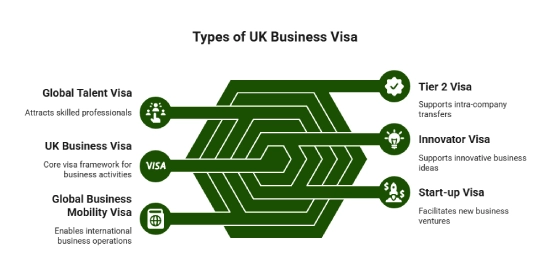
Check your visa terms!
Don’t start a business you’re not legally allowed to own.
Seems like it shouldn’t need to be said, but for expats, a simple mistake could actually be a crime.
Depending on your visa type, you may not be legally permitted to start a UK-based business. And even if you are, there may be limits on what kind of business you can start and what your role in it can be.
Specifically, if you’re on a student visa, you can’t take on any form of self-employment, including starting your own business, although you can once you’re finished your studies, applied for – and received – a graduate visa. If you’re on a Skilled Worker visa, you can only work at your own business for 20 hours per week or less, while if you hold a family visa, you have no limits on your employment (so long as you and your spouse stay above the income requirements). There is also the Innovator Founder visa, which is specifically designed for those who are planning to start an innovative business in the UK.
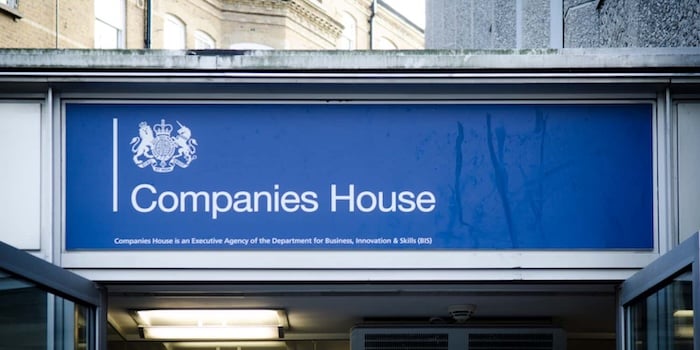
Companies house and registration
One of the major steps in starting many UK businesses is registering with Companies House. While if you’re a sole trader, similar to a self-employed person, you don’t need to do this, all limited companies and LLCs will need to register. Registering with Companies House makes your business name and company address a matter of public record, and helps ensure that you’re paying your taxes correctly.
Registering with Companies House is relatively simple, and often takes as little as 24 hours. You’ll need to choose a name for your business, fill out the relevant paperwork online, and pay a fee (starting at £100, but more for analog filing or same-day registration. Then, just wait for your registration to be processed, and voila! You’re registered, and can begin doing business.
Knowing your responsibilities
As a founder or co-founder of your business, you’ll likely have another title within the company itself. What that title may be is up to you (and any co-founders, of course). But depending on how you’re officially recognized within your company, this can affect what you’re responsible for. For example, while a company CEO may or may not also be a company director, under British law, company directors (there can be more than one) have very specific responsibilities to the company to prevent mismanagement or fraud. Directors are often paid a salary from company funds, but need to carefully document and follow procedure to do so.
Business banking?
Generally speaking, you’ll want to have a business account for banking that’s separate from your personal accounts. This is important in order to ensure that your bookkeeping stays in order, to keep your business accountable, and to prevent confusion when it comes to payroll, profits, and company expenses.
Most major British banks offer business accounts, but which one is right for you will depend on a variety of factors. One major consideration is that if your business is likely to be handling cash transactions (common for businesses like a cleaning service, or a store selling physical goods), you’ll want to choose a bank with branch locations convenient to you. You should also read the terms carefully of any accounts you’re considering, and ensure that your business is and is likely to remain eligible, before signing up for an account.
Don’t forget your taxes
Like all business owners, once you’re up and running, you’ll have to pay your taxes. What kind of taxes will, once again, depend on whether you’re a sole trader, or part of a limited company. You may have to pay National Insurance fees (similar to social security) as well as income tax on your earnings. There are other taxes you may be liable for, including corporation tax and VAT, depending on your specific business. There’s a website that outlines the details of all of these, and the HMRC can also help ensure that you’re in compliance.
Remember, starting a business is a big step—and a big adventure, Don’t let the details make you forget why you started in the first place. Good luck, and happy founding!
––––––––––––
Read more about the UK here in Dispatches archives.
See more from Ellery here.

Ellery Weil
Dr. Ellery Weil is a writer and historian based in London. She was born in Washington, DC, raised in Maryland, and attended undergrad in Ann Arbor, Michigan, before moving to the UK to attend grad school at University College London, where she earned her PhD in History. She lives in London with her husband, where you can find her writing, reading, petting dogs in Regent's Park, and exploring the city's antique markets.