(Editor’s note: This post on Croatia’s new “green” AI data center is part of our Tech Tuesday series. Dispatches covers tech because so many of our highly skilled internationals are engineers and researchers.)
There’s a lot of controversy surrounding artificial intelligence. In certain methods of its application. It’s is very useful. In others, it’s extremely destructive. It has a massive environmental impact, and there is plenty to be skeptical of. Nobody can deny however that its use is becoming widespread, and Croatia is set to get its first AI data center, scheduled to open in 2027.
News items about investments in data centers have been popping up across the internet and in newspapers for many months. It’s clear that such investments are imperative not only for the future, but for the present. Sinisa Malus reports for Croatia’s Business Diary that Croatia is on its way to getting its own AI data centre – but with a twist.
First of its kind in this part of Europe
Head into the Dalmatian hinterland, far from the glam of yachts, seafood and ancient red-roofed towns, and you’ll end up in a place called Trilj. Venture a bit deeper into that area and you’ll come upon a small settlement called Čaporice, population 321 (according to the 2021 census). Right there, in the rugged, often harsh conditions inland Dalmatia is known for, the construction of Croatia’s first AI green data center, entirely unique in this part of Europe, will soon begin.
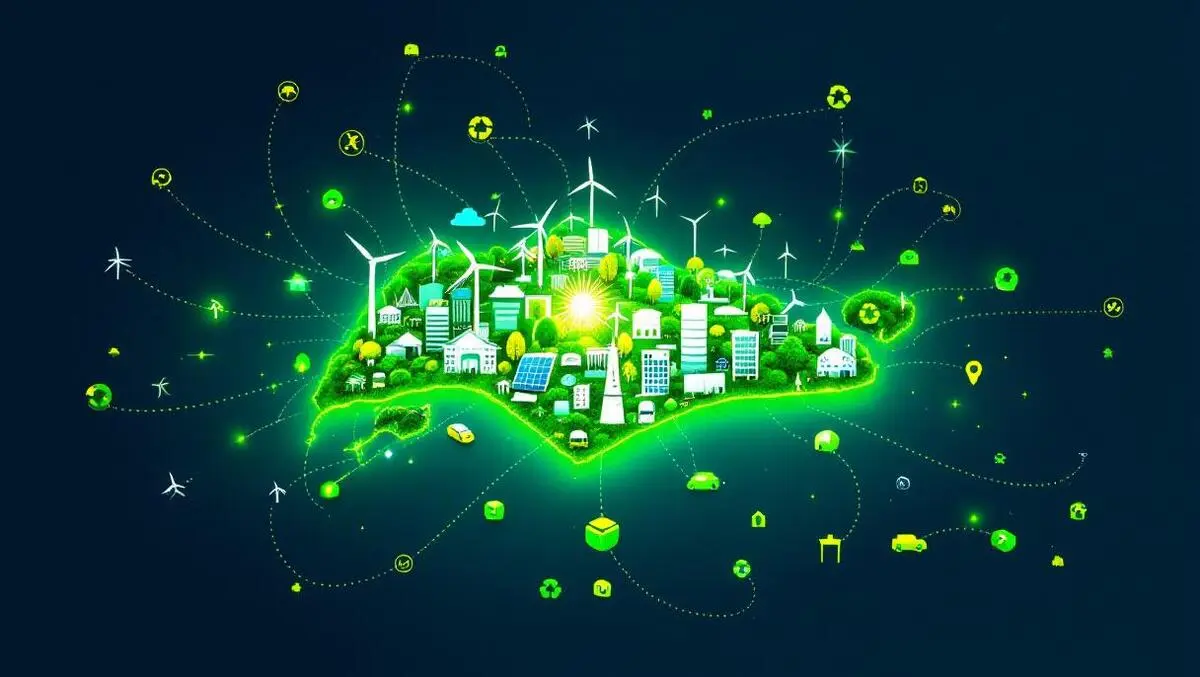
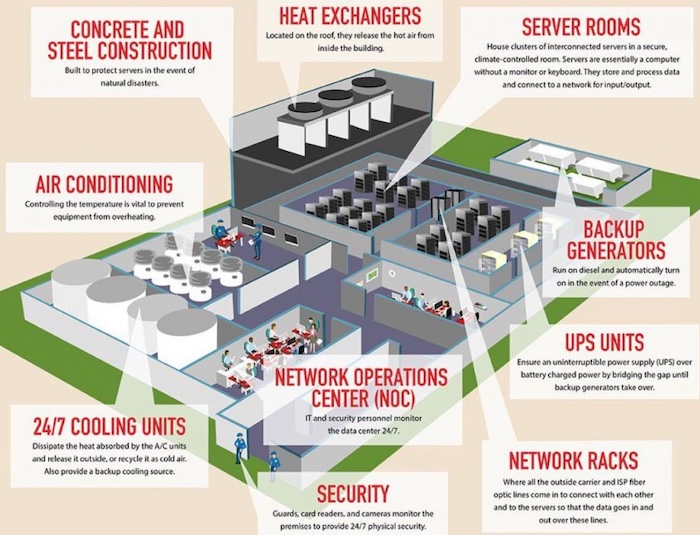
This resource-conscious green data centre is otherwise a crucial part of a wider energy park in which energy is produced and consumed in the same location. In the nondescript location of Čaporice, waste is transformed back into a valuable resource. The heat from the future data centre will also be used for greenhouses and dryers, and as biogas.
The ‘left behind’ Dalmatian hinterland meets the ultra modern
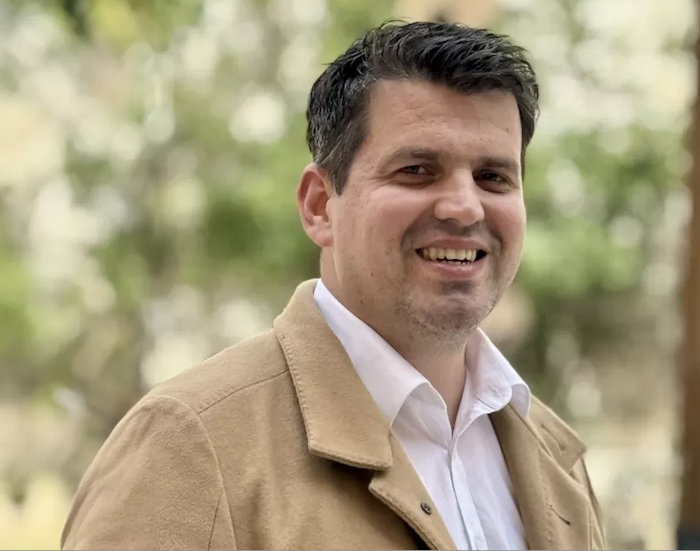
“This isn’t just another tech breakthrough, it’s a new paradigm. It’s digital infrastructure that is simultaneously green, efficient and at the service of the community,” said Ante Čikotić, founder and director of Inovapro, a company that focuses on energy efficiency and R&D.
“Data centres are typically massive energy consumers, and that’s particularly true when it comes to water. What we’re doing is the opposite, we’re going to create a closed system. We’ll produce energy at the point of consumption, and we’ll use the waste heat for dryers and greenhouses,” said Čikotić, adding that this approach will bring not only the desired results but lower costs.
Croatia’s future AI data centre will be more efficient than those in Norway and Iceland “Our (power usage effectiveness) factor, a key measure of energy efficiency, is better than in Iceland or Norway, and this also means up to 30-percent lower costs for users. In our model, both criteria (cost efficiency and ESG) are met,” he added.
The value of this green AI data centre project stands at around 20 million euros, and 17 million have already been invested in the first phase of the energy park.
“Our data centre is three megawatts in size, which is small on a global scale, but extremely important as a pilot project with potential for scaling. It’s going to be the first green data centre supporting AI tech in this part of Europe. We’re already talking to foreign partners about replicating the model if the pilot confirms expectations and we want to export our
product,” Čikotić said.
Away from earthquake zone
The future centre has been designed to withstand 48 hours without external power, it can accommodate classic racks with a power of up to 25 kilowatts and AI racks with a power up to 120 kilowatts. An additional advantage is its location on a different tectonic plate from northern Croatia, making it an ideal backup for banks and critical information systems that need a geographically separate secure location.
What sets this centre apart is that the energy is returned to the community. “We offer farmers infrastructure for processing and storage, and in return we take in biowaste, which we convert into biogas and certified fertilizer,” explained Čikotić, noting that he sees the combination of energy, IT and agriculture as the key to Croatia’s competitiveness.
Why the Dalmatian hinterland?
The Dalmatian hinterland is somewhere you’re more likely to associate with eating frogs and riding horses than AI.
Čikotić’s answer to “Why here?” was a simple one:
Because someone has to dare to do it. We’re from Split and we know how many incredible people and potential there are in inland Dalmatia. Land prices are acceptable, and the location has plenty of
natural advantages. This is an opportunity for this part of Dalmatia to be at the heart of future municipal infrastructure.
Inovapro has worked on projects in municipal infrastructure, energy, AI tech and data centres.
–––––––––––
Read more about Croatia here in Dispatches’ archives.

Lauren Simmonds
Lauren Simmonds is the editor of Total Croatia News, the largest English language portal in Croatia. She lives in Zagreb, Croatia, and is a translator, content writer, interpreter and the co-author of "Croatia - A Survival Kit for Foreigners," which was published in 2022.