
If you live in Sweden, or you’re thinking of moving here, you’ve probably noticed that everything feels a bit more expensive lately. Rent, food and even your daily fika. Though inflation has slowed from the peaks of a few years ago, prices haven’t gone back down. Instead, they’ve just … stayed put.
Sweden has always been on the pricier side compared to other European countries, but in 2025 the cost of living looks different depending on where you are and how you live. Stockholm and Gothenburg are still in a league of their own, while smaller cities and rural areas are more forgiving, though you’ll trade convenience for some extra breathing room.
Also, it’s important to note that inflation in Sweden is faring better than in other advanced industrial nations such as the United States. For example, in late 2025, inflation in Sweden was slowing while inflation in the US had increased to 3 percent, the highest since January, according to the BBC.
Housing: The big budget biter
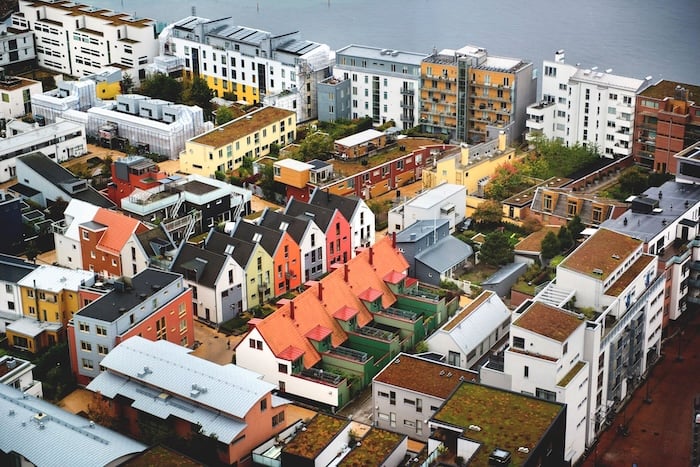
Housing is easily the biggest expense for most people. In Stockholm; a one-bedroom apartment in the city center can easily cost around 13,000 to 16,000 Swedish Krona per month (about 1,200 to 1,500 euros, or about $1,400) while in smaller towns or suburbs you might find something in the 8,000 to 10,000 SEK range (734 to 920 euros, or about $1,200). Waiting lists for long-term rentals are still absurdly long, and buying is no easier. Interest rates have come down a little, but mortgage costs and down-payment requirements keep ownership out of reach for many newcomers.
If you’re planning to move, it’s smart to start with housing. Where you live will shape the rest of your budget. Expats who can work remotely often choose smaller cities such as Umeå or Växjö, where rent is lower and life feels calmer (plus you might find an apartment before the next Ice Age).
Food and daily life
Groceries are another area where people are really feeling it. Food inflation is still hovering around 4 to 5 percent, and everyday basics – dairy, coffee, fruits and vegetables – have been the biggest culprits. Many Swedes have responded by switching stores or skipping restaurants entirely. Even fika has gotten pricier; a cappuccino and pastry can now run 80 to 100 SEK (7 to 9 euros, or about $11) in many cafés.
There’s been a noticeable shift toward budget chains like Willys and Lidl, and apps that compare prices or flag discounts have become part of the weekly routine.
It’s not about cutting corners, but about staying sane in a country where many previously ”normal” things have become small luxuries.
Utilities, transport and the hidden cost of living
Heating and electricity bills are better than during the 2022 energy shock, but they still spike in the winter, especially if you’re in an older building. A modest apartment can see 1,000–2,000 SEK per month (92 to 185 euros, or about $210) in energy bills when it’s cold. Internet and mobile plans are fairly stable, around 300–500 SEK (30 to 46 euros or about $50) monthly.
Public transport has quietly gotten more expensive too. In Stockholm, an SL card is now about 1,090 SEK per month, and other cities aren’t far behind. The good news is that trains and buses generally run on time and connect you EVERYWHERE; buses even go out to the back country. So it’s a worthwhile expense, especially since owning a car is even more expensive with parking fees and tolls.
Can you still live comfortably?
Yes, but it depends on your setup. A single person living modestly in a large city might spend 18,000–22,000 SEK per month (about 2,000 euros, or $2,400), while a family of four could easily hit 40,000 SEK or more (3,700 euros, or $4,300) depending on rent. Smaller towns or shared housing can cut those numbers significantly.
The key is flexibility; being open to different locations, using comparison tools, and learning what’s actually worth paying extra for (like a well-insulated apartment is helpful).
Looking ahead
Swedish consumer prices rose 0.5 percent in June from the previous month and were up 2.9 percent from the same period a year earlier, according to the Swedish statistics office (SCB). Setting volatile energy prices aside, inflation was 3.3 percent compared to June 2024, above projections of 2 percent by central bank officials. But again, not out of line with comparable industrial countries.
Most forecasts suggest inflation will start to cool through 2026, but prices probably won’t roll back to pre-2020 levels. Sweden’s economy is steady but cautious, and policymakers are more focused on housing supply and long-term stability than quick fixes.
For now, adapting is crucial. Whether that means moving out of the city center, getting creative with meal planning, or simply embracing the art of the secondhand find — living well here is still possible, just with a bit more strategy (and maybe more dinners at home).
––––––––––
Read more about Sweden here in Dispatches’ archives.

Jess Bretin
Jess Bretin is a communications and content specialist, and an American living in Gothenburg, Sweden. While in the states, she spent 2 years on the road living in a van and visited every state. She then married a Frenchman, so she has spent alot of time in France. Jess is also a singer/songwriter in a rock band and loves to cook and stand-up paddle board.
See her posts here:
• Walk like a Swede, talk like a Swede: How to make friends in Sweden
• Chistmas in Sweden: Tradition, light and togetherness
• The cost of living in Sweden 2025: What's actually going on.