

In a highly uncompetitive housing market such as the Netherlands, prices are high and tenants are forced to comply or even overpay if they want a roof over their heads. This applies to buyers and renters alike.
With demand as high as it is, and supply only slowly increasing, there is very little room for negotiation. Foreign nationals bear the brunt of the problem.
With less connection to cheaper housing and knowledge of housing assistance platforms outside of real estate agents, many expats fall into unpleasant and expensive living situations.
A recurring problem for expats
Across the Netherlands, the government sets a price bracket for the rental cost of a property which takes size, number of rooms, facilities, location, age of building, outdoor space and energy efficiency into consideration. With regard to national energy targets, landlords are incentivised to upgrade the energy rating of their properties by adding double glazing, insulation and solar panels. Buildings that are rated A A++ are eligible to charge a higher price. The maximum legal price for a rental property is set for any given property with all factors considered.
But it seems to be for many expats that the restrictions do not apply to non-Dutch renters.
And less experience in the renting climate comes at the cost of being taken for a fool.
There are policies and platforms in place to protect tenants’ rights and encourage renters to call out the monthly cost of their home. Bills included. It’s knowing where to access these platforms that foreigners need the most help with. The phrase “If you don’t ask you don’t get” comes to mind …
Meanwhile, in the Dutch housing climate
Since laws regarding tax on second-and-third-owned properties changed in January 2025, many landlords sold rental properties, evicting their tenants. Hundreds of properties went up for sale from landlords who didn’t financially benefit from new landlord taxes. It means that there were more new homes on the market available for first time buyers.
Amongst my peers (post-grads, artists and young professionals under 35) many people had to move because their landlord was selling.
It felt as if all at once, everybody was looking for a place to rent. It’s common to be always on the lookout for a better home amongst expats and Dutch people alike.
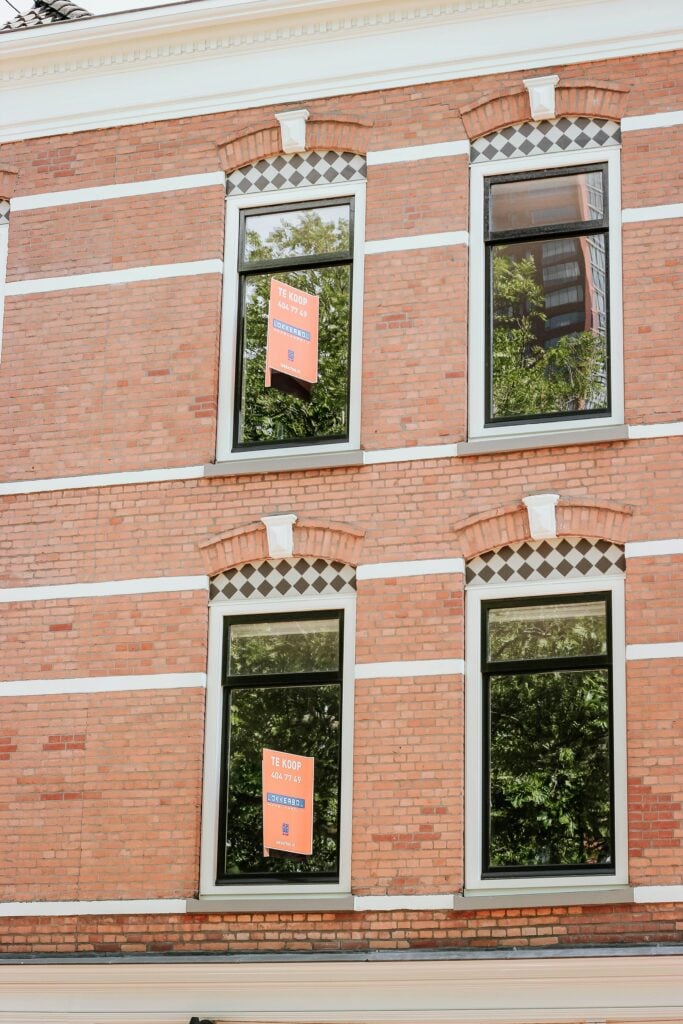
Some of my friends have begun to buy apartments in Amsterdam, but the majority earn too little to ever afford to buy a house or flat. A large portion of the housing market is made of renters, those who don’t qualify for social housing but are not able to buy. With fewer cheap renting options the market is squeezed, pushing up rental prices and making it more attractive to be a landlord.
The Good Landlord Act came about in 2023, in the form of general rules which protect tenants from undesirable situations. It’s important for renters to know that no landlord can deny their tenant registers with the municipality at the address they live, landlords cannot pass the costs of vacancies onto tenants, and a landlord is not allowed to enter your living space without permission.

Huurcommissie: Who they are and how they can help
Two friends of mine who live in Amsterdam have recently discovered their neighbours, with an apartment identical to their own, pay €700 less per month than they do. After discussing with friends, they heard that another friend of theirs was going through a “rental price check” process via a platform called Huurcommissie. They inspect the quality of the property according to outlines set out in the Besluit Huurprijzen Woonrumite (housing rents decree that is only available in Dutch). A point score is given to all new rental properties as of January 2025. Huurcommissie helps determine whether you are eligible for rent reduction. In the Netherlands, it is available, but only if tenants are proactive and ask for it.
Who benefits?
If renters, young people and foreigners had knowledge of – and access to – such organisations, they would be better equipped to dispute rental costs. With something as necessary and hard to come by as a good place to live, it’s easy to see why renters wouldn’t call out their landlord and risk being evicted.
The Huurcommissie offers a guided process.
When people have access to their rights, they are empowered. It is important when moving to a new city to get to know the law and how it can benefit you too. A guide to disputing rental costs gives individuals the opportunity to know their rights and take action to restore them.
If enough people questioned their rights (rental costs included), a culture of citizen-driven social policing would encourage more transparency, respect and adherence to policies designed to protect vulnerable citizens … and exploitative landlords would be caught out.
••••••••••
Read more about Housing on Dispatches here in Dispatches’ archives.

Co-CEO of Dispatches Europe. A former military reporter, I'm a serial expat who has lived in France, Turkey, Germany and the Netherlands.