For years, Vietnam has been recognized as a destination where international patients could access medical treatments at a more reasonable cost than in many Western countries, or even in the Southeast Asia region. However, today, the affordability is only part of the story. The government is moving to develop medical tourism through a national strategy, and hospitals are expanding internationally oriented services, attracting more overseas patients.
This shift reflects a broader goal: to position Vietnam as an emerging healthcare destination in Southeast Asia, supported by improving medical experts, modern facilities and international standards.
Vietnam’s ambitions extend well beyond offering affordable treatment. The Ministry of Health is developing a national strategy to promote medical tourism through 2030, with the goal of positioning the country as a trusted healthcare destination in Southeast Asia. One of the strategy’s targets is to have at least 15 hospitals, including both public and private, achieve international accreditation, such as JCI (Joint Commission International accreditation standards for Hospitals), by 2030. Especially, all pilot hospitals must provide multilingual information in at least three languages—Vietnamese, English, and either Chinese or Korean.
They are also required to establish international marketing and communication units.
Beyond the hospital’s service upgrades, the strategy also encourages integrated healthcare-tourism- wellness models that link hospitals with hotels, resorts, and tour operators.
Courtesy of VinMec Hospital
The goal … attacting more foreign patients to Vietnam
According to the draft plan of the Ministry of Health, five cities and provinces, including Hanoi, Ho Chi Minh City, Da Nang, Quang Ninh, Khanh Hoa, will be key destinations where the model is put into practice for the first period. This combination of the two sectors creates benefits and sustainable development for both, expanding high-quality services and attracting more foreign patients to Vietnam. Those ambitions are supported by tangible advantages that are making Vietnam an increasingly attractive option for international patients. Competitive treatment costs remain one of the strongest advantages. Many services – from dental care to fertility treatment – are available at significantly lower prices than in other developed countries. Dental care has become a major draw.
The number of international patients seeking dental treatments in Vietnam has increased steadily, with the cost just around one-third of the price in the United States or Australia. This affordability has long drawn overseas patients who are seeking quality care without high costs.
Timely access to healthcare services is also another advantage. This helps patients and visitors arrange appointments, diagnostic tests, and treatment with minimal administrative barriers. The ability to receive medical care without lengthy delays is as valuable als the lower treatment costs—not only for ocals but also for international travelers, expats and retirees.
Doing more for less
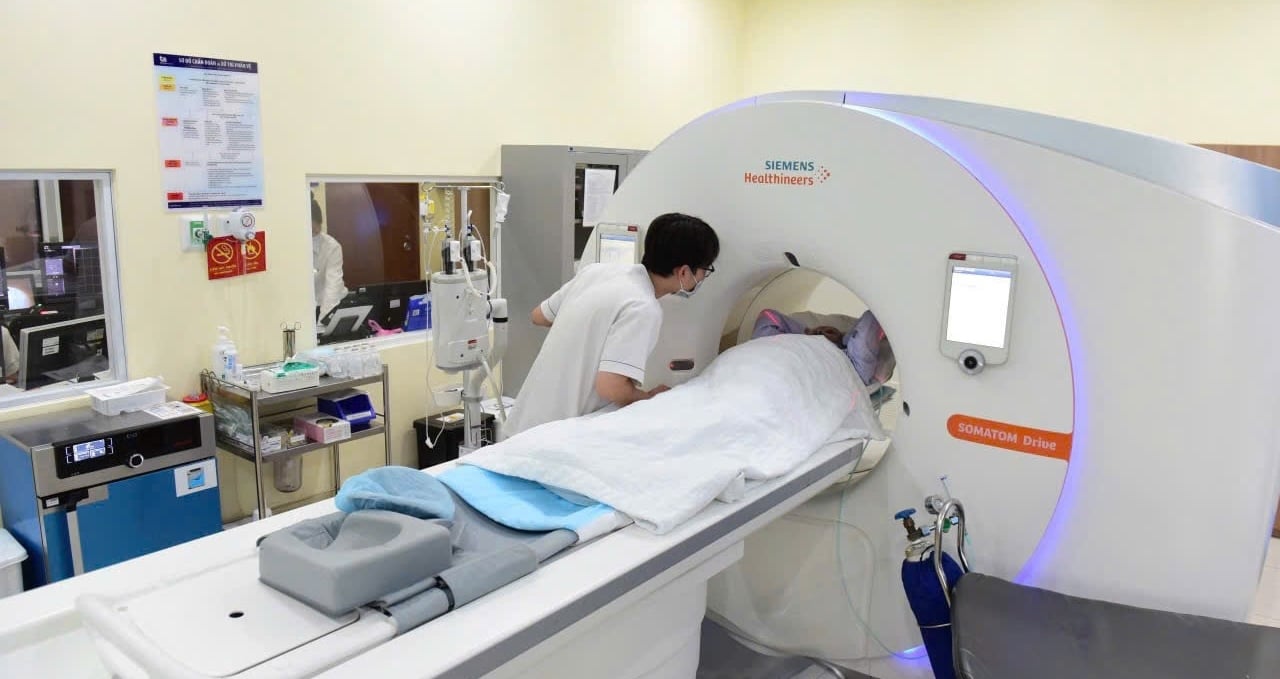
The capabilities of Vietnam’s healthcare system are also expanding. In recent years, the country has developed expertise across a growing range of complex procedures. More than 30 hospitals are licensed to carry out transplant surgery, according to the Ministry of Health. Vietnam now performs six types of organ transplants including kidney, liver, heart, lung, pancreas, and intestine with high post-transplant survival rates.
Another area of strength is fertility treatment. With more than 50,000 in vitro fertilization cycles each year, the country has also become an established destination for this method. One treatment cycle here typically costs between $3,200 and $5,000 compared to around $10,000 in Singapore or Thailand and more than $25,000 in the United States. These developments have broadened the range of services, adding to Vietnam’s appeal as a destination for healthcare.
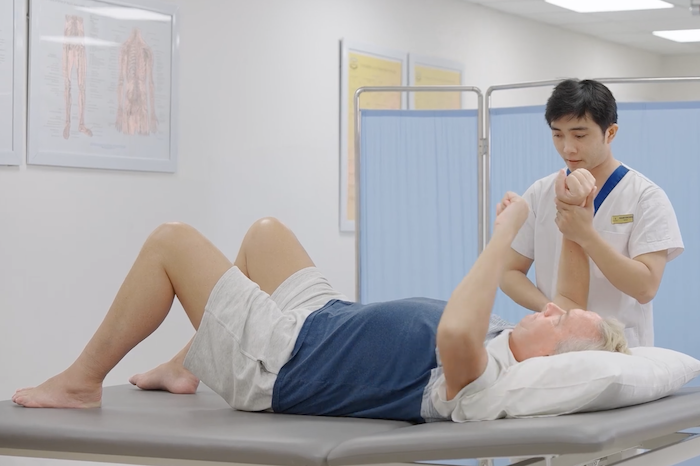
Besides conventional medicine, traditional medicine also continues to attract international patients. Hospitals and specialized institutes have reported growing demand from overseas Vietnamese and foreigners from countries such as Japan, the United Kingdom, New Zealand and France for acupuncture, herbal medicine and rehabilitation therapies, particularly in chronic conditions and post-surgery recovery.
Together, these strengths – affordability, competitive costs, the expansion of clinical expertise, and range of treatment options – are giving international patients more reasons to consider Vietnam for care. Many hospitals also place a strong emphasis on personalized support throughout the treatment journey, helping create a more reassuring experience for overseas patients.
While Vietnam has just started the first steps of eveloping medical tourism, the above advantages provide a solid foundation. The next challenge will be turning all existing advantages into a sustainable and internationally recognized healthcare ecosystem. Building trust among international patients, maintaining quality standards, and expanding global connections will be keys to the country’s long-term ambition—shaping itself in a new role in Southeast Asia’s healthcare landscape.
Huyen K. Nguyen is a freelance travel writer based in Hanoi, Vietnam, specializing in travel, food, and lifestyle. She spent eight years working in the international hospitality industry at five-star hotels before turning to writing full-time. Her articles and translations have appeared in several Vietnamese online publications. With a passion for storytelling, she brings cultural insight and personal experience to every piece. In her free time, she enjoys traveling, reading, and photography.
Receive the latest news and updates from Dispatches Europe. Get lifestyle & culture, startup & tech, jobs and travel news dispatched to your inbox each week.