(Editor’s note: This post on being self-employed as an international in the Netherlands is part of our Tech Tuesday series. Dispatches covers tech and business because so many of our highly skilled internationals are entrepreneurs.)
After eight years of self-employment – six of them here in the Netherlands after moving from the United Kingdom – I’ve recently stepped back into full-time employment. Along the way, I picked up a lot of practical lessons about being self-employed as an international in the Netherlands. I want to share some of these insights, because I believe self-employment can be a great way to have a ‘soft landing’ in a new country. It helps you get started where barriers to traditional employment might exist, and the tools available today make the process easier than ever.
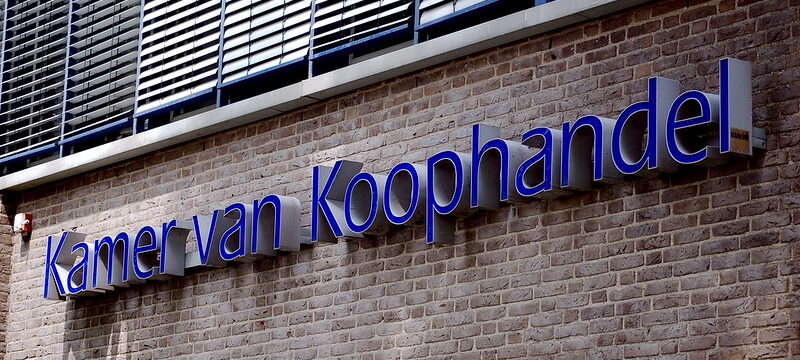
The KVK – the Dutch Chamber of Commerce
My first step after moving here was to register my business. This was easy enough to do. Just book an appointment and a real person advises you how to classify your business within the Dutch system. I didn’t need to register as a limited company as I had in the UK. The Dutch category for a sole proprietor or freelancer (eenmanszaak) brings with it a lot of flexibility. You can, apparently, employ other people as an eenmanszaak, and you can have multiple businesses listed under one registration.
This was helpful to me at the beginning as I was exploring a couple of options and didn’t know which one was going to work best. Six years ago the KVK weren’t running events in English, but checking their website, I see that they are now. For anyone new to self-employment, this would be a good idea.
Tax advice
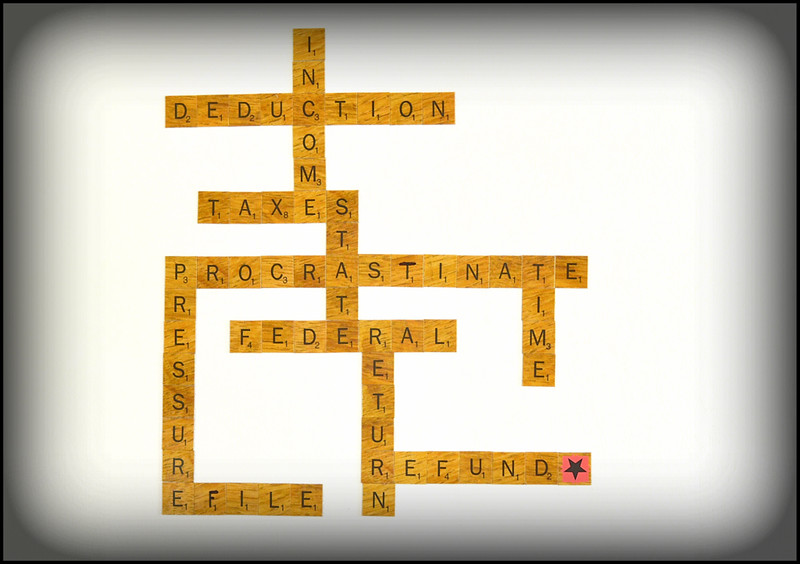
Whether you have a small company or are a freelancer you will always need to pay taxes. There are quarterly VAT returns (called BTW in the Netherlands) on your invoice income (omzet) and the end of year income tax. You can apply for an exemption for the BTW tax through the KOR (kleineondernemersregeling) if your turnover is under 20,000 euros.
The government website provides lots of good general information in English, but my calls with specific questions to the belastingdienst (Dutch tax office) always left me frustrated as they would hold back answers if you want to get specific. It is important to remember that the belastingdienst are not accountants or financial advisors. However they can point you towards relevant business advice.
It took three years of struggling with my taxes on my own before I discovered Blue Umbrella, a tax specialist for internationals. This made filing my quarterly and annual taxes much easier and I wish I’d known about them sooner. The subscription may seem steep for those starting out, but they can take care of everything, from bookkeeping to income tax reports, without fearing mistakes and they are available by phone and email to answer any additional queries.
Banking
I rejected the original idea to open a business account with one of the traditional Dutch banks as the fees were too high, opting instead for an online bank called WISE. Since many of my payments came from the UK, this was a great option for me as they are well set up for international payments from a wide range of countries. It’s very easy to make payments to and from accounts that don’t have an IBAN, such as UK accounts which can be identified with an account number and sort code. making receipt of income much easier.
Insurance
This was one of the areas that stumped me for a time as the setup is different to what I was used to in the UK. As a consultant dispensing advice, it is customary to have professional indemnity insurance. In the UK I could purchase this online in a matter of minutes, filling in a few online questions as to the nature of my business. I received a discount on rates due to my membership of a professional body. Soon after I arrived in the Netherlands the pandemic broke out and everything was in crisis mode. It was not a good time to be approaching companies.
I picked up some coaching work and was told that it was not necessary to have insurance as a coach in the Netherlands. This surprised me a bit. When things picked up and I got my first in-company work, I hunted around again for insurers. I was hitting a blank, so I contacted one of my Dutch friends who was a freelancer. She explained that in the Netherlands you go through a broker, and thankfully she put me in touch with one.
The broker did his job and found me a suitable provider, and I translated the contracts from Dutch to English before signing and making payments, albeit at a much higher rate than I’d had in the UK. Once that was in place the annual renewal (which was then direct with the company the broker had recommended) was straightforward.
Selling business-to-business
Being a freelancer can be lonely, even more so when you are in a new country. I was providing professional B2B services and offered consultancy and training. I wanted to find a community with others in the same space as me. I eventually came across a fellow Brit, Jess Lorimer, who runs the C-Suite – an online portal of tools and resources, in-person days and an online community. She has a podcast that I can recommend to anyone is looking to master the art of business development and selling professional services into corporate organisations.
This global community of solopreneurs, and the resources and tools Jess provides were invaluable in supporting me work out my business strategy, build business development processes (e.g. getting new clients) and fine-tune activities like proposal writing.

(flickr)
Marketing: what’s in your tech-stack?
The other interesting area for any business, whether large or small today, is the tech-stack. Marketing these days is digital, if you hadn’t noticed. With social media, websites, lead magnets and mailing lists, it’s very easy to end up with spending all your time working on your tech. As fascinating as it is to learn a new tool, it’s not the main thing you want to be spending your time on. After teaching myself how to use countless new tools, figuring out how to get them all to talk to each other, multiple monthly subscription costs, and never being able to speak to a human when I hit a problem, I was getting frustrated.
And that’s when I came across TekMatix.
TekMatix is an “all-in-one” platform. You can build multiple websites, manage contacts, create email accounts, build an entire curriculum of online courses, manage your social media and create lead magnets all on one platform. But the thing that sealed the deal for me was that you can talk to a real person when you need help.
There is a live chat option where messages are answered by a human being and you can book a 1-hour support call for a small fee where they will build whatever it is you need per your guidance. It’s so good that I’m keeping my subscription even though I’m not officially currently trading. My business aside (customer newsletters, lead magnets, contact management) I’ve built two additional websites (one for my blog, one for my husband) and used it for the launch and sale of my book.
Final thoughts
Freelancing gave me more than just an income. It gave me a way to start to build my network beyond contracts and opportunities. It brought me community, people to talk to when the going gets tough and people to share successes with when thing have gone well. If you’re considering the freelance route in the Netherlands, I hope these lessons save you some time, money, and frustration. And if you’ve walked this path yourself, I’d love to hear what you’ve learned too.
———
Read more about expat business here in Dispatches’ archives.

Rachel Arts
Rachel Arts originally is from the UK but relocated to Eindhoven in 2019 with her husband. Rachel is an entrepreneur. Her business, Talentstorm, draws on her 20-plus years in corporate learning to help develop individuals and organisations. Rachel writes about her start-up life at rachelsround-up.com.