
Every September, the Journées du patrimoine turn France into an open house — from presidential halls and grand museums to private castles and forgotten corners hiding in plain sight.
The Journées européennes du patrimoine — the European Heritage Days — return on the weekend of 19 thru 20 September, turning the country into an enormous, brilliant museum with no admission booth and occasionally no idea what you’re going to find when you walk through the door.
Castles open their gates. Government buildings surrender their corridors. Museums offer free or reduced admission.
Churches, theaters, gardens, workshops and historic houses welcome visitors into spaces that are normally kept very firmly off-limits. And then there are the places you cannot enter the rest of the year. That is where the fun begins.
France has an almost embarrassing amount of stuff worth looking at, scattered across the countryside as if someone tipped over a very large, very old toy box. Some of it is famous. Some is jaw-dropping. Some is historically important in a way that would make a professor weep with joy. And some of it is simply a magnificent old building you’ve walked past for years without ever suspecting that, for one weekend, someone has decided to let you inside.
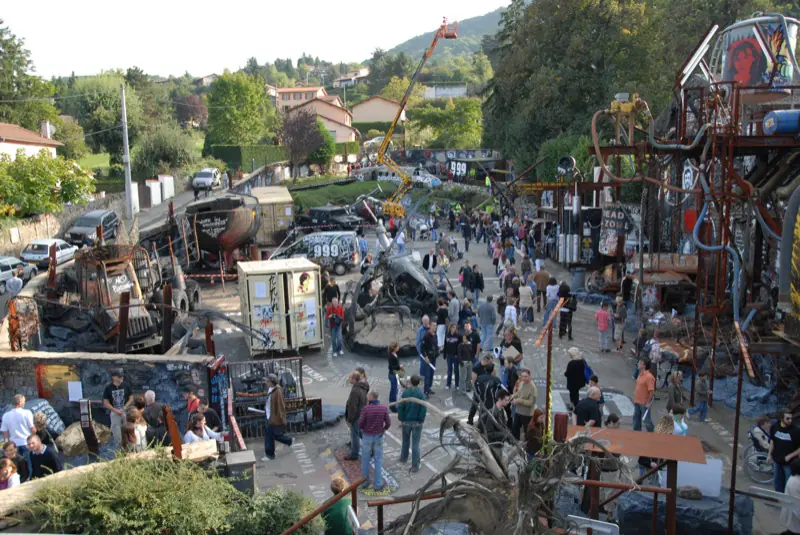
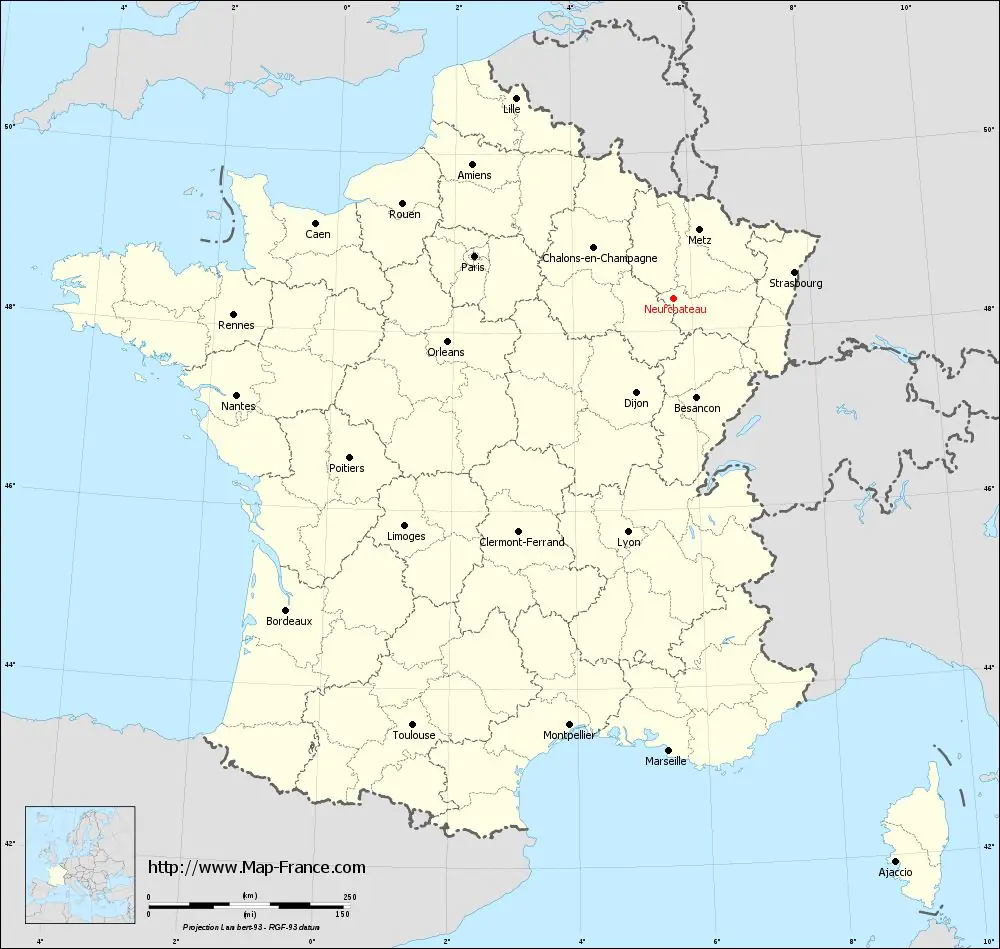
In the countryside (Neufchâteau)
That is particularly true in the countryside.
For example, all within a short drive of my house are the following:
• In Neufchâteau, in the Vosges, the Hôtel Collenel — a privately owned residence dating from the 16th and 18th centuries — opens its doors 19 and 20 September. The owners themselves lead visitors through the house and its collection of Lorraine furniture and works of art.
• Just south of Neufchâteau, in Romain-sur-Meuse, another château will open its grounds on Sunday, 20 September. The 18th-century château, currently undergoing renovation, opens part of the property and its historic park from 9:30 a.m. to 4 p.m.
This is the thing I love about the Patrimony Days: the experience isn’t necessarily polished into a museum exhibit with a gift shop at the end. It can feel more like being let in on someone’s fascinating family secret — the sort where the family has been quietly looking after a chapel fresco for 600 years and would quite like you to see it, just this once.
Burgundy
And if you want to take the heritage weekend south into Burgundy, Château de Pierreclos is a particularly good excuse. Perched on a rocky spur in the middle of the vineyards, this medieval château opens its doors to visitors, with its Romanesque chapel, medieval kitchen and vaulted cellars — and the tour ends in the shop, where you can sample a glass of Mâcon from the estate for a small charge. And if you like it, buy a bottle. Or two. Supporting a Burgundian vigneron is practically an act of civic responsibility, and nobody should be expected to leave Burgundy without taking home something that came in a bottle. Find out more about a guided tour of Verdun-Ciel in Burgundy here.
Paris
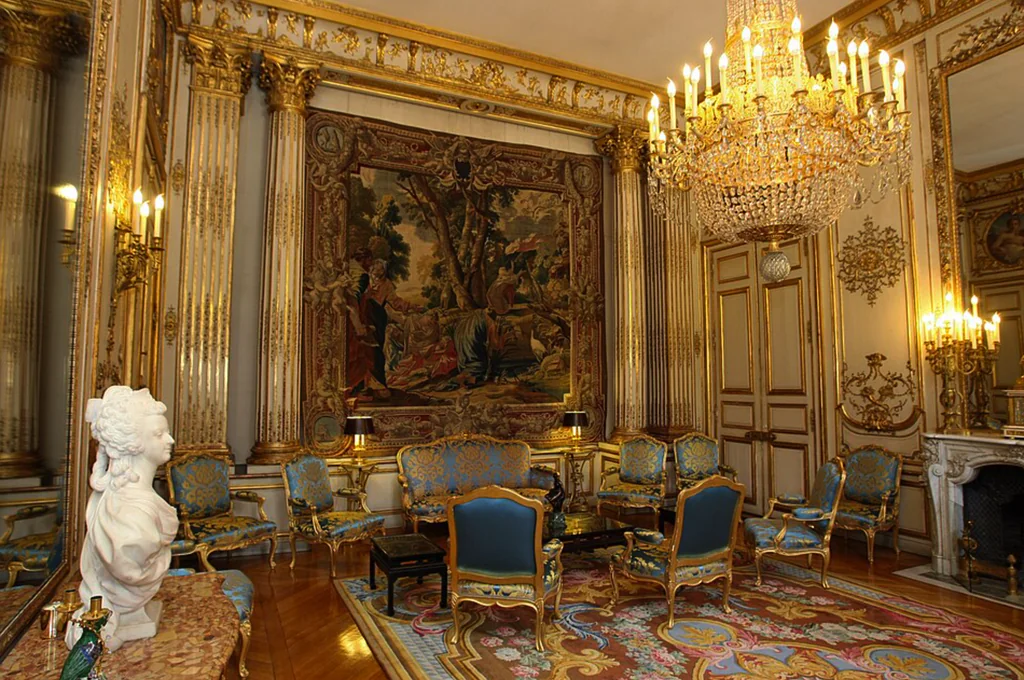
And then, of course, there is Paris, where practically every museum seems to fling open its doors for the weekend. Many museums and monuments offer free admission, while others offer special access, guided tours or limited areas that aren’t normally open to visitors. The most famous queue of the weekend will form outside the Palais de l’Élysée, the official residence of the French president. Think of it as the French equivalent of getting a peek inside the White House.
The Élysée opens during the weekend, allowing visitors to see the presidential office, state reception rooms, courtyard and gardens. It is free but registration — and patience — is required.
Personally, I’d be tempted to skip the heroic queue and go hunting for the places nobody has heard of. That is the real magic of the Journées du patrimoine, since, for me, the free admission isn’t really the story. The unusual access is.
Visit the local tourist office
How do you find the hidden gems? Check at the local tourist offices in the French town which you are interested in visiting.
Because the best discovery probably isn’t the grandest monument on the list. It may be a private house, a forgotten workshop, a village church, a garden behind an ordinary gate — or a castle whose owner has decided, just for one weekend, that the rest of us can come and see what they’ve been quietly living with all along.
France, for two days, unlocks the doors. You just have to work out which ones are worth opening.
Launched in 1984 by then-Culture Minister Jack Lang as the “Journée portes ouvertes dans les monuments historiques” — an open-house day for historic monuments — the event was such an immediate success that Lang proposed extending it across Europe the following year. It became the Journées nationales du patrimoine in 1992, then the Journées européennes du patrimoine in 2000.
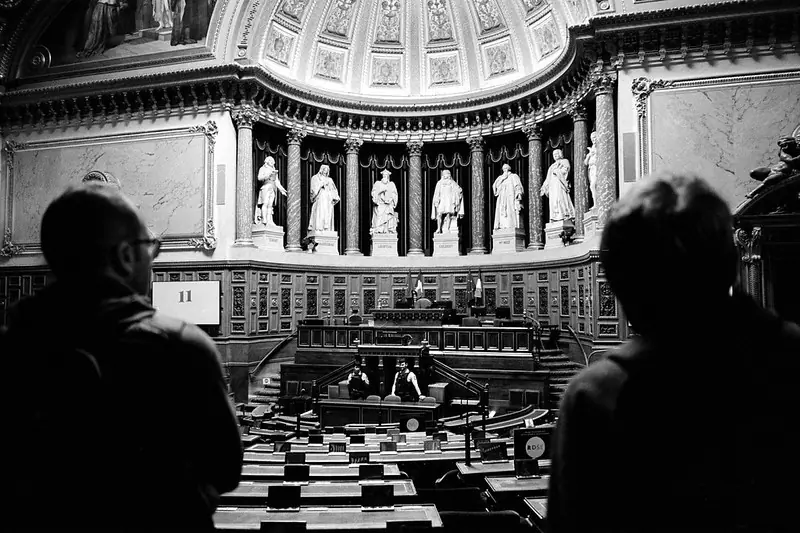
Image source: Flickr
Plan your Journées du patrimoine
Official national program: Journées européennes du patrimoine — official site — Searchable by location, with the 2026 program, special openings and events. This should be your primary link.
Grand Est: Ministère de la Culture — Grand Est program — Useful for readers exploring Lorraine, Alsace and Champagne-Ardenne.
Ouest Vosges / Neufchâteau: Office de Tourisme de l’Ouest des Vosges — Particularly useful for readers following the Neufchâteau angle; it includes Hôtel Collenel and numerous other local sites.
Vosges: 2026 Vosges heritage program — A broader list of events throughout the department.
Interactive map: IGN — Journées du patrimoine 2026 map — The free Cartes IGN app includes the 2026 heritage events on an interactive map, handy for readers who want to make a day of wandering around the countryside.
Château at Romain-sur-Meuse: Official Journées du patrimoine listing.
**********
See more about France here in Dispatches’ archives.
Read more from Alice here.

Alice Verberne is a contributing writer for Dispatches Europe. She has worked in print journalism and magazine production in the United States and Europe throughout her career. She currently resides in France where she enjoys visiting former French speaking colonies and discussing history with the locals.