
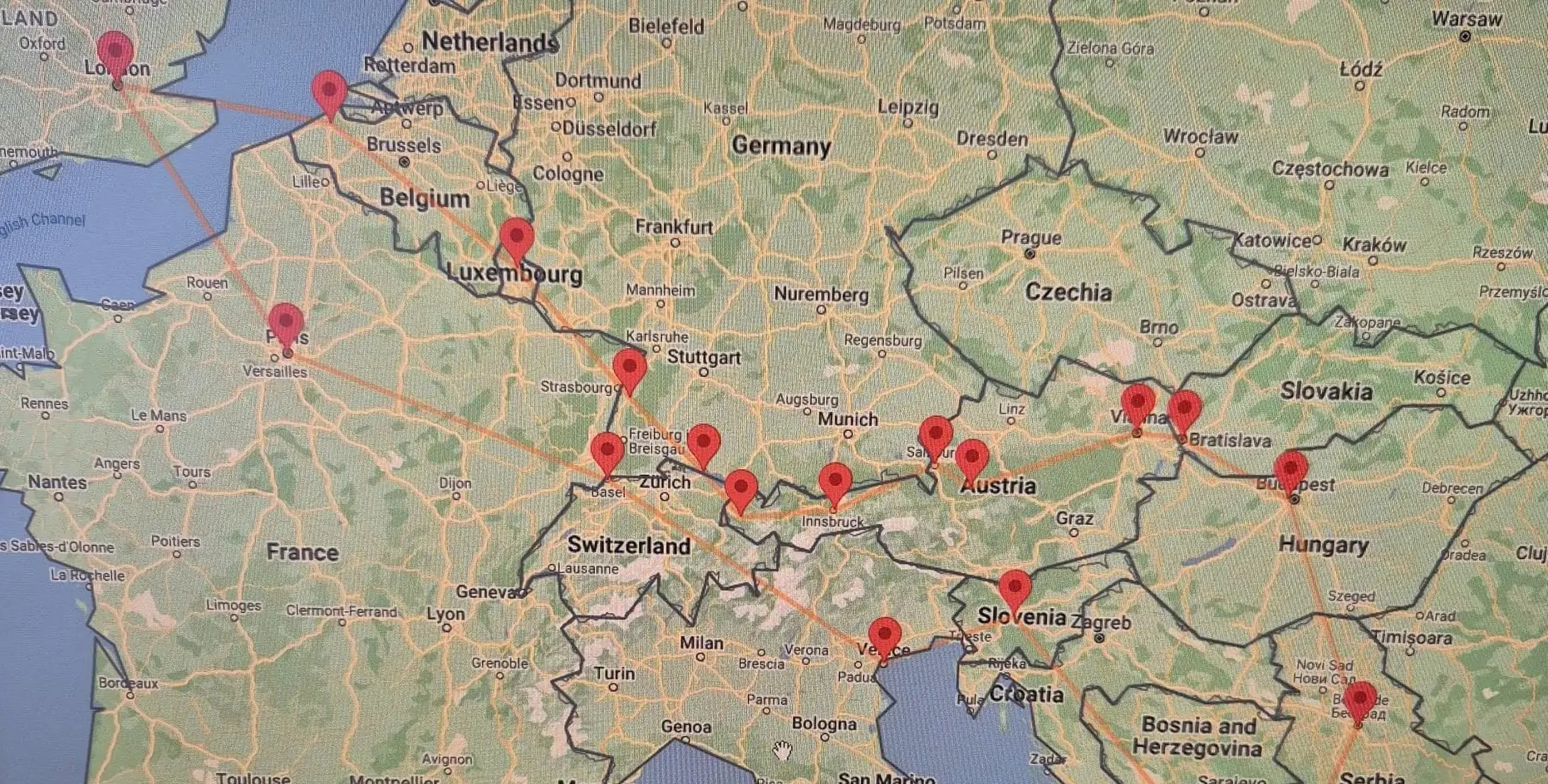
Traveling across Europe can look simple on a map, but staying connected throughout the journey can be less straightforward. A mobile plan that works in France may become expensive in Switzerland, while a train ticket stored in an app may not load when you need it.
Most travelers rely on their phones for directions, bookings, tickets, banking, translation, weather, and communication. Preparing a few essentials before leaving home can prevent many common problems.
Find a mobile data option that matches your trip
Start by checking your provider’s roaming rules and making sure they cover every country on your route. Find out how much data is included and whether calls or texts cost extra. Do not assume every European destination is treated the same way. Switzerland, Albania, Turkey, and the United Kingdom may be handled differently from EU countries.
EU residents can generally use calls, messages, and mobile data at domestic rates while temporarily visiting another EU country, although fair-use limits may apply. The EU’s official mobile roaming guidance explains the rules. These do not automatically apply to visitors using phone plans from outside the EU.
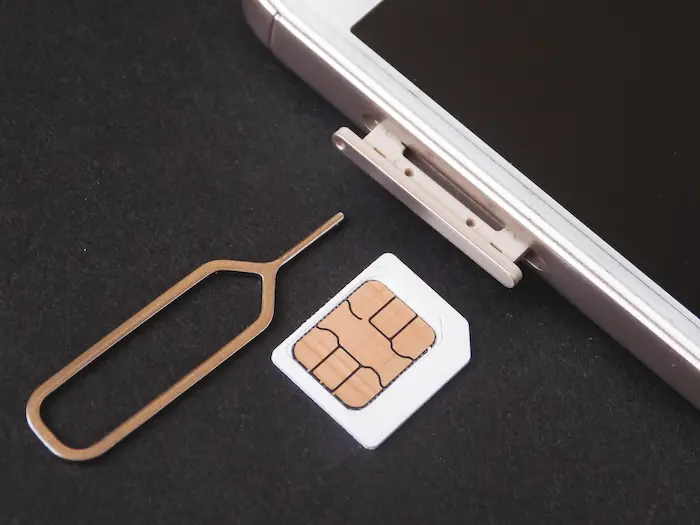
For longer stays in one country, a local SIM may be useful. For multi-country trips, a regional eSIM can be more convenient. Check that your phone supports eSIM and that the package covers every destination.
Downloading music, podcasts, and films over Wi-Fi can also help reduce data use.
Keep important information available offline
Mobile coverage can disappear in railway tunnels, mountain areas, remote villages, and underground stations. Download offline maps for the cities and regions you plan to visit and save your accommodation, airports, and railway stations.
Do not rely entirely on transport apps. Take screenshots of routes, train numbers, departure times, and platform information. Open your tickets before leaving your accommodation and check whether they remain available in airplane mode. Save a PDF copy when possible.
Keep offline copies of booking confirmations, insurance information, passport details, and emergency contacts. It is also worth writing down your accommodation address and an emergency number in case your phone is lost or out of battery.

Use connected devices without losing awareness
Smartwatches, wireless earbuds, and other connected devices can make navigation and communication easier. For example, Meta glasses demonstrate how wearable technology can provide connected functions without requiring travelers to constantly look at their phones.
Still, these devices should not replace awareness of your surroundings. European cities can have busy streets shared by cars, cyclists, scooters, trams, and pedestrians. Keep audio low enough to hear important sounds and announcements.
Also check which features work offline and review camera and privacy settings. Museums, religious buildings, concerts, and private spaces may restrict photography or recording.
Protect your battery and personal information
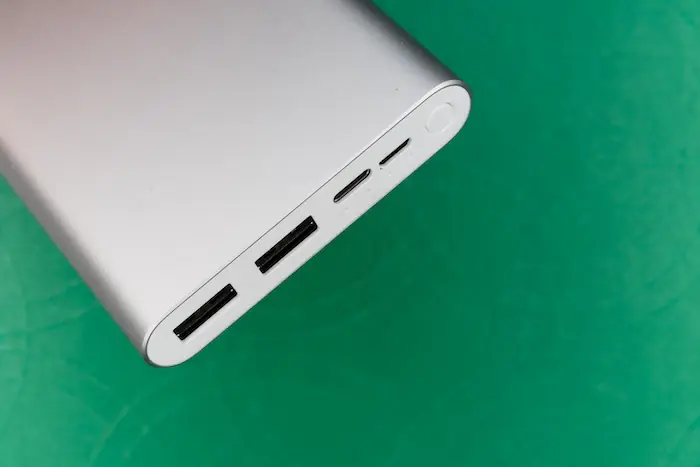
Navigation, photography, translation, and mobile data can drain a phone quickly. Carry a power bank in your hand luggage. According to the UK’s battery safety guidance for passengers, power banks must be carried in cabin baggage and capacity restrictions may apply. Check your airline’s requirements before flying.
A universal travel adapter is useful for multi-country trips, but remember that an adapter changes the plug shape and does not necessarily convert voltage.
Public Wi-Fi can be convenient, but fake networks are easy to create. Confirm the network name with staff and avoid banking or other sensitive activities on unfamiliar networks. Mobile data is often a safer alternative.
Protect your phone with a strong passcode and enable its tracking feature before traveling. Make sure you can receive two-factor authentication codes abroad and keep recovery information somewhere separate from your phone.
Conclusion
Staying connected while traveling across Europe is mostly about preparation. A suitable mobile plan, offline maps, saved documents, a charged power bank, and basic security habits can prevent many common problems.
Connected technology can make travel easier, but it should not replace paying attention to traffic, signs, and the people around you.
You will not always have a connection, and that is manageable when you have prepared backups. Download the map, save the ticket, write down the address, and keep your devices charged. Once these basics are covered, you can spend less time worrying about your signal and more time enjoying Europe.

Julie Spencer is a travel writer and author of travel guides who loves getting to know the people and cultures behind the places she visits. She is often more drawn to a local market, a conversation with someone she has just met, or the little everyday details that give a glimpse into what life is really like than to the usual tourist sights. Through her writing and travel guides, Julie shares practical tips, personal experiences, and the stories that make travelling through Europe feel more personal and memorable.