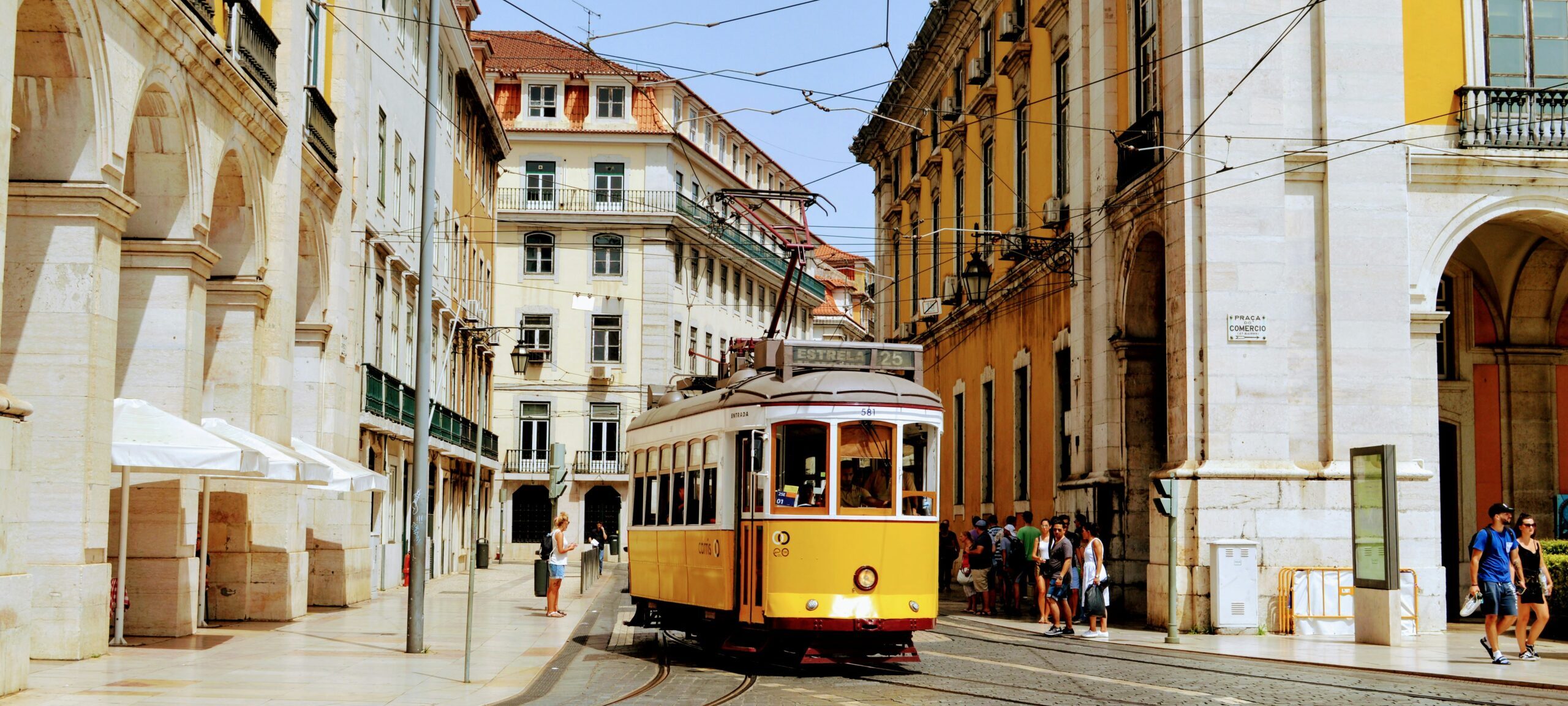
For work-related reasons, I went on a short trip to Chicago this past January. It was my first time in the United States in 10 years, and my first time ever in Chicago. As someone who has been living in Lisbon for eight years, I have witnessed a surge in the number of American expats relocating to Portugal. So I have been meeting more and more Americans without going to the U.S. myself.
Safety, healthcare and quality of life are the reasons most people mention for relocating from the U.S. to Portugal. However, I always naively wondered why quality of life would be better in Europe when the U.S. is the richest country in the world.
During this longer visit to Chicago, compared to my previous trips to the U.S., I saw a few examples of how Portugal offers a better quality of life:

Food and Supermarkets
Food is a crucial element when evaluating quality of life in any given place. I couldn’t help but wonder how U.S. families who struggle to make ends meet afford to eat. Food prices – and I mean proper food, not just snacks – are truly expensive.
A big supermarket in downtown Chicago might have six aisles of snacks and a tiny section with three kinds of bread. The bread costs $6 for two portions for two people, and it’s really bad. Finding something without strong added colors and smells becomes a futile effort when looking for fresh juices or biscuits.
I don’t think obesity is a problem in the U.S. because of consumers; it’s because basic, clean items aren’t affordable.
Safety
Knock on wood, we didn’t encounter any safety-related issues during our short trip. However, it’s clear how unsafe people generally feel. Especially late at night. People walking ahead of you on a quiet street keep looking back to see who’s behind them. They seem uncomfortable if you accidentally make eye contact on the subway, for example.
This clearly contrasted with the relaxed vibe of women walking on their own past midnight in Lisbon.
Aspects which make the U.S. better
Amid the declining popularity of the U.S. at the moment, I somehow found myself envying its citizens and residents for other aspects of life that we don’t have here in Portugal, if not in Europe in general.
Foreignness
Despite the rise of anti-everyone and everything sentiments in the U.S., it’s incredible how I felt less foreign in Chicago than I ever do in Paris, Madrid or Lisbon. I understand that I probably wouldn’t have felt that way in Kansas, for example, but I’m comparing a major U.S. city with other major European capitals.
It feels like you can become part of this place, of Chicago. There’s a space for you there—a seat where you can become “of the city” if you choose to.
I have to say that you remain a foreigner pretty much everywhere in Europe, no matter how much you integrate or how long you live there. It’s not necessarily a bad thing, but it can take its toll after a decade or two of trying to make a place your home yet never fully escaping the “expat” bubble.
Openness
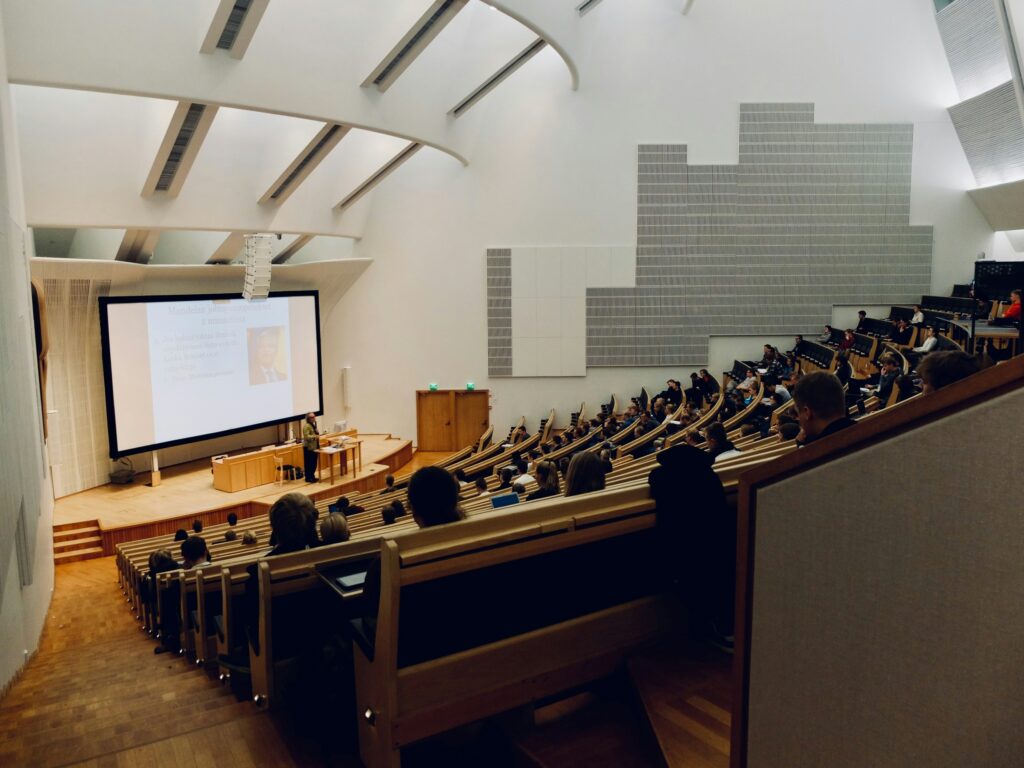
I observed this only in a professional capacity within my field of academia. I’ve been attending many academic conferences recently and there is definitely more gatekeeping in European academia compared to U.S. academia.
In Europe, you need to know the academics in your network of mentors and colleagues very well and for a long time, before you can seek their advice or engage with them. In the U.S., there was a sense of making “room” for you – even though I am Egyptian, working at a European university, and none of the many U.S. academics I met had any idea who I was. Somehow, presenting my own work – and my work alone – became my way to connect with countless people and have them exchange contact information with me.
Final thoughts
Whether it’s an openness to your foreignness or to your professional abilities, the U.S. just felt like a more accommodating place, despite all the crazy ongoing changes there. Maybe it’s the overall vibe of the people in big cities – I’m not sure.
But could it ever provide the same quality of life and sense of safety as Europe? I don’t think it could.
I imagine that for many, the choice to leave the U.S. for Europe must have involved balancing career opportunities with the hope of a safer, more comfortable life – something that hits you as soon as you return across the Atlantic.
**********
Read more about Portugal here in Dispatches’ archives.
See more from Sarah here.

Sarah Nagaty has a PhD in cultural studies, She’s lived in Portugal for six years.
As a student of cultural studies, Sarah is drawn to what connects people from different backgrounds to new cultures and places, how they relate to their new surroundings and what kind of activities they could engage with in their new hometowns.