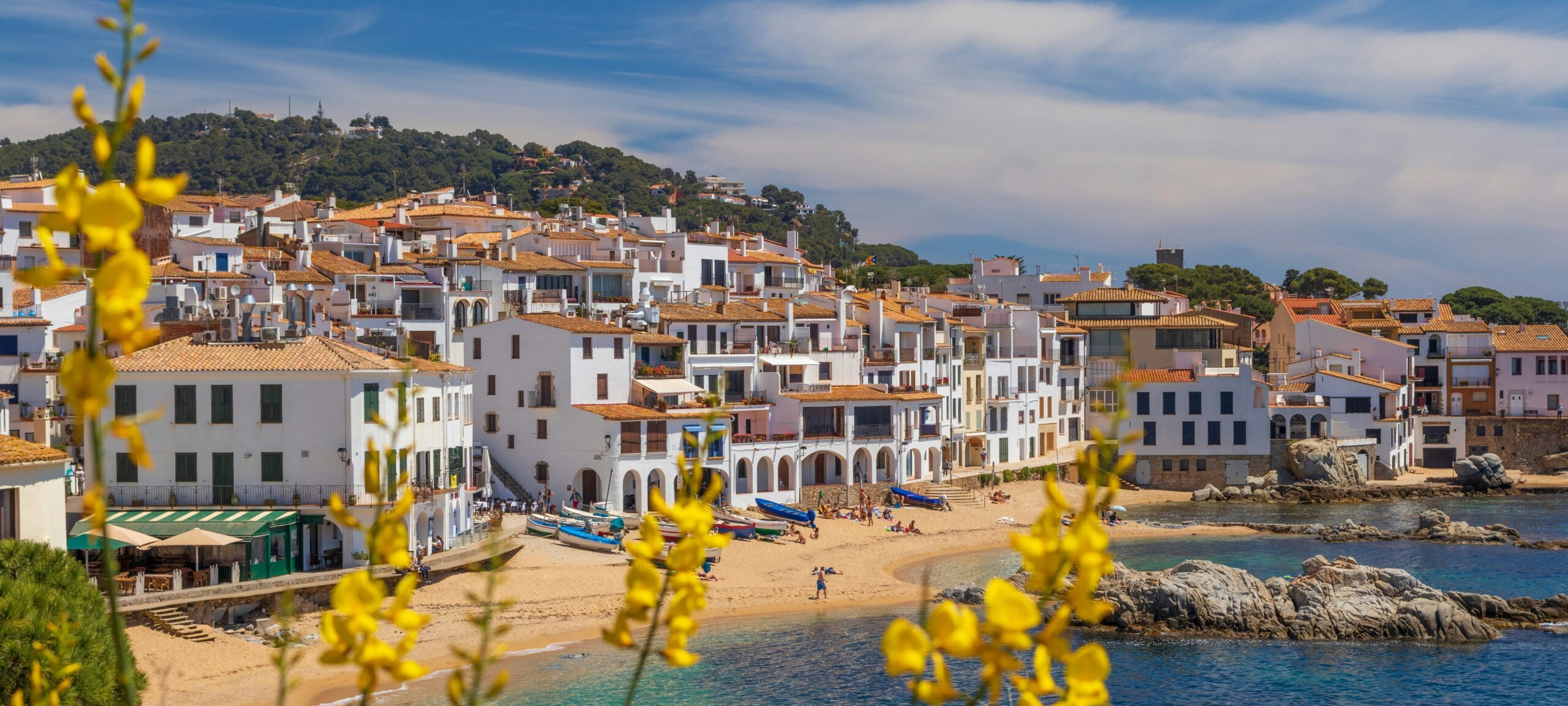
Many foreigners with a dream to live in Spain, or at least own a holiday home here, is a place in the sun with a pool to cool off in and the sea within earshot.
There is just one problem though: Property prices in Spain are going through the roof.
Nationwide, average asking prices in April 2026 are 2,709 euros per square metre. That’s record high according to the property portal Idealista which tracks listings across the country. Second-hand homes are now averaging 2,673 euros per square metre, up 17.7 percent since last year. While prices are going up everywhere, coastal areas are among the hardest hit.
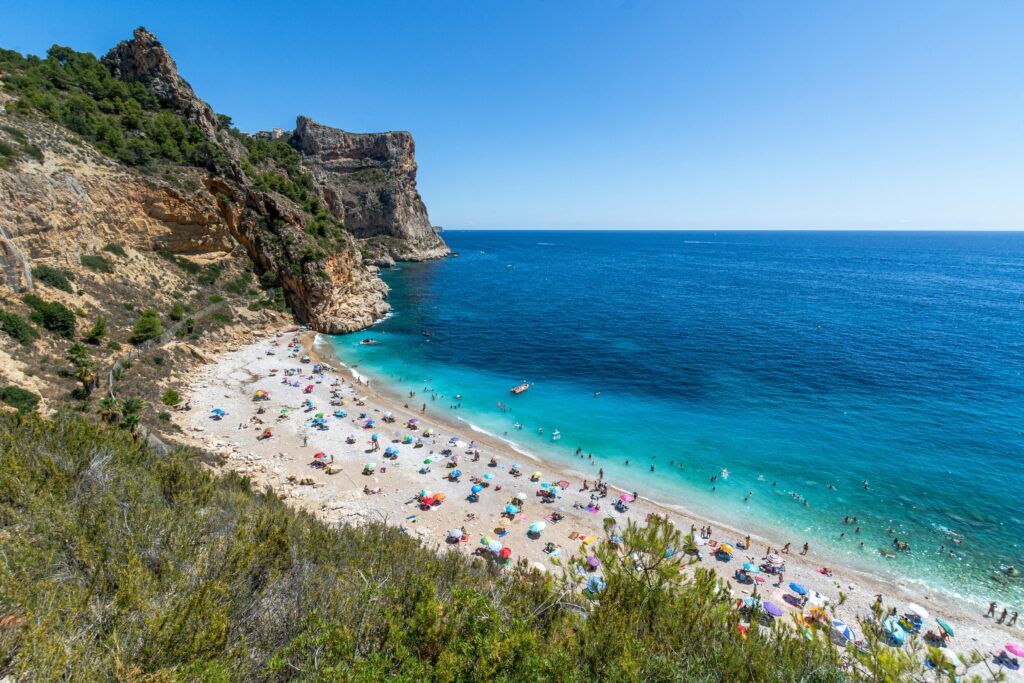
Image source: Unsplash
The cost of coastal living
Many areas favoured by expats such as the Costa del Sol, the Costa Blanca and the Balearic Islands have been well above 2,000 euros per square metre for some time and can easily exceed 3,000 euros per square metre in some areas. In some of the most sought-after spots, the increases are particularly sharp.
For example, Malaga has seen prices climb around 12 percent over the past year, while Valencia is up 15.5 percent.
The soaring property prices in Spain are fuelled by a chronic undersupply of new housing, increasing demand from international buyers and a tourism boom that keeps pushing coastal property beyond the reach of ordinary buyers.
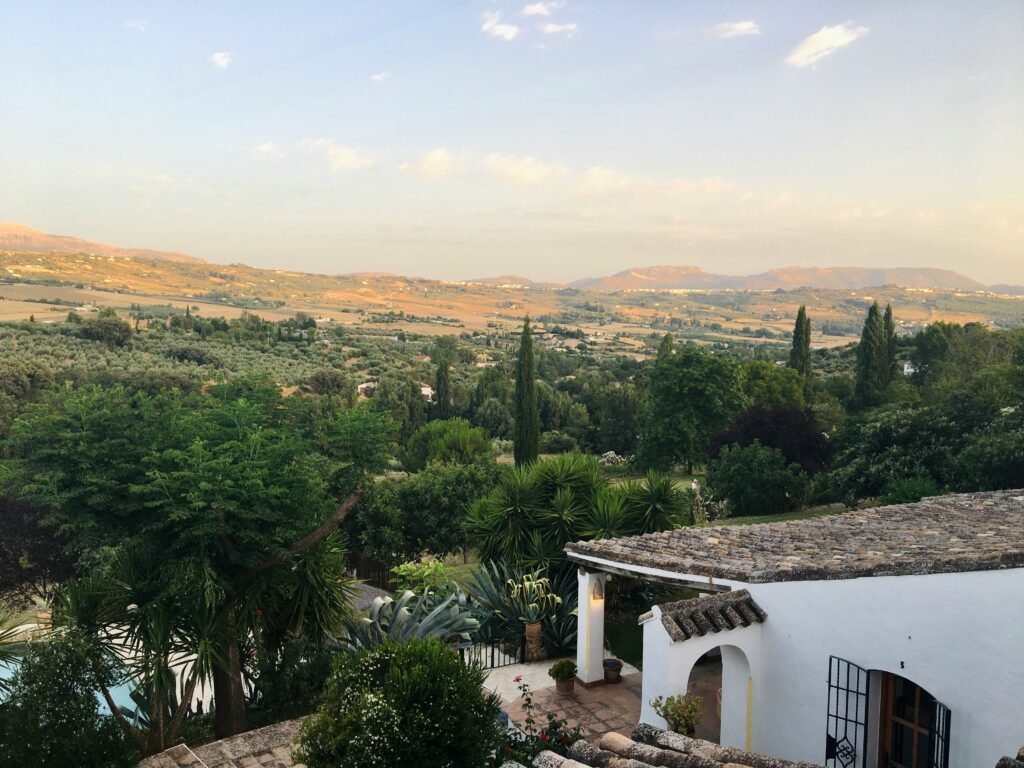
Image source: Unsplash
Venture in-land to save a fortune
But price hikes don’t have to put a wrecking ball to your plans, provided you are prepared to point your car a few miles in-land. Prices may be going up there too, but for many expats they are still on the very affordable side. The lowest-priced properties in Spain can be found in in-land provinces where averages are between 760 euros and 870 euros per square metre.
That’s a fraction of what you would pay on the coast.
Buying in-land in Spain could also turn out to be a smart longer-term move. Infrastructure is improving across many regions and when transport links are upgraded, property values tend to follow. Spain’s expanding high-speed AVE rail network is bringing previously hard-to-reach inland areas within striking distance of major cities and property markets in those areas are already responding.
And we’re not talking about venturing deep in-land. Just a 10-to-30-minute drive from the shoreline can be enough to see massive price drops. For roughly the same price as a one or two-bedroom apartment with a partial sea view and a community pool you share with all your neighbours and untold numbers of tourists, you could have a four-bedroom property with a garden or a bit of land thrown in. That’s enough space for you to build that pool you want with the money you have saved by stepping back from the shoreline.
If the property needs work, that doesn’t have to be the deterrent it might first appear. A structurally sound house bought below market value and renovated thoughtfully can end up being worth considerably more than the combined purchase and renovation costs.
And it gives you a chance to put your own stamp on the place.
**********
Read more about Spain here in Dispatches’ archives.

Paul Arnold
Paul Arnold is a former BBC producer who worked on science, news and magazine programmes, traveling the world to interview Nobel Prize winners, politicians and celebrities. After 16 years, he left the corporation and moved to southern Spain, where he ghostwrites for publications across the USA, Canada and Europe.