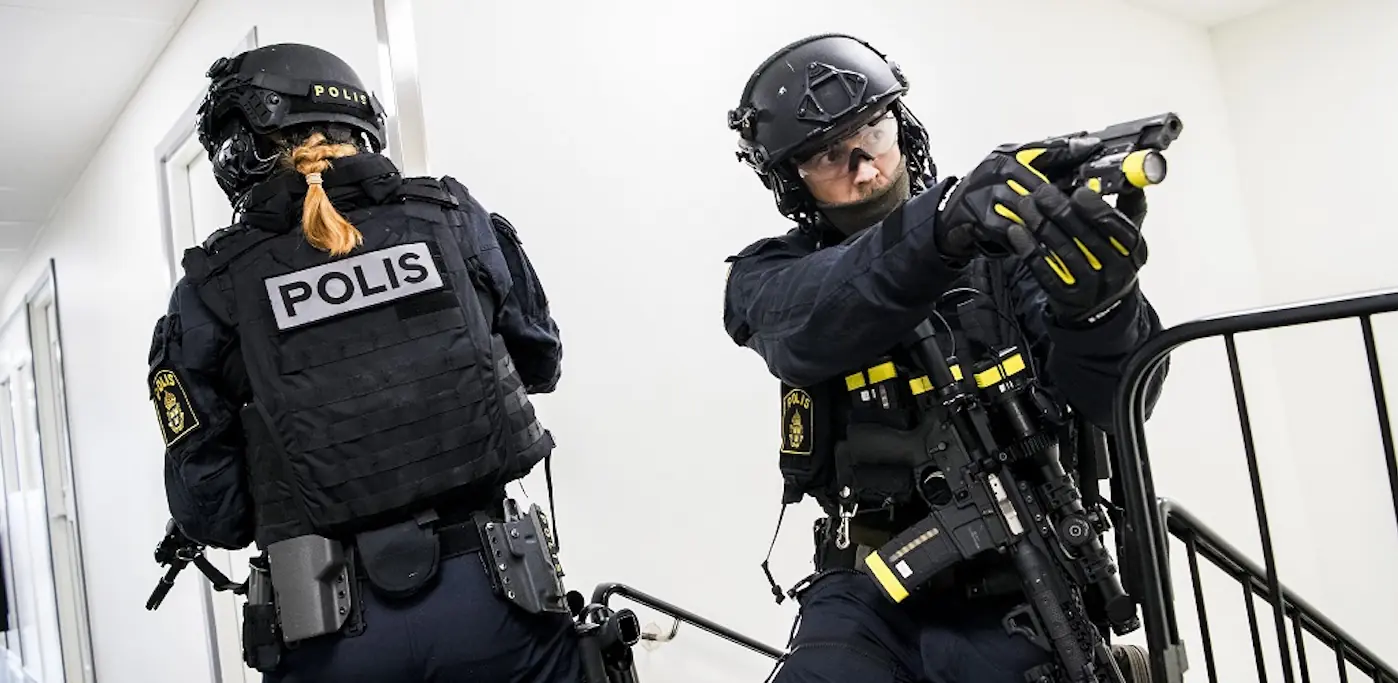
In 2026 Sweden faces one of its most complex and evolving security environments in recent years. The Swedish Security Service, Säkerhetspolisen (SAPO), has issued a warning that the country’s security threat picture is growing both in scope and severity, influenced by global geopolitical tensions, hostile foreign powers, and shifting patterns of extremist activity.
Threats from foreign states — Russia, China, and Iran
According to SAPO’s latest national security assessment, a trio of foreign actors — Russia, China, and Iran — now stand out as Sweden’s most significant geopolitical threats. Russia remains the top concern, described by authorities as increasingly risk‑prone and willing to undertake hybrid operations that could target Swedish interests and infrastructure. These activities may include espionage, influence operations, or attempts to exploit vulnerabilities within society and critical systems.
China is viewed as a long‑term security challenge, particularly regarding economic and technological influence. Swedish officials are wary of intelligence operations and efforts to sway strategic sectors or acquire sensitive technology.
Meanwhile the war involving Iran, intensified by conflict between Iranian forces and US‑Israeli operations, has raised specific threat concerns in Sweden. SAPO has highlighted increased risks toward American, Israeli, and Jewish targets within Sweden, suggesting that state‑linked or state‑inspired actors might exploit criminal networks to carry out hostile activities.
These assessments mark a shift from a purely domestic view of security toward one where international conflicts can reverberate locally, affecting communities and individuals in Sweden; especially those with ties to geopolitical hotspots.
Concrete Incidents and Indicators
The implications of these rising risks are not abstract.
Recent reports suggest that SAPO intervened to protect a family in Gothenburg after an alleged threat, reportedly linked to Iranian state interests, emerged against them due to their human‑rights activism. The family was moved under police protection to ensure their safety.
While authorities have not confirmed every detail publicly, such cases underscore how international tensions can spill over into Swedish society and create real concerns for residents who may have geopolitical exposure.
Terror threat level and extremism
Despite these broader threats, Sweden’s terrorist threat level currently remains at level 3 out of 5, indicating a heightened threat, but not an imminent one. This level reflects a general risk from ideological extremes, hybrid threats, and potential lone‑actor attacks, rather than a specific, immediate plot.
Experts note that extremist threats in Sweden come from multiple sources, including violent Islamist or right‑wing actors. While the likelihood of a large coordinated attack remains low, the environment is dynamic, and Swedish authorities continue monitoring shifts in extremist motivation and methods.
Violent crime
Since Sweden has gained the unenviable distinction of being the gun violence capital of the EU. Once considered a safe have, Sweden has the second-highest rates of gun-related homicides in Europe, only behind Albania.
In 2022, Stockholm’s gun-murder rate per capita was roughly 30 times that of London’s, according to a study by Uppsala University outside of Stockholm.
Gang and organized crime-related violence occurs mainly in Sweden’s three argest cities in Sweden:
- Stockholm
- Gothenburg
- Malmö
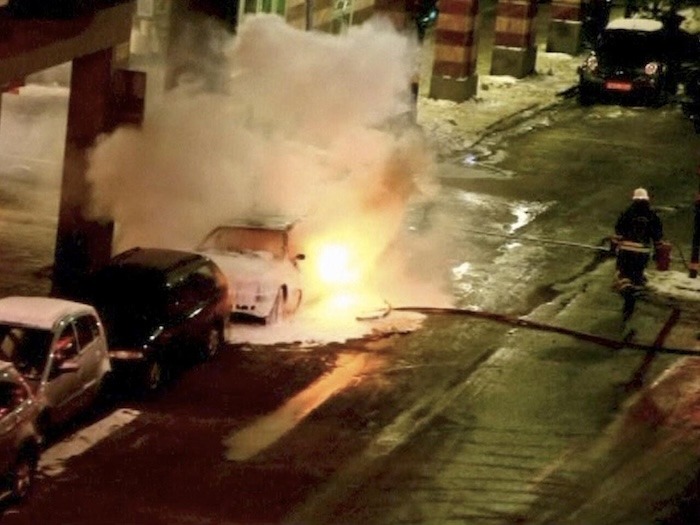
Stockholm has experienced an increase in gun violence and homicides linked to gang rivalries. Sweden is currently dealing with gang violence, often involving teenagers who are recruited by criminal networks to carry out violent acts, including vandalism, bombings and contract murder, according to the EU. In January 2025, there were about 30 gang-related explosions reported in Stockholm, according to the EU report.
Recent incidents suggest retaliatory killings. In certain situations, criminals have used bombs, hand grenades or improvised explosive devices. Violent incidents have occurred in public areas, including bars and restaurants.
While violent incidents have not typically occurred in areas frequented by tourists, there is a risk of being in the wrong place at the wrong time.
- Always be vigilant and aware of your surroundings
- Do not touch or move suspicious items or unattended packages
What this means for expats in Sweden
For many expats, especially those from North America, Israel, the Middle East, or other regions affected by international tensions, understanding Sweden’s security environment is increasingly relevant.
Here’s what to keep in mind:
- Follow official guidance: SAPO, the Swedish Police Authority, and your home country’s embassy provide regular updates and advisories. Signing up for alerts and newsletters from these sources can keep you informed of any changes.
- Be situationally aware: Although Sweden is quite safe in a broad sense, staying alert in public spaces, particularly crowded events or areas with heightened political activity, is good practice.
- Community networks matter: Expats may find value in staying connected with local community groups and international networks, which often share safety tips or updates relevant to specific populations.
Balancing caution with daily life
It’s important to balance vigilance with normal life.
Sweden’s societal infrastructure remains robust, and authorities invest heavily in monitoring and countering threats. At the same time, global geopolitical dynamics mean that even neutral or peaceful countries like Sweden are not immune to broader strains in international relations.
For immigrants living in Sweden, knowledge and preparedness, rather than fear, are the keys to navigating this changing security landscape with confidence.
–––––––––––
Read more about Sweden here in Dispatches’ archives.

Jess Bretin
Jess Bretin is a communications and content specialist, and an American living in Gothenburg, Sweden. While in the states, she spent 2 years on the road living in a van and visited every state. She then married a Frenchman, so she has spent alot of time in France. Jess is also a singer/songwriter in a rock band and loves to cook and stand-up paddle board.
See her posts here:
• Walk like a Swede, talk like a Swede: How to make friends in Sweden
• Chistmas in Sweden: Tradition, light and togetherness
• The cost of living in Sweden 2025: What's actually going on.