
(Editor’s note: This post on foreign workers leaving Sweden is part of Dispatches Tech Tuesday series. Dispatches covers tech because so many of our highly skilled internationals work in advanced industries such as semiconductor and medtech.)
Sweden faces a growing challenge that has captured the attention of policymakers, businesses and universities; the departure of highly skilled workers. Long known as an innovation powerhouse with a high quality of life, Sweden is increasingly losing engineers, IT specialists, researchers and other professionals to competing countries.
While mobility of talent is a normal feature of a globalized economy, recent trends suggest a structural shift that could affect Sweden’s competitiveness and long-term growth.
A changing migration balance
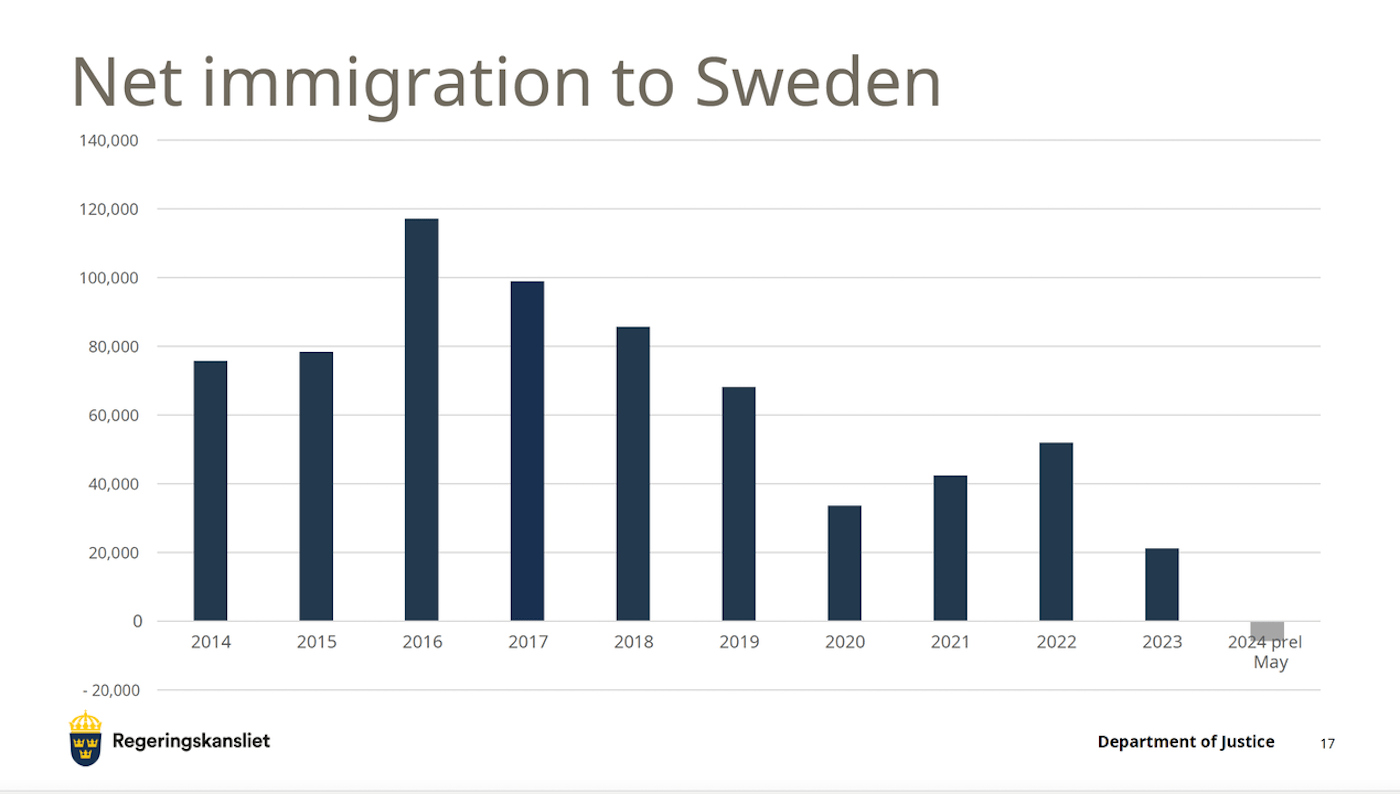
Recent migration trends show that Sweden has entered a period of net emigration for the first time in decades, with highly educated professionals making up a significant share of departures. Many of those leaving hold advanced degrees and come from sectors where Sweden already faces shortages, such as technology and engineering. The loss is not only demographic, but economic; skilled workers contribute disproportionately to tax revenues, innovation and productivity.
International students represent another critical pipeline of talent. Although a majority say they would like to stay after graduation, only about 30 percent remain in Sweden long term. When graduates leave, Sweden loses both the public investment made in their education and the potential economic value they could generate.
Policy and bureaucratic pressures
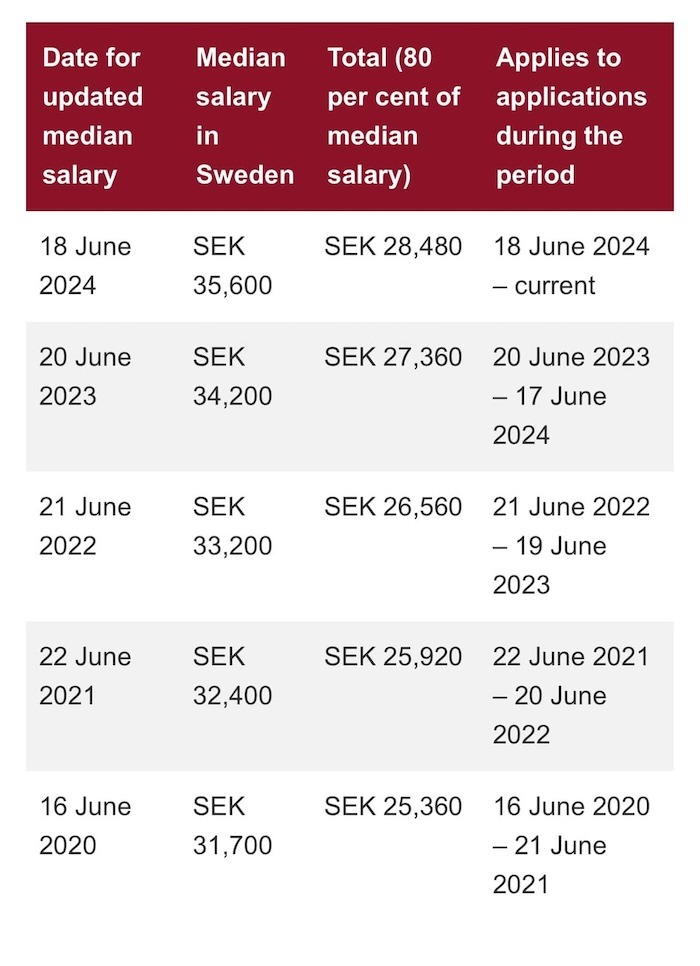
Immigration and residency policies are frequently cited as key drivers of departure. Rising salary thresholds for work permits and stricter requirements for renewals have made long-term stability more difficult, particularly for early-career professionals. Proposed increases in salary requirements and tighter employer compliance checks have created uncertainty for workers and companies alike.
Changes to citizenship rules have also contributed to feelings of insecurity among long-term residents, with some skilled migrants expressing concern about shifting eligibility timelines and legal predictability. When individuals feel unsure about their future in a country, they are more likely to accept offers elsewhere.
Labor market and integration barriers
Beyond policy, structural barriers limit career opportunities for skilled migrants. High language requirements, challenges with credential recognition and workplace integration expectations can delay entry into professional roles. Some professionals end up underemployed, prompting them to relocate to countries where their skills are more readily recognized.
Sweden’s relatively small job market and reliance on professional networks (who you know) can also make career advancement difficult for newcomers. In dual-career households, a partner’s difficulty finding work is a common reason for relocation.
Global competition for talent
Sweden’s challenge is intensified by global competition. Countries such as Germany, Canada, and the Netherlands actively recruit skilled professionals, often offering clearer residency pathways and higher salaries. For younger workers, especially in tech, relocation is easier and financially attractive.
At the same time, Sweden invests heavily in research and development and maintains strong innovation ecosystems. This creates a paradox: While the country trains and attracts top talent, it struggles to retain them.
Economic and social consequences
The departure of skilled workers has tangible effects. Industry groups warn of growing shortages in engineering and technical fields, with demand projected to increase significantly in coming decades. Talent loss also weakens innovation capacity and reduces tax contributions that support Sweden’s social welfare model.
In the long term, a sustained outflow could slow economic growth and undermine Sweden’s position as a knowledge-based economy.
Policy responses and the road ahead
The Swedish government has acknowledged the urgency of attracting and retaining talent. Proposed measures include fast-track work permits, easier job mobility for foreign workers and improved services for employers recruiting internationally. However, experts suggest that retention requires more than policy tweaks. Competitive salaries, clear residency pathways, inclusive workplaces and livable cities all play a role in convincing professionals to stay.
Sweden’s future as an innovation leader may depend on its ability not just to attract talent; but to make staying feel worthwhile.
–––––––––––
See more about Sweden here in Dispatches’ archives.

Jess Bretin
Jess Bretin is a communications and content specialist, and an American living in Gothenburg, Sweden. While in the states, she spent 2 years on the road living in a van and visited every state. She then married a Frenchman, so she has spent alot of time in France. Jess is also a singer/songwriter in a rock band and loves to cook and stand-up paddle board.
See her posts here:
• Walk like a Swede, talk like a Swede: How to make friends in Sweden
• Chistmas in Sweden: Tradition, light and togetherness
• The cost of living in Sweden 2025: What's actually going on.