This post continues our series investigating the life of parents of young children in Vienna. From childbirth to theatre programs for toddlers, having kids in a country that is not your own can be an overwhelming prospect. Sometimes there is simply too much to do and thinking about all the planning involved has to take a backseat against the daily challenge of parenting.
We hope that this series of posts can make the search for a kindergarten in Vienna more manageable and maybe even exciting!
When you arrive home from hospital with your newborn child (see our articles on pregnancy in Austria –Pt. 1 and Pt. 2), the idea of applying and preparing to send this tiny little bundle off to kindergarten seems decades away. But a year passes unbelievably fast and before you know it it’s already time to start applying for kindergartens. In Austria, it is common to have your child start kindergarten between 1 and 2 years old, mainly thanks to the long options for parental leave and the financial assistance offered by the state.
For public kindergartens run by Stadt Wien, it is necessary to apply during the application period (October – November) for your child to enter the program in the following September.
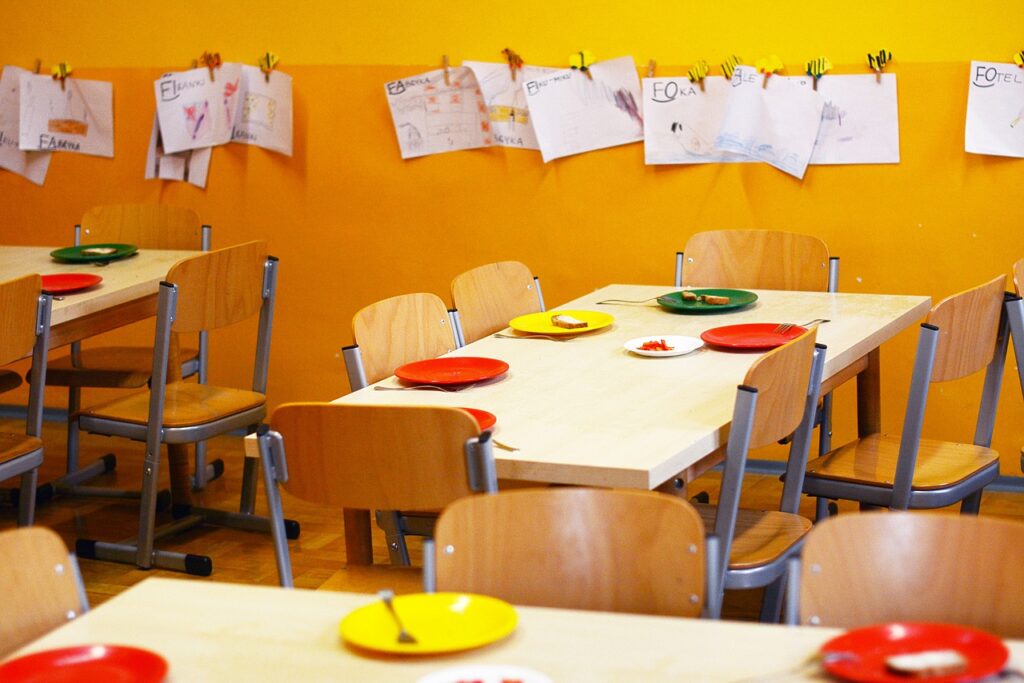
Image source: Needpix
There are benefits and drawbacks of applying to public kindergarten. Of the many benefits, the low price and large number of options are the most visible. You only need to pay the food costs (€84/month). There are so many locations that it is easy to find one in your neighbourhood.
One drawback is that you must prove that both parents are working full-time and preference is given to parents who are not earning high salaries. Both my partner and I are teachers and so we can fortunately rely on the services of the public system.
Applying to public kindergarten in Vienna
Applying for public kindergarten was relatively easy. Once you confirm that you fulfil the criteria (both parents are in full time work or study and live in the vicinity of the kindergarten) and are accepted to the program, you can choose two preferred locations and the city will try its best to arrange for your child to attend your first option. Those with siblings already enrolled in a Stadt Wien kindergarten are automatically given places at the same location.
Once accepted, we were invited to a meeting with the director of the school to introduce our child and sign the necessary paperwork.
It is important to know that in Austria, your place in the public kindergarten is not confirmed until they have met your child personally.
You will need to be in Austria and available to meet with the director before definitely getting a place at the kindergarten.
A month or two before our son was scheduled to begin, we were invited to the parents evening for new children. It was very informative and a great opportunity to meet other parents also navigating their way through the system for the first time. One of the things that impressed me most, and adds to my appreciation of living in a country with such great social programs, is that every two months or so the kindergartens are visited by doctors, dentists and optometrists to do quick check-ups to make sure that nothing important is missed in the child’s health.
The ‘settling in’ period
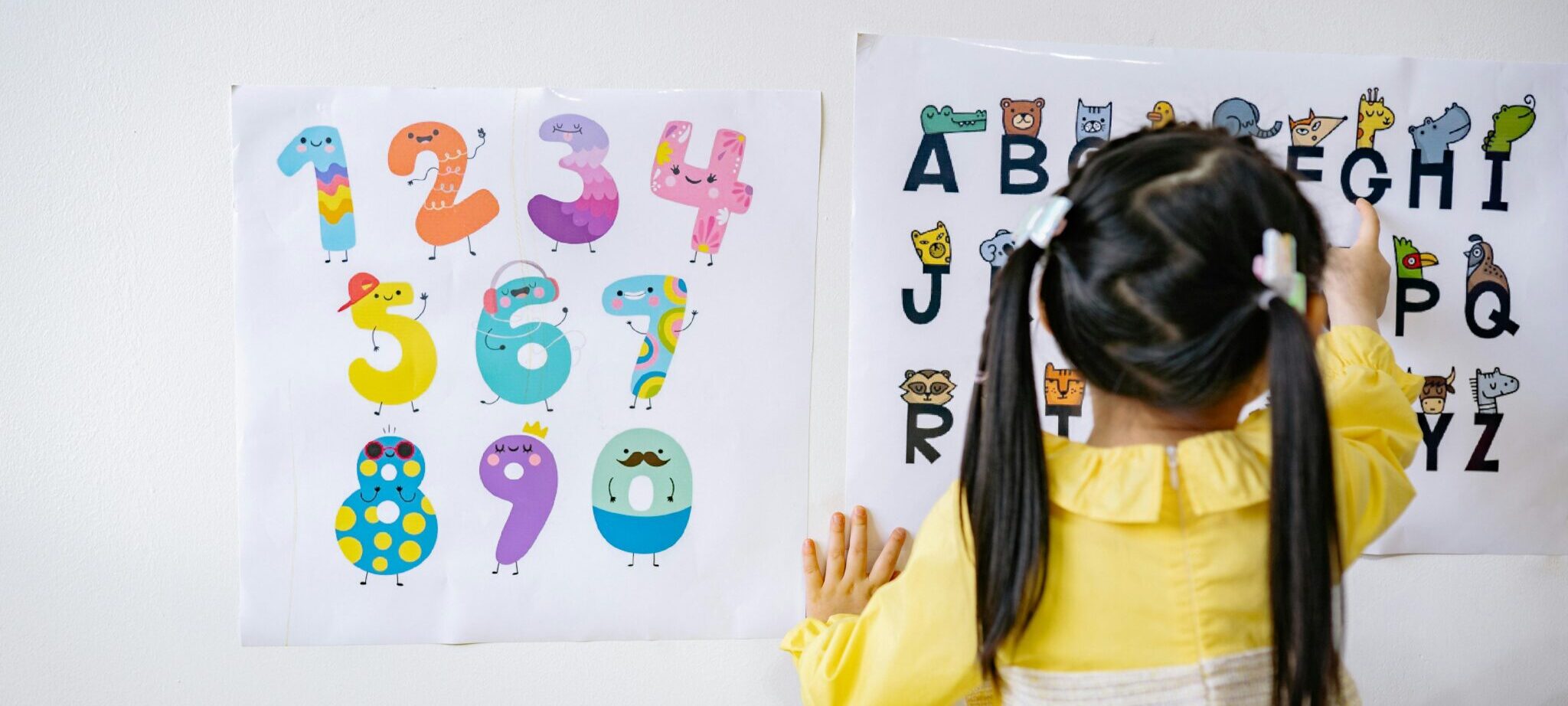
I am also a big fan of the Austrian practice of eingewohnungszeit, or “settling in time.” Depending on your program the idea can be implemented slightly differently, but in general it’s the theory that children need time to settle into the new situation. It helps the children learn to process the fact that they will be left without their parents for the morning or for the full day.
The director of our kindergarten (I have heard the same from friends attending other schools) made it very clear that at no point would a teacher pry a screaming child from a parent’s arms and that the child should walk in willingly. Of course some days are easier than others, but as both a parent and a teacher I really appreciate an approach that encourages independence and confidence rather than creating traumatic moments where a child is forcibly pulled away from their parent.
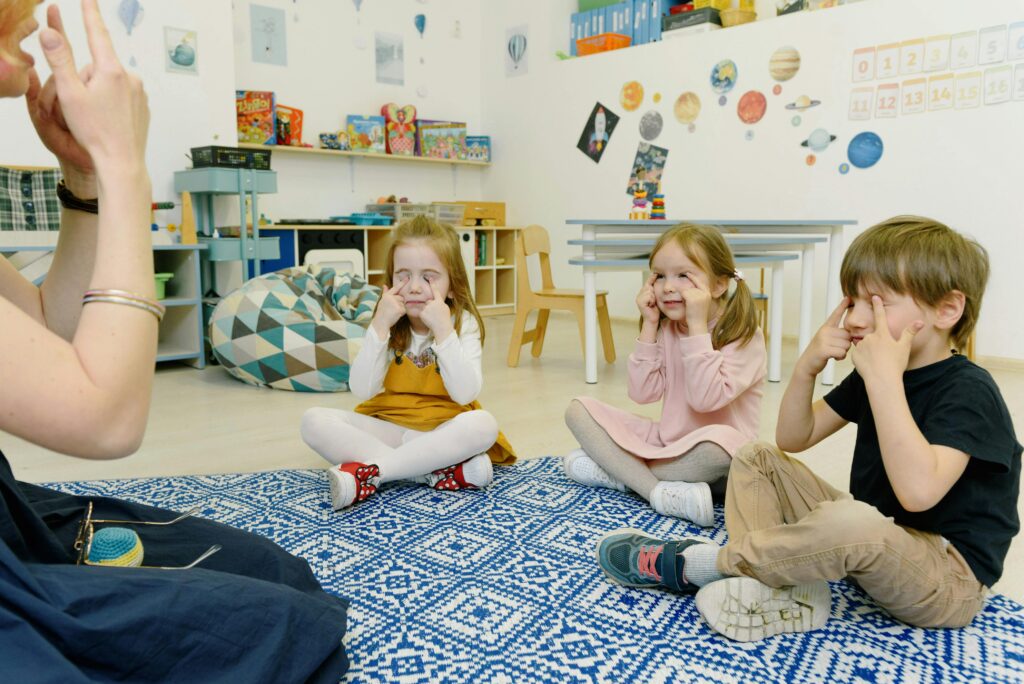
Image source: Pexels
The practice is implemented by slow introductions and a step-by-step changing of routines. In the first week, the kids spend 30-to-60 minutes in the room with the parents, gradually letting the kids adjust to the parents leaving to use the toilet or go for a walk for bit. By the third week, the kids are hopefully able to be confidently left alone for 1-to-2 hours, before starting the longer days (those including naps) by six weeks or so.
Although this may be fairly different from the experiences of expats from other countries, I really believe that it is best for the kids to build a relationship with their kindergarten that means they walk in with a smile every day. But of course, this extended introduction can be extremely difficult for parents who do not have a flexible schedule. Many parents include this “settling in time” as part of their parental leave before returning full-time to work so that they can be available for the sometimes lengthy adjustment period.
Public or private?
Going public is not your only option in Vienna and for many people it is difficult to find a place. There are also many, many private kindergartens available, with more opening every year.
Despite this, it is important to start looking at least a year before you are thinking about starting.
For kindergartens specialising in a unique pedagogical method or language (think Montessori or multi-lingual programs), it is necessary to start shopping around even earlier. These programs can also be much more expensive.
There are also a few private programs that operate in multiple locations around the city, for much more manageable fees (on average €100-300 a month depending if you are looking for half or full days). These large programs have more places and more options than the “unique” programs and also have great reputations.
KiWi (or Kinder in Wien) and Kinderfreunde have an extensive list of locations around the city (93 locations for KiWi and more than a hundred for Kinderfreunde). They are a great option if you do not qualify for the Stadt Wien public kindergartens. They are not extremely expensive and follow the same pedagogic beliefs and basic practices as the regular kindergartens.
The other larger program that is scattered around the city is the Sankt-Nikolaus-Stiftung organisation with 90 locations. It caters to Roman Catholic families who want their children to be raised in a religious community and who usually plan on sending the children onto religious primary schools.
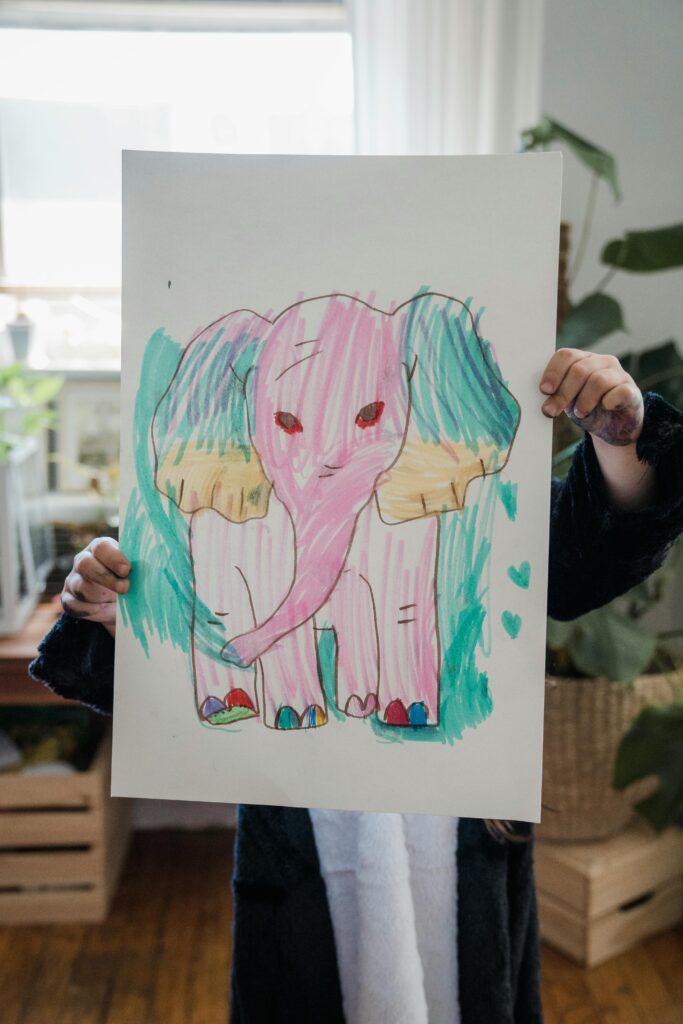
Image source: Pexels
Your child’s next steps
Once you have found your kindergarten, it is important to make sure that you have all the supplies required. Although the shopping list is not extensive, there are the basics which you will need to have both at home and to be left at the kindergarten. This includes rain pants and coats, warm winter coats, extra clothes and “house-shoes” or slippers.
Once you have your supplies and mini-backpacks all packed up and have managed to wrap your head around the new rituals and routines, it’s beautiful (and emotional) to send your young child to spend time with other children their own age in a country that is not yours. Like so many aspects of life in Vienna, this wonderful city will hopefully make the process as easy as possible for you.
––––––––––
Read more about Vienna here in Dispatches’ archives.

Thom Harding was born and raised in the UK and USA, sharing his time between Bath and Boston. Upon completing his studies in Art History and Painting in Florence, Thom travelled around Mexico and India before moving to New Mexico to start his career as a Primary school teacher.
After completing his MA in Education, he now lives and works in Vienna, Austria and enjoys spending his free time hiking, reading, travelling and exploring around Europe.
See more of Thom’s work here in the Dispatches archive.
You can read more about Vienna here in the Dispatches archives.