
The first weeks in the Netherlands are filled with jobs that quickly become connected. You collect the keys, register with the municipality, arrange internet and try to open a bank account.
Then an online form asks for a Dutch mobile number.
It is tempting to leave the phone question until later. Your existing number still works, but a local number can make everyday arrangements easier when a company needs to call back or sends a confirmation code. The trick is knowing when a Dutch number is required and when a service is simply designed around one.
The local number question starts early
A letting agent, employer, delivery company, GP practice or utility provider may ask for a Dutch number. Sometimes it is just a contact detail; sometimes an SMS code is needed to finish creating an account.
These requests do not all have the same purpose. A landlord needs to reach you about a viewing, while a bank may use your number to verify a transaction or restore access to an account. It makes sense to decide which services need a lasting contact number before choosing a mobile plan.
Registration comes before much of the paperwork
For many new arrivals, municipal registration is the first major administrative task. People planning to live in the Netherlands for more than four months generally register with the municipality where they live and are entered in the Personal Records Database, known as the BRP. The municipality then provides a citizen service number, or BSN, which is used for tax, employment, healthcare and other official matters.
While arranging the move, some newcomers consider virtual-number services like eSIM Plus for limited online registrations or one-off confirmations. A temporary number may be accepted by some platforms, but it is not a substitute for a permanent personal number. Government services, banks and other organisations may apply stricter checks. Never use a number you could lose for security alerts or account recovery.
Requirements vary by municipality, so check the local council’s website before making an appointment. You will generally need identification and proof of address. If you are staying for a shorter period, registration through the Non-residents Records Database (RNI) may apply.
Your address can cause delays. Before signing a rental agreement, ask whether you can register at the property. Some rooms and temporary arrangements do not permit municipal registration, which can hold up other tasks.
DigiD becomes part of everyday administration
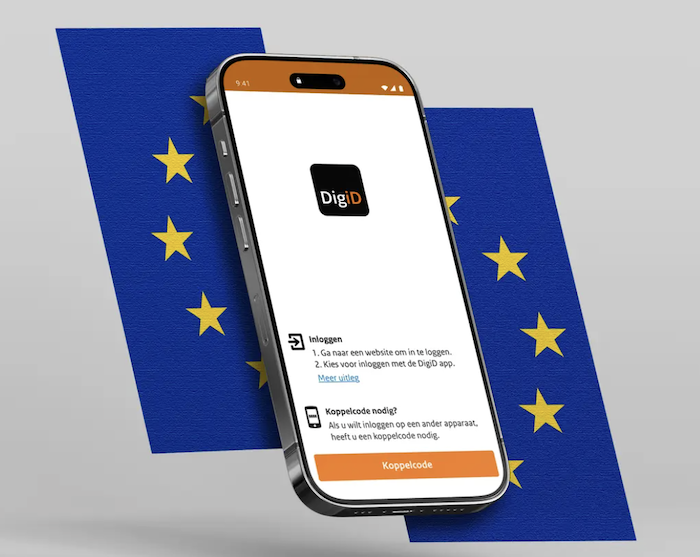
Once you have your BSN, you can arrange a DigiD account. It is the digital identity used for many Dutch government services, including tax matters and parts of the healthcare system.
Follow the current instructions on the official DigiD website and keep your activation details safe. Some services require an extra security step through the DigiD app or an SMS check. The method depends on the service and your account settings.
Treat the phone number connected to important accounts as part of your identity details. If you change numbers after moving, update the relevant accounts while you still have access to the old one. Do not assume that a temporary number will remain available for a later security check.
Opening a Dutch bank account
A local bank account makes salary payments, rent and household bills easier to manage. Banks such as ING, ABN AMRO and Rabobank offer accounts for residents, but requirements vary. Expect to provide identification and personal details; the bank may also ask for your BSN, Dutch address or evidence of your right to live in the country.
A Dutch number may be requested during registration or used for security checks. Check the bank’s current requirements before applying. An international account can be useful during the first few weeks, though it may not cover every local payment or administrative need.
Do not register a bank account with a number you might lose. Banking access needs to last, and the phone number may be used to approve payments, confirm changes or recover access. Choose a permanent number that you control.
Choosing a mobile connection
The two common options are prepaid service and a monthly subscription. Prepaid avoids a longer commitment and gives you control over spending. A subscription may offer better value for a longer stay. Providers differ in coverage, data allowances, contract terms and application requirements.
An eSIM can save you a trip to a shop if your phone supports it. It is a digital SIM profile installed on the device, rather than a plastic card.
Before buying, check that your phone is unlocked and compatible with the provider’s eSIM service.
Also check what the plan includes. Some travel eSIMs provide mobile data only, while a local mobile plan may include a Dutch number, calls and SMS. That last point is easy to miss. Data access lets you use maps, messaging apps and online services, but it does not automatically give you a number that can receive ordinary text messages. If a bank, employer or local service needs to send an SMS, confirm that the plan supports it.
Apps that make daily life easier
A few reliable apps make the first month easier. DigiD gives access to government services. The NS app covers train times and tickets, while 9292 plans journeys across buses, trams, metros and trains. Google Maps is useful for walking and cycling directions.
You may also need apps from your municipality, energy provider, health insurer or bank. Install them from official app stores and check the publisher before signing in. Keep your phone updated, use a screen lock and avoid storing passwords in an unsecured notes app.
For everyday communication, WhatsApp is widely used by colleagues, landlords, schools and local groups. It is worth setting up your profile and checking that people can reach you on the number you intend to keep. If you use a second number for a limited purpose, keep it separate from the contact details attached to essential services.
A sensible order for the first few weeks
A little planning prevents repeated form-filling. First, confirm that your address can be used for municipal registration. Book the appointment, prepare the documents and obtain your BSN. Then arrange DigiD and check what your bank requires.
Decide what kind of mobile service fits your stay. A travel eSIM may cover you if you need data only. For calls, ordinary SMS and ongoing contact, compare local prepaid and subscription plans. Keep temporary-number services for low-risk registrations where the platform permits them, not for accounts you may need to access later.
Save confirmation emails and appointment details somewhere secure. Keep a record of which number is linked to each important account, particularly if you change providers.
Settling in is a series of small arrangements. Put your address, BSN, digital identity, bank and mobile connection in order, and the next form asking for a Dutch number should be less of a surprise.

eSIM Plus is a travel-focused digital connectivity platform offering prepaid international eSIM data plans and virtual phone numbers for calls and SMS across well over 100 countries. Founded in 2019 and headquartered in Vilnius, Lithuania, it is developed by Appvillis for iOS and Android.