(Editor’s note: If you’re an expat from the United States or other countries, you probably have no clue about the whole royalty thing. You struggle to make cocktail small talk about kings and queens with all the Dutch, Brits and Danes for whom this is important. Struggle no more … Londoner in the Netherlands Zoë Prifti has a primer.)
The monarchs of modern day Europe are all known as constitutional monarchs, meaning that they have no real political power. Instead, they act as ceremonial heads of state that represent national unity and pride within the boundaries of centuries-old legislation.
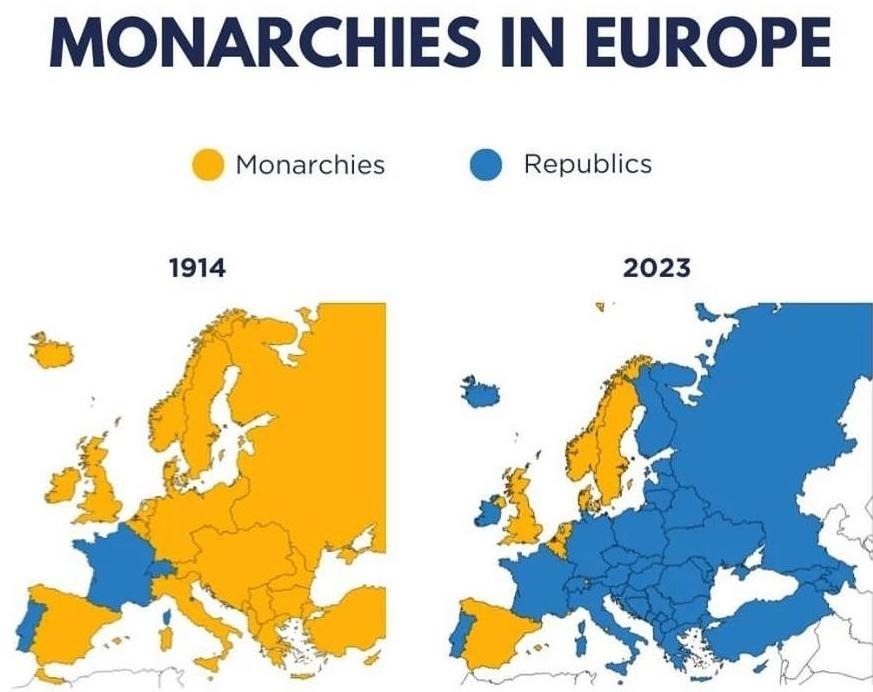
Image source: Map P*rn on Reddit.
Which kingdoms in Europe have monarchs and what are their names?
(in age order)
- Norway – King Harald V (born 1937, reigned since 1991)
- Sweden – King Carl XVI Gustaf (born 1946, reigned since 1973)
- United Kingdom – King Charles III (born 1948, reigned since 2022)
- Belgium – King Philippe (born 1960, reigned since 2013)
- Netherlands – King Willem-Alexander (born 1967, reigned since 2013)
- Spain – King Felipe VI (born 1968, reigned since 2014)
- Denmark – King Frederik X (born 1968, reigned since 2024)
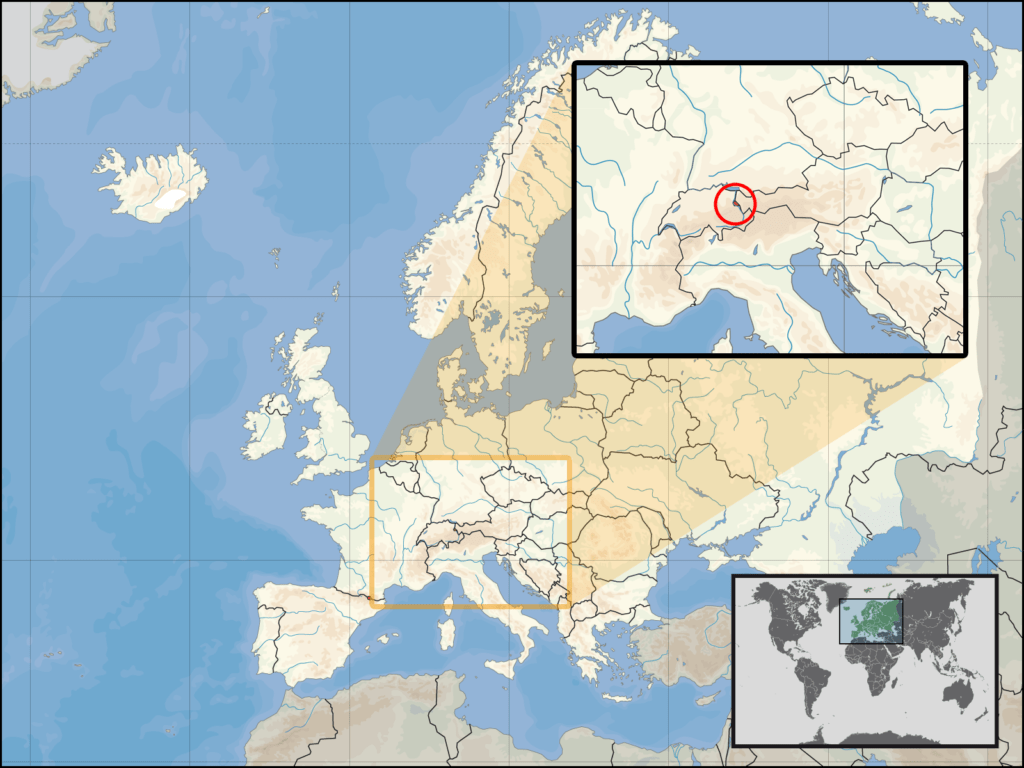
Image source: Wikimedia Commons
Who has a monarch, but no king?
- Monaco – Prince Albert II (born 1958, reigned since 2005)
*Monaco is a sovereign state, not a kingdom, and therefore doesn’t have a King.
- Liechtenstein – Prince Hans-Adam II (born 1945, reigned since 1989)
*Liechtenstein is a principality, not a kingdom, and therefore doesn’t have a King.
- Vatican City – Pope Leo XIV (born 1955, papacy began in 2025)
- Vatican City is the world’s smallest sovereign state, situated in Rome, Italy. It has an elective monarchy led by the Pope, who is also head of the Roman Catholic Church. The Pope is elected by the College of Cardinals in a secret ceremony that takes place in the Sistine Chapel. A two-thirds majority is required to elect a new Pope and he is elected for life.
- Andorra – co-princes – Bishop of Urgell, Josep-Lluís Serrano Pentinat (born 1977 and crowned in 2024) and French President Emmanuel Macron (also born 1977 and crowned in 2017)
*Andorra is a landlocked microstate in the eastern Pyrenees between France and Spain.
The complexity of European monarchies can be seen in the example of Andorra. Once upon a time (circa. 1500) Spain, then known as the Iberian Peninsula, was broken up and ruled by various monarchs. Henry III of Navarre (crowned in 1572) was also crowned Henry IV of France (1589-1610). In 1607, he signed an edict (an official order) stating that the King of France would also be the co-prince of Andorra. This title has passed through the French head of states without much trouble, including all succeeding French kings until Louis XVI, Napoleon (the post-French Revolution emperor of France) and all modern presidents.
Meanwhile, the first count of Urgell was Borrell II between the year 948 until his death in 933. He was believed to have been given the Diocese of Urgell by Holy Roman Emperor Charlemagne, in 988. (A Diocese is the ecclesiastical district under jurisdiction of a bishop.) The union of the co-princes dates back to the year 1278.
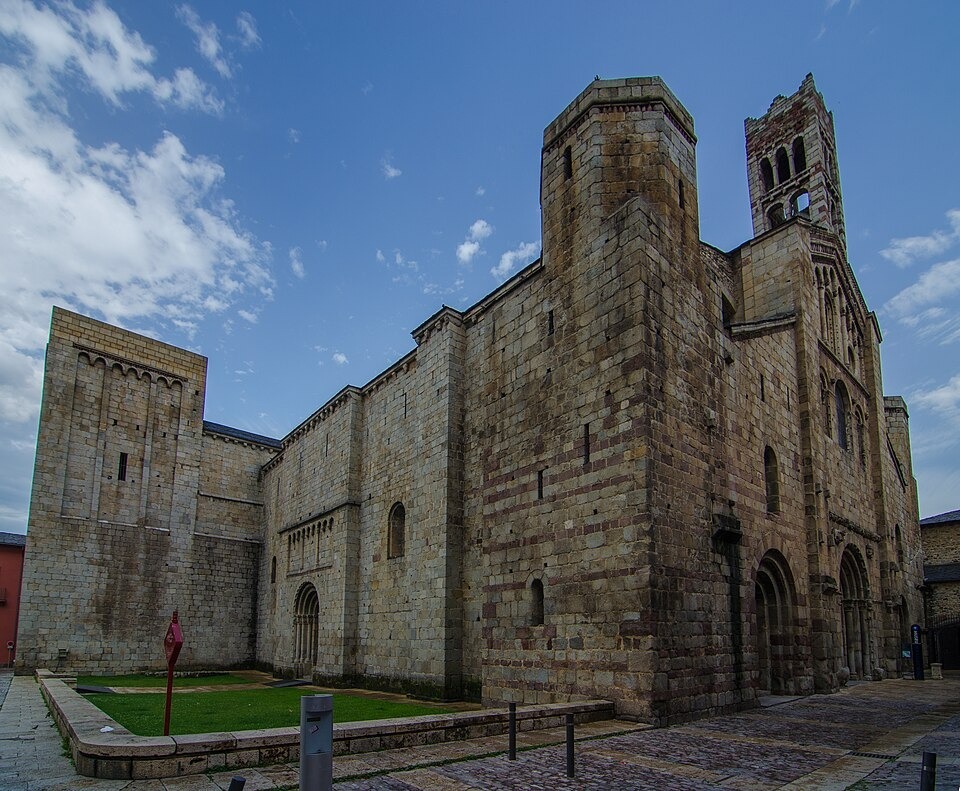
Image source: Wikimedia Commons.
For the benefit of our American readers, I thought that part in particular needed further explaining. To many more, the monarchy seems obsolete. Some argue that they are very distant and out of touch with reality and debates about whether they still have a place in the 21st century are ongoing.
Enough context… What do they do in their free time?
Whatever your personal opinion may be, monarchies of Europe represent the nation, to a certain degree. So let’s have a look into the hobbies of some of Europe’s monarchies. Now you know who they are, let’s find out what they do in their spare time.
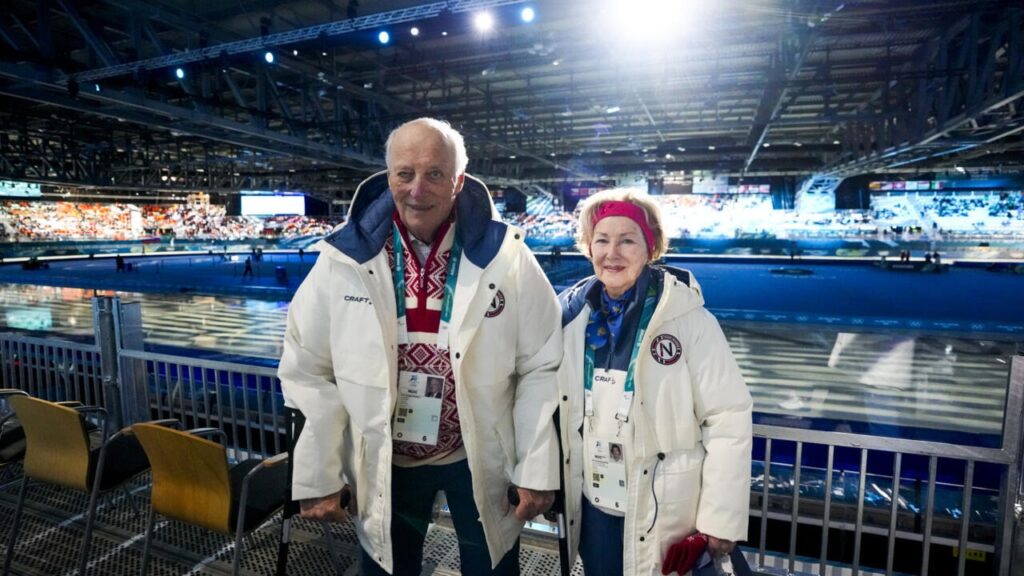
King Harald of Norway
King Harald is known amongst Norwegians for his outdoorsy, down to earth lifestyle. He combines his love for sports and the outdoors with his hobbies, hunting and fishing and is a regular visitor to the country’s salmon rivers. As Prince, he pushed for a Norwegian branch of the WWF (World Wide Fund for Nature) and has served as its president for more than 20 years.
The Norwegian King is equally dedicated to sports. Sailing, in particular, is one of his greatest passions. He has gone as far as to represent Norway in yachting in the Tokyo (1964), Mexico City (1968), and Munich (1972) Olympic Games.
King Carl XVI Gustaf of Sweden
King Carl serves as Honorary Chairman of the World Scout Foundation and has been a member of the scouts since age 9. In fact, attending scout camp was his first royal duty at age 10. He is honorary chairman of the World Scout Foundation. As a result, he has developed a profound love for the outdoors, including hunting, fishing, sailing and skiing.
His scouting past has encouraged his profound love for nature and made him an active participant in environmental conservation. Each year for the past 25 years, he has hosted the Royal Colloquium, a highly scientific and by invite-only meeting that focuses on urgent environmental issues and much needed sustainability measures.
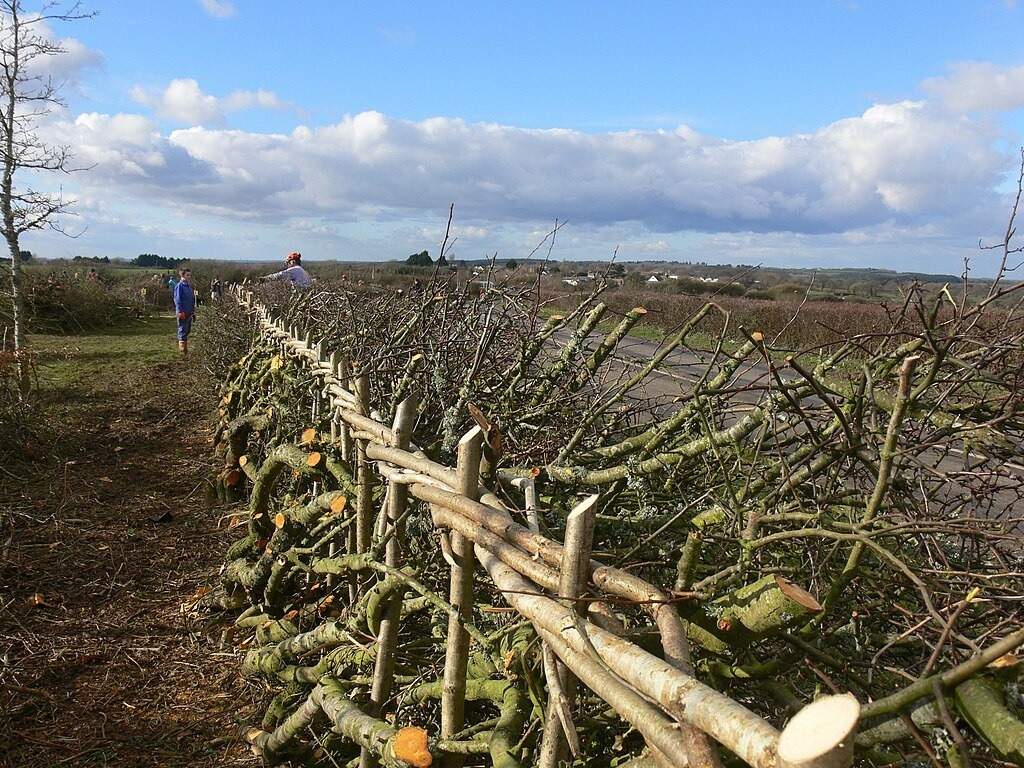
Image source: Wikimedia Commons.
King Charles III of the United Kingdom of Great Britain and Northern Ireland
King Charles is an avid gardener. One hobby in particular is hedgelaying, which he allegedly practices in his estate at Highgrove, in Gloucestershire. This might sound odd and outdated, but hedgelaying is an important historical feature in the English countryside and in agriculture. If laid well, they require little maintenance and support the ecosystem. Living hedges provide a source of food and safe and long-lasting habitat for insects, birds and other small mammals. King Charles has spoken for his love of the craft and admires the varying hedge-laying styles that exist across the country. He is in fact patron of the National Hedge Laying Society since his time as the Prince of Wales.
King Charles has a keen interest in education. Through his charity, The King’s Foundation, a wide variety of courses are offered which emphasise British materials, production and craft techniques. I would urge any British national, from any background, who wishes to explore sustainable practices in farming, agriculture, traditional arts and craft, architecture, health and wellbeing, to look into courses offered by the King’s Foundation.
King Philippe of Belgium
King Phillipe is an amateur painter inspired by modern art and the likes of British painter David Hockney. His educational history includes the military academy where trained to be a pilot in the Belgian army and Trinity College Cambridge; there is no mention of art school. However, his love for art and culture has led to the annual hosting of an exhibition at the Royal Palace of Belgium. The exhibitions, held between July and September each year, celebrate science, art, culture and royal history. The Brussels Times reported 70,000 visitors to the Royal Palace in 2022.

King Willem-Alexander of the Netherlands
King Willem-Alexander is seen as an approachable king with a fun past. Each year on King’s Day (koningsdag), his wild past as the Prince of Pils (Prins Pils) is commemorated. The people say he “really lucked out on a remarkable wife”, Queen Maxima. She is an Argentinian national who learnt Dutch better than most native speakers.
King Willem-Alexander is a dedicated avionist. He earned his private pilot license in 1985, followed by his commercial license in 1987. He logs enough flying hours each year to maintain his pilot license and is rumoured to fly for KLM as much as twice per month. As well as the standard Cityhopper plane, the King has also learnt to fly a Boeing 737. He has been recognised by his voice on the intercom before, and goes by “Meneer van Buren” or “WA van Buren” to passengers or just “Alex” to crew.
King Felipe VI of Spain
If it weren’t for kingship, King Felipe would have liked to be an astrophysicist. His hobbies include gazing into telescopes and he has made multiple visits to the Institute of Astrophysics of the Canary Islands (IAC). Whilst he was still Prince of Asturias, he was named Astrophysicist of Honour. The title is awarded to key figures in modern astrophysics, whose dedication goes beyond the scientific field.
King Frederik X of Denmark
As well as being a bit of a rockstar, the Danish King loves festivals and even attended Burning Man back in 2014 before becoming king. He plays several instruments including piano, guitar and the mouth harp. He’s so much of a Led Zeppelin fan that in 2007, he performed alongside a Danish Led Zeppelin cover band. The performance was such a success that he repeated the act at his 40th birthday celebrations.
**********
Read more about European monarchs here on Dispatches.
Read more from Zoe here on Dispatches.
Co-CEO of Dispatches Europe. A former military reporter, I'm a serial expat who has lived in France, Turkey, Germany and the Netherlands.