A flower-adorned aisle, the iconic wedding cake, the first dance surrounded by friends and family – and, of course, the special couple. Weddings are spectacular, sentimental – and stressful. Both on the day and while planning them. We know they typically take months or even years of preparation, but no one I knew had ever spoken of paperwork being the tricky, tedious part.
Until I moved to Germany in 2017.
I’ve since met many expats who say getting married in Germany as a non-German is highly unappealing – “intense,” to quote one Australian friend – because of the paperwork involved. Harriet, a South African who married her German partner in Copenhagen earlier this year, told me: “After doing some research, we quickly realised that as a non-German I would need certified translations of lots of documents that would take time and cost extra money.”
Weddings, of course, do cost money, but bureaucracy is rarely where couples want to spend their budget. For an expat couple, the legal translations of documents into German required for a German wedding alone can cost more than the Danish alternative – not including Standesamt registration.
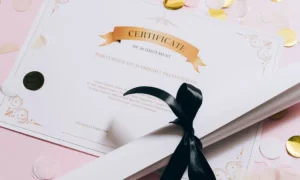
Compare this with around 280 euros, the fee Denmark’s Family Law Agency (Familieretshuset) charges to process applications and deliver a marriage certificate within five working days (if all requirements are met). Another expat living in Hamburg, Gabrielle, told me that when she gets married to her Nepalese fiancé, they expect to pay no more than 400 euros for the legal ceremony in Denmark. This includes witnesses and the legalisation of the document after to ensure their marriage is recognised in different countries.
The demand is in Denmark
When Harriet planned her wedding in the Danish capital, she said: “There were so many websites telling us how simple it was and how quick the process was; everything seemed very clear and hassle-free – and not too expensive either.”
Indeed, a quick Google (or ChatGPT) search shows just how many expats are taking the same route to their “happily ever after.” There are subReddits titled “Getting married in Denmark” and “Considering getting married in Denmark to avoid German bureaucracy – need advice!” full of pros and cons.
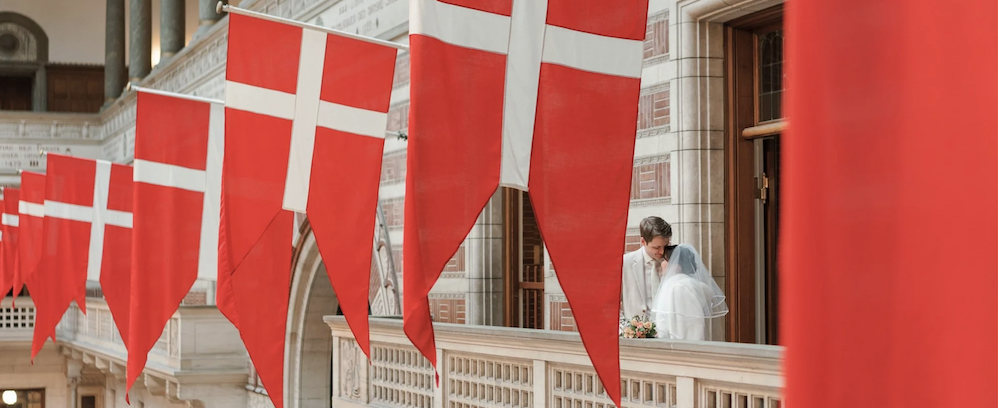
Denmark has even been called the “Las Vegas of Europe,” alluding to the ease of eloping there.
Of course, it’s not as simple as turning up in Copenhagen – there are checklists and risks of delays without the correct paperwork. There are also multiple agencies that guide couples through the Danish process.
A Lebanese–Russian expat living in Germany told me:
We did contact an agency, but if you spend an extra hour online, you’ll have all the info you need. You only need an agency if you’re completely clueless or if your situation is a little more complicated – if you’re living separately, for example.
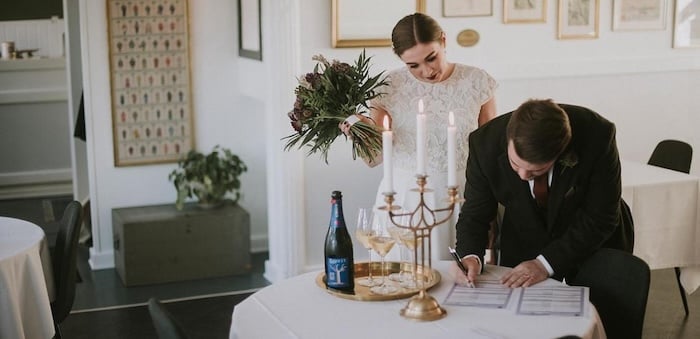
Paperwork required for tying the bureaucratic knot
Why is it so unappealing for couples with at least one non-German partner to marry in Germany rather than Denmark?
Germany requires more paperwork, and all documents from non-Germans must be translated into German (English isn’t sufficient). This can cost hundreds of euros and take months to finalise. For some nationalities including India, Nigeria and Pakistan, documents must also be verified by German embassies or consulates.
According to Visit Denmark, every couple who wishes to get married in Denmark needs a valid passport or national ID card and a signed declaration of truth. Some may also need proof of legal entry, a residence permit or divorce/death certificates if previously married. Unlike in Germany, translated birth certificates or certificates of no impediment aren’t typically required, and the Danish Government accepts documents in Danish, English, German or Nordic languages.
Harriet and her now-husband applied to marry in Copenhagen one day in November 2024. Their application was approved within two weeks, giving them three months to choose a slot. “Choosing a slot was like choosing a dentist appointment,” she told me. “We just needed pictures of every page in both passports and some basic questions about our relationship. If you have a right to visit or be in Denmark, it’s so easy to apply and get approved.”
Gabrielle also explained her experience, that she and her fiancé don’t need birth certificates or certificates of no impediment, adding: “It’s really quite straightforward.” They will, however, need to provide photos of them both together and a short account of how they met.
What to expect on the “big” day
Danish “elopements” are, from what I’ve been told, often small ceremonies of around 10 minutes, sometimes live-streamed for friends and family abroad.
Harriet’s wedding day involved handing in passports in the morning, getting married at noon and celebrating with their own champagne. She called it “very DIY” and “very relaxed” – words I’ve rarely heard a bride use to describe her wedding day.
You might only get a 10-minute slot, but who says that can’t be sentimental and spectacular in its own right?
––––––––––––
Read more about Denmark here in Dispatches’ archives.

Sara Vordermeier
Sara Vordermeier is a Hamburg-based freelance writer and editor specialising in sports, technology and culture stories from her life abroad. Her professional writing experience spans more than seven years in the fields of content marketing, organic search trends and journalism.